
Penarth removals: practical moving guide

Planning a move in Penarth: what to expect

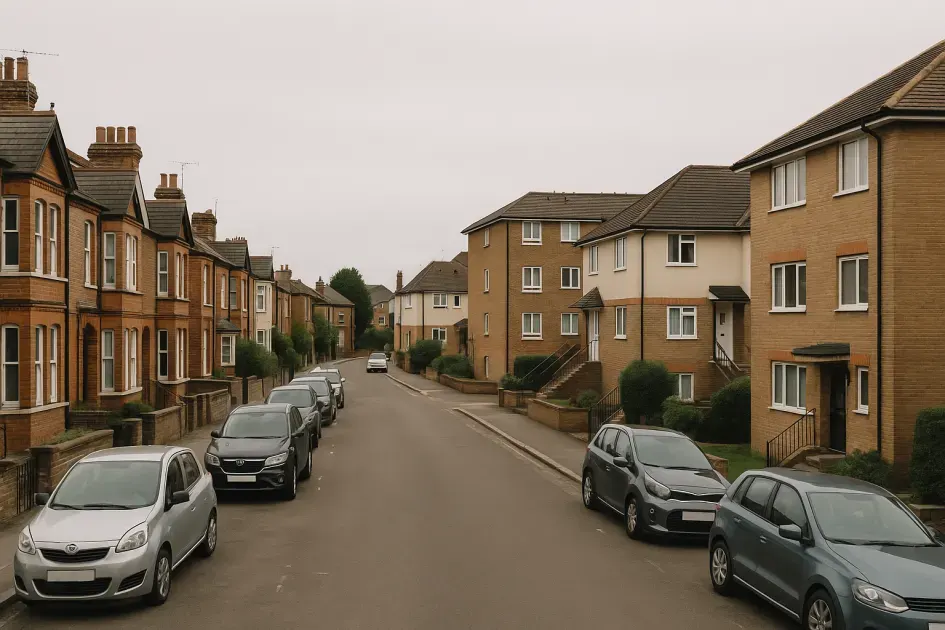
Penarth's housing mix—narrow Victorian and Edwardian terraced houses, mid-century and modern flats, semi-detached family homes and new-build waterside apartments—creates a range of practical challenges. This guide focuses on the physical realities you will face: access, carry distances, parking controls and how these affect time and cost.

When you want the main move page rather than general guidance alone, start with removals in Penarth.

For a broader regional view, see Cardiff area guide.

Property types and their particular constraints

Understand the type of property you are moving from or into so you can plan accurately:

  • Terraced houses (Cliff Road, parts of Paget Place): often narrow frontages, small steps up to front doors, and tight internal staircases. Large furniture may need careful manoeuvring or temporary removal of doors.
  • Flats (town-centre blocks, converted Victorian houses): lifts are inconsistent — many conversions have no lift or a narrow lift. Communal stairwells can be tight, increasing carry times and requiring padded protection for corners and bannisters.
  • Semi-detached homes (areas toward Lower Penarth): better kerbside access and driveways are more common, but some streets still have limited parking and permit controls.
  • New builds and marina apartments (Waterside developments): often have off-street parking or allocated bays, but vehicular access can be via private or gated roads and the property entrance can be set back, creating long trolley carries from parking to door.

Access constraints specific to Penarth

Penarth’s geography and built environment matter. Key access issues include:

You will often need to consider To turn the general guide into a tighter move plan, connect it with moving costs in Penarth and property access challenges in Penarth. at the same time.

  • Narrow residential streets: many streets close to the town centre and conservation areas are narrow, preventing a full-size removals lorry from parking immediately outside. This increases carry distance and time.
  • Controlled parking and permit zones: residential streets often require permits or have timed restrictions. To use a street space for loading you may need a temporary bay suspension from Vale of Glamorgan Council; allow planning time for this.
  • Lifts and staircases: modern apartment blocks by the marina usually have lifts, but converted flats rarely do. Expect to carry heavy items up multiple flights of stairs in many central streets.
  • Seafront and event disruption: moves near Penarth Pier, the Esplanade or Windsor Gardens can be affected by events, promenade crowds and seasonal visitor peaks — all slow down loading and unloading.

Pre-move preparation (what to check and arrange)

Survey access and measure everything

Walk the route a removal team will take: measure doorways, stair widths, lift car dimensions and the distance from legal parking to the property entrance. For terraces with bay windows and tight turns, try manoeuvring a large cardboard box as a test to identify pinch points.

Check local restrictions and events

Contact Vale of Glamorgan Council about temporary loading suspensions and check the Penarth town calendar for events (pier festivals, markets). If your move coincides with a local event, expect longer loading times or the need to relocate the vehicle.

Decide on equipment and manpower

Long carries, flights of stairs and narrow corridors increase required labour. If you’re moving from a terraced house or a conversion flat, plan for extra staff or longer hours; this has a direct cost implication. Consider whether a lift, stair-protecting equipment and larger teams will be necessary.

Booking timeline: realistic milestones for Penarth moves

Penarth’s constrained streets and popular weekend footfall mean timing matters. Use these milestones as a practical baseline:

  • 6–8 weeks before: Start booking for peak-season moves (spring/summer or weekends). Arrange temporary bay suspensions or parking permits if you expect to park on-street.
  • 3–4 weeks before: Confirm lift access windows with apartment management and check whether the new-build development requires site induction or restricted delivery times.
  • 1–2 weeks before: Re-walk carriageways at the times you expect to move (morning vs afternoon) to spot commuter or event-related congestion. Finalise packing and label heavy items that will need two or more movers.
  • 48–72 hours before: Reconfirm parking suspensions, check weather forecasts for exposed seafront moves, and ensure any fragile or moisture-sensitive items (common in seafront homes) are packed appropriately.

Packing considerations specific to Penarth properties

Protect against tight manoeuvres and salt air

Sash windows, ornate skirting boards and tight turns in Victorian properties increase the chance of scuffs. Use robust corner protectors and wrap furniture fully. If moving from a seafront property, metal fittings exposed to salt air can be more fragile — dry and protect metal surfaces and store them away from damp on moving day.

Label boxes by floor and carry distance

Because many Penarth streets require a trolley carry from the vehicle to the door, mark heavy boxes with the floor of destination and whether they need a two-person carry. This saves repeated trips and reduces loading time.

Break down large items where possible

Large wardrobes and bulky sofas are common in family homes along Stanwell Road and Clifton Road. Where possible dismantle items to ease stair and doorway manoeuvres — disassembly often saves time on-site and reduces the risk of damage in constrained halls.

Move-day logistics: minimising delays and extra costs

Arrive early and protect access

Start early to secure legal parking and to avoid town-centre traffic. If you have a suspension permit, display it clearly to prevent enforcement interruptions. On-street enforcement in Penarth is active during daytime hours; fines or clamping will stop work and add delay.

Staged loading and handover points

For flats with long carries from a car park or set-back parking, create a staged handover point inside the building (a lobby or communal corridor) where items can be temporarily placed. This reduces repeated long carries and speeds the operation.

Managing pedestrian and event congestion

If your move is near the pier, promenade or Windsor Gardens, plan for pedestrian flows. Use warning signage and agreed windows for larger items so that teams can move quickly during quieter periods; otherwise expect slower progress and higher labour time.

Area-specific planning tips for Penarth

  • Penarth Marina and Waterside apartments: confirm developer or managing-agent rules for vehicle access and delivery times. A short driveway may exist, but the actual front door can be 30–80 metres from the nearest legal parking, adding to carry time.
  • Town-centre terraces and converted flats: measure stair widths and consider whether furniture will need partial dismantling. Allow extra time for protecting narrow internal features common in conservation areas.
  • Seafront and Pier area moves: avoid weekends and event days if possible. Where unavoidable, plan extra labour hours for manoeuvring around crowds and increased pedestrian-control duties.
  • Parking permits and bay suspensions: contact Vale of Glamorgan Council early. Without a suspension, enforcement officers may interrupt loading, adding unexpected waiting time and cost.
  • Contingency time and cost: add buffer time for every floor of stairs and every 20–30 metres of carry distance. Longer carries and stair work are the main drivers of increased labour time and therefore moving cost in Penarth.

Useful local links and next steps

For more detail on services in the town, see the main Penarth removals page at removals in Penarth. For broader Cardiff-area planning, consult the Cardiff area guide at Cardiff area guide. If you’re concerned about specific layout problems in your property, look at local property-specific challenges at property access challenges in Penarth.

Penarth moves succeed when you account for the town’s narrow streets, conservation-area features, parking controls and seafront activity. Measure access early, allow time for permits, plan for extra carry distance and staircase work, and schedule contingency labour — these practical steps will keep time and cost predictable on moving day.


Common Penarth removals questions

Answers to typical practical questions about moving in Penarth — access, parking, lifts, and timing.

Book as early as possible — ideally 4–8 weeks for busy times. Penarth's restricted street space and local events (seafront festivals, pier activities) mean late bookings often need extra time or alternate loading arrangements.

If you need a removal lorry to block a street space or use a loading bay, arrange a temporary bay suspension or check parking restrictions with Vale of Glamorgan Council. Allow 7–14 working days to secure permits; without one, you risk fines or interrupted loading that add time and cost.

Victorian terraces often have narrow hallways, sash windows and steep staircases; many flats are in conservation streets with narrow pavements. Some modern waterfront flats have lifts but require a trolley carry from set-back parking. Expect longer carry distances and extra manpower where there is no immediate kerb access.

Yes. Seafront locations concentrate visitors and occasional events, and parking near Penarth Pier or the Marina can be limited. Plan for restricted loading times and potential pedestrian congestion, especially weekends, which increases labour hours and therefore cost.

Because each support page isolates a different friction variable. Together they help you plan the move in Penarth more realistically before returning to the main booking path.

Return to the main service page once the logistics are clear and you are ready to progress the actual booking path. Planning pages should support that step, not compete with it.