
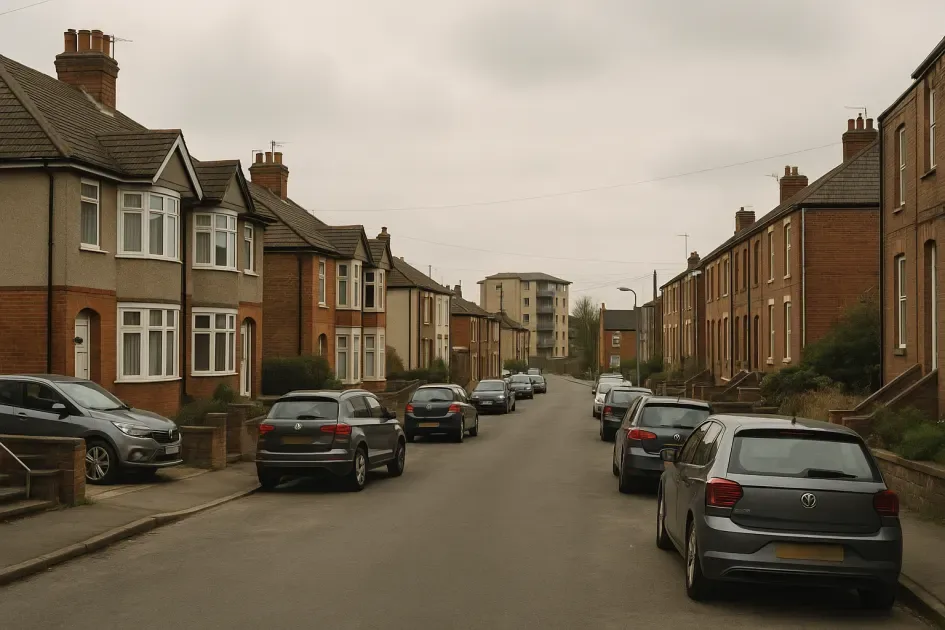
Barry removals: practical moving guide

How to plan and run a move in Barry

This guide walks through practical steps for full house, flat or office moves in Barry — addressing terraced streets, flats above shops, semi‑detached houses and newer developments. Each section explains how local access, parking and the town’s layout affect time, cost and operational planning.

When you want the main move page rather than general guidance alone, start with removals in Barry.

For a broader regional view, see Cardiff area guide.

You will often need to consider To turn the general guide into a tighter move plan, connect it with moving costs in Barry and property access challenges in Barry. at the same time.

1. Pre‑move preparation (what to check in Barry)

  • Property type: Confirm whether you’re in a Victorian terraced house, a flat above a shop in the town centre, a semi‑detached in a residential estate or a new build. Terraced houses commonly have narrow staircases and small frontages; town‑centre flats often lack lift access and have limited loading points.
  • Access survey: Walk the route from nearest legal parking to your front door and note steps, gated alleyways and narrow passes common in older Barry streets. Measure doorways and stair widths for large items — many terraces have narrower landings than suburban homes.
  • Parking and restrictions: Check for permit zones and timed restrictions. Roads close to Barry station, the town centre and Barry Island have controlled parking and visitor pressure, especially at weekends; applying to Vale of Glamorgan Council for a suspended bay can save hours on moving day.

2. Booking timeline — practical calendar for Barry moves

Planning your timeline around local conditions reduces unexpected time and costs.

6–8 weeks before

  • Confirm the move date and get a detailed access assessment specific to your Barry address. If you live near Barry Island or the seafront, avoid bank holiday weekends in summer when visitor numbers spike.
  • If you’ll need a suspended parking bay or temporary road closure, start the application with Vale of Glamorgan Council now — lead times vary and approvals can take weeks.

2–4 weeks before

  • Measure large items against stair and doorway widths in both properties. For flats above shops, check loading access from the rear (service alleys) — front access is often constrained.
  • Book lift times with building management for new builds or blocks with communal lifts; many developments in Barry require moves to be booked outside peak hours.

48–72 hours before

  • Reconfirm parking arrangements and delivery windows. Check local events at Barry Island or town centre markets that might affect roads and parking.
  • Confirm final route maps and contingency parking spots in case primary bays are occupied.

3. Packing considerations — shaped by Barry’s housing stock

  • Flats above shops: Pack to allow small, secure loads that fit through tight corridors and narrow doorways. Disassemble tall wardrobes and book in advance for additional carry time; broken parcels from frequent handling are a risk.
  • Terraced houses: Protect distortions to timber stair treads and walls common in Victorian terraces by using corner protectors and short carry routes where possible. Expect more labour minutes per box; this directly increases cost if moving is charged by the hour.
  • Semi‑detached and new builds: These often allow easier parking close to the entrance, but estate roads can be narrow. Use flatpack and shrink‑wrap for sofas and mattresses to reduce carry time along estate pavements.
  • Coastal considerations: For properties near the seafront, use waterproof covers for upholstery and consider desiccant packs for electronics; damp air can affect packing materials during longer moves.

4. Move‑day logistics — minimise delays in Barry

  • Arrival windows: Aim for an early midweek start. In Barry, weekend traffic and visitor parking (especially around Barry Island) can add 30–90 minutes to loading times compared with a quiet weekday morning.
  • Vehicle positioning: Legal parking as close as possible is essential — every additional 10–20 metres of carry usually adds both time and fatigue to the crew, and increases the risk of damage. Factor this in when estimating total hours.
  • Stairs and lifts: If a lift is present in a new build, confirm usage rules (some blocks require lift protection and set move hours). In terraced properties and town‑centre flats without lifts, expect slower loading rates and schedule extra manpower for heavy items.
  • Contingency plans: Have a plan B for parking — e.g., nearby side street or council car park — and map an alternative route to avoid narrow alleys on the day if access is blocked.

5. Area‑specific planning tips for Barry

  • Avoid summer bank holidays and weekend afternoons when Barry Island and the seafront draw large numbers of visitors; these peak times create both traffic congestion and full parking bays in nearby residential streets.
  • Central Barry and areas around Barry Docks can have daytime parking enforcement; moving outside enforcement hours may lower costs but could delay the operation if parking becomes unavailable.
  • If moving from or to a property near the promenade, check for event days (concerts, festivals) that close lanes or restrict access to loading areas. These are common in seaside towns and can mean last‑minute rerouting.
  • Consider a short-term storage solution within the town if direct access is severely restricted: moving in two phases (larger items first to a nearby secure unit, then smaller items) can reduce street time and suspension permit costs.
  • For detailed local considerations about buildings and tricky properties, see the Barry removals overview at removals in Barry and the wider Cardiff area housing notes at Cardiff area guide. If you expect specific building difficulties, consult the checklist at property access challenges in Barry before finalising dates.

Final checklist for Barry moves

  1. Confirm property type and measure awkward routes (stairs, narrow halls).
  2. Apply early for any temporary parking suspensions with Vale of Glamorgan Council if you need the vehicle close.
  3. Plan for additional labour time in terraces and flats without lifts — this affects both timing and cost.
  4. Schedule the move outside local visitor peaks (weekend afternoons in summer near Barry Island) and outside commuter rush hours near the station.
  5. Map at least two legal parking options and a contingency route to avoid blocked alleys or events.

Using these Barry‑specific checks and timings will make the operational side of your move more predictable — fewer surprises on the day, and clearer expectations for how access and local restrictions affect time and cost.


Barry moving FAQs

Short answers to common practical questions about moving in Barry, with attention to parking, access and timings specific to the town.

If you need a removals vehicle close to your property, apply to Vale of Glamorgan Council early for a suspended parking bay or temporary loading bay. Many residential streets in central Barry and around Barry Docks have permit or restricted bays; without a suspension the crew may need to park further away, increasing carry time and cost.

Much of central Barry includes flats above ground‑floor units and Victorian terraces with narrow, steep staircases. Expect additional labour time for manual carries and more frequent dismantling of furniture. If your flat has no lift, plan for extra padding and stronger packaging to protect walls and items during long stair carries.

Midweek mornings are often best. Weekends, especially summer bank holidays and days when Barry Island is busy, bring extra traffic and limited parking. Avoid peak commuter hours near Barry station and major shopping streets to reduce loading delays.

New builds often have lifts and wider internal doors, which helps. However, estate road layouts can be tight with no verge for a large van and visitor parking only — this may force longer carry distances from the nearest legal parking space, increasing labour and time.

Barry’s coastal location means higher humidity and occasional sea spray in exposed areas like Barry Island and Cold Knap. Protect soft furnishings with waterproof covers and allow extra time for drying if moving wet items. Slippery pavements during wet weather can slow carries, so factor that into the schedule.

Return to the main service page once the logistics are clear and you are ready to progress the actual booking path. Planning pages should support that step, not compete with it.