
How removals conditions vary across Nottingham
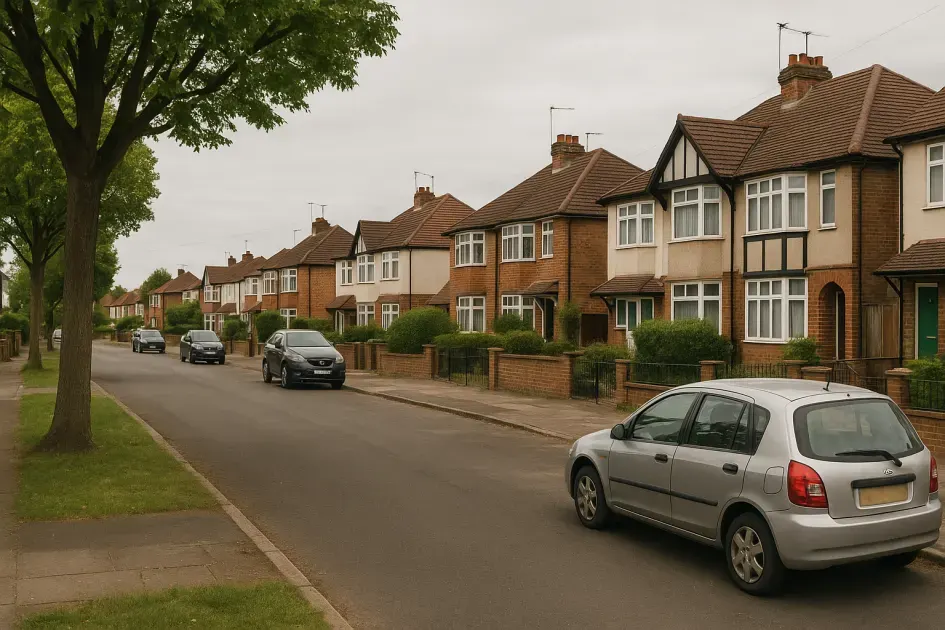
Central streets bring pedestrianised zones, loading windows, and apartment rules; northern and southern residential pockets often add permit parking or long walks from available kerbside space. Property age, stair profiles, and shared access can change equipment choices and crew setup.
Neighbourhood access patterns
City-centre jobs typically hinge on timed loading and lift bookings. On-street suspensions may be needed if a loading bay is unavailable. In residential belts to the north and south, signed resident zones or busy school streets can limit close parking during peak times. Nottingham does not currently have an active clean-air or charge zone affecting standard removals planning, but loading restrictions, timed access, permits, apartment rules, and city-centre traffic controls can still affect routing and timing.
Property and loading differences
Victorian terraces can mean narrow doors and a few external steps, favouring mattress bags, shoulder straps, and door protection. Apartment blocks often require elevator pads and strict move windows. Newer estates may offer driveways and wider doors, reducing carry distance and simplifying large-item handling.
How to plan for different move types
House moves benefit from driveway coordination and early doorway measurements for sofas, appliances, and wardrobes. Flat moves revolve around elevator access, loading bay timing, and protecting lobbies. Office relocations in mixed-use blocks need building manager sign-offs and lift priority to keep downtime low.
City-wide baseline: where time is lost
Delay sources include unreserved parking, unbooked lifts, long carries from distant kerbs, and key-release slippage. Final packing overruns and late disassembly also push loading beyond agreed windows.
Eight local variables that change removals planning
1) Parking controls and bay suspensions
Check if you need a resident permit, visitor pass, or temporary bay suspension. Without it, carry distance and loading time increase sharply.
2) Lift availability and booking windows
Many central blocks require lift reservations, building access forms, and elevator padding. Align arrival time to the booked slot.
3) Carry distance from kerb to door
Measure the walk if parking is not outside the entrance. Trolleys and extra runners can mitigate longer routes.
4) Stair count and stair turns
Steep or twisting stairs slow large items. Plan disassembly and spotters, and stage items to keep flow safe.
5) Door widths and hallway pinch points
Check door clearances and remove obstacles. Protect frames and plan rotations for bulky furniture.
6) Loading windows and building rules
Some sites limit loading to specific hours or require concierge notice. Confirm insurance documents and access instructions.
7) Route constraints and timing
Peak traffic, school streets, and temporary works can affect van approach and turnaround. Build slack into departure and arrival.
8) Item preparation and packing state
Disassembly completed in advance, boxed contents, and labelled rooms reduce handling time and errors at unload.
Practical planning checklist
- Confirm parking permissions or arrange a bay suspension for load/unload points.
- Book any lifts/loading bays and obtain building approvals with required documents.
- Measure key doorways, stair turns, and note any tight access before move day.
- Stage boxed items near the exit; disassemble large furniture the day before.
- Align key handover times with van arrival and elevator windows to avoid idle time.
Scenario examples
Example 1: Central flat on a weekday morning: reserve the lift and loading bay, notify the concierge, and schedule van arrival 15 minutes before the slot for checks.
Example 2: South-side terrace with permit parking: arrange a visitor permit or temporary suspension, set a short carry chain, and protect the front steps and door frame.
Example 3: New-build house with driveway: position the vehicle nose-out for faster turnaround, stage boxes in the hallway, and load large items first to secure them upright.
Apply neighbourhood context
Use these Nottingham resources to add street-level detail to your plan:
- Central Nottingham Moving Guide
- North Nottingham Moving Guide
- South Nottingham Moving Guide
- Central Nottingham property access challenges
- North Nottingham property access challenges
- South Nottingham property access challenges
When you are ready to set dates or check availability, return to the main Nottingham removals page for next steps.