Access and property constraints in Nottingham
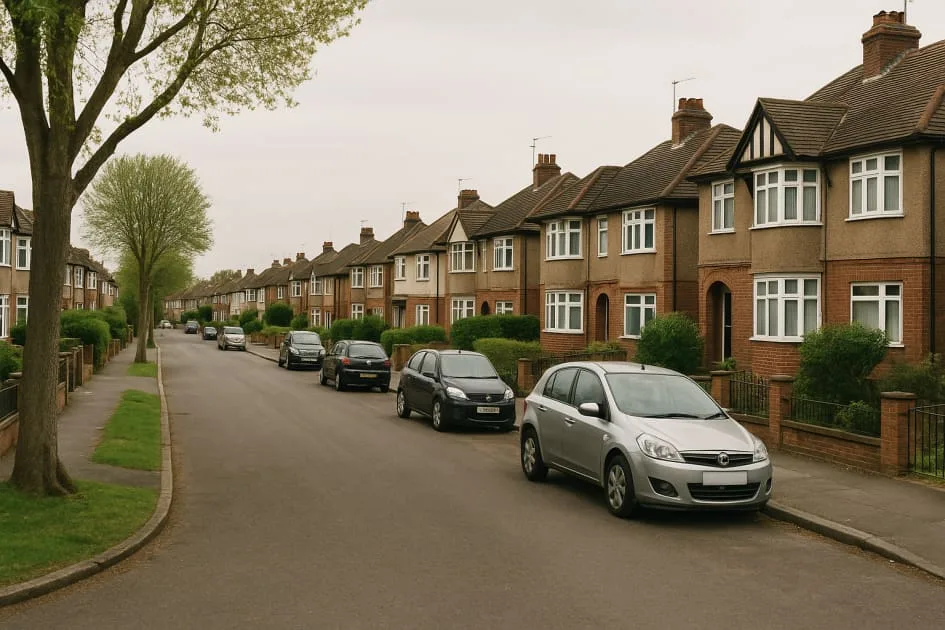
Operational friction comes from three places: the street, the building, and the timing. Narrow streets, permit parking, and controlled loading windows interact with property factors like stairs, lift bookings, and tight frontage access. Align the vehicle choice, crew size, and load sequence with these constraints to prevent overruns.
- Narrow streets and terraces: may limit vehicle size; consider smaller trucks or a short shuttle.
- Permit parking: arrange dispensations or visitor permits to shorten carry distance.
- Controlled loading windows: especially near pedestrianised areas; match arrival to building rules.
- Flats and concierge rules: pre-book service lifts; confirm protection and paperwork.
- Stairs and long carries: add handling time; plan equipment and crew roles accordingly.
Related planning guides: Moving Costs and Nottingham moving timing guide. For wider context, explore the local planning guide.
Street access and loading realities
On terraced or one-way streets, space is often the limiting factor. If a full-size truck cannot stop directly outside, a smaller vehicle can shuttle from a nearby legal bay. Where loading is time-limited, stage goods near the entrance and load in batches to use the window efficiently.
- Check for school streets, bus lanes, and timed restrictions that affect approach routes.
- Pre-identify a secondary legal bay in case your preferred spot is occupied.
- Brief neighbours if temporary obstruction is unavoidable, keeping pavements and exits clear.
Building and property friction
Flats and managed blocks can require confirmed booking references, lift padding, and security sign-in. Stairs and narrow hallways change the load order and the packing approach (e.g., dismantling wardrobes and tables before the crew arrives). Tight frontage access at terraces may need door removal or bannister protection to maintain flow.
- Flats: confirm service-lift size, rules, and any out-of-hours surcharges or limitations.
- Stairs: prioritise heavy items early, with spotters on turns and landings.
- Concierge: pre-clear permits, loading bays, and access keys/fobs to avoid idle time.
- Lift bookings: align the vehicle’s arrival with the lift slot and loading window.
- Tight frontage: clear paths, secure pets, and protect door frames and skirting.
Parking, permits, and managed access
Permit zones and controlled bays are common. Where possible, obtain a temporary dispensation or visitor permit and place clear signage on the day. Some addresses offer shared loading bays with timed rules; verify who controls them (building management or council) and whether cones or notices are allowed.
- Confirm who issues permissions (council vs. building manager) and required lead times.
- Document the vehicle registration and timings for any dispensation forms.
- Use cones or approved markers only where permitted; never block emergency access.