
Property challenges for removals in Central Nottingham

Why Central Nottingham’s buildings and streets shape every removal

Central Nottingham is a compact, mixed-use area made up of dense terraces, converted warehouses, contemporary apartment blocks and a sprinkling of new-build developments. These different property types create very specific challenges during a move: from where a vehicle can legally stop, to whether a sofa will fit through a stairwell or lift. Understanding the local physical layout is essential for accurate time and cost planning.

removals in Central Nottingham is the main booking page for checking availability, pricing and move details in one place.

Terraced housing constraints

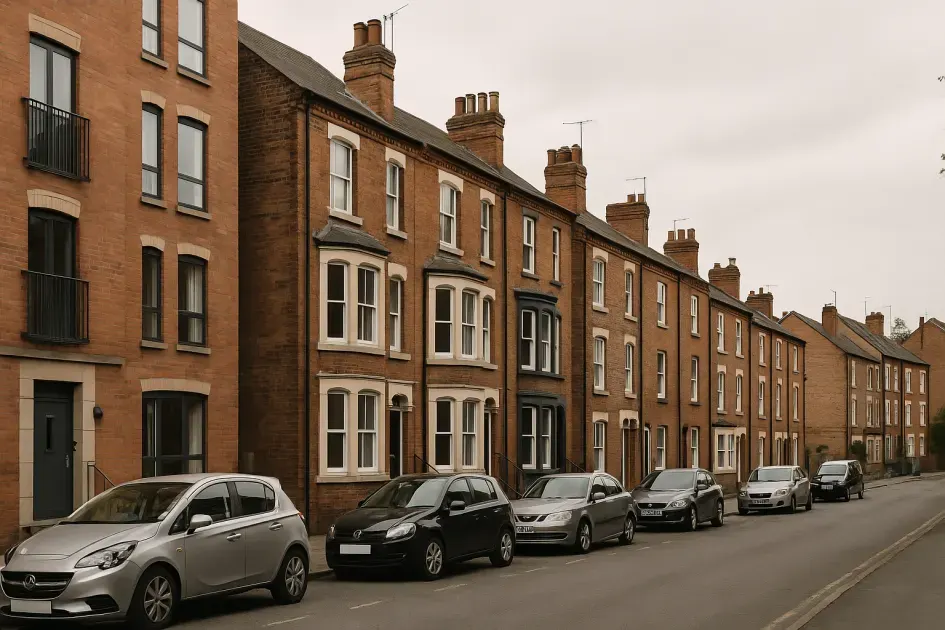
Many central streets contain Victorian and Edwardian terraces that were built for pedestrians, not removal vans. Typical constraints include:

Access issues usually sit alongside other planning points, so this page with moving guide for Central Nottingham and hidden moving costs in Central Nottingham.

For a broader regional view, see access and property guide for Nottingham.

  • Narrow entrances and low thresholds that require removals teams to measure and often dismantle large items on site.
  • No off-street parking, so loading frequently happens from a nearby pay-and-display bay or resident permit space — both of which have time limits and enforcement.
  • Steps and tight internal corridors; even a short carry from a parked vehicle to a front door can double the manpower required and extend loading times by 30–60 minutes.

These frictions convert directly into higher labour costs and a need to plan for bay suspensions or alternative staging points along the street.

Flats and apartment access in the city centre

Central Nottingham features a variety of flat types — converted upper-floor apartments above shops, modern podium blocks and purpose-built city-centre towers — each with distinct access realities:

  • Converted flats often lack lifts or have narrow, steep staircases. Expect more hand carries and furniture dismantling.
  • Modern blocks sometimes provide service lifts but with strict size limits and booking protocols; concierge or building managers usually require a pre-agreed moving slot.
  • Units above commercial premises can mean no direct street access at ground level during market days or delivery hours, forcing moves outside peak retail times.

Practically, moves into flats in Central Nottingham often need advance coordination with building management and can add unplanned waiting time if lift bookings clash with other deliveries.

Narrow roads, pedestrian zones and parking limitations

Several central streets are narrow, cobbled or partially pedestrianised (for example around the Lace Market and parts of the Old Market Square). The implications are:

  • Large removal vehicles may not be able to access the kerb outside the property, forcing longer carry distances from the nearest legal loading bay.
  • Controlled parking zones and short-stay bays mean enforcement is active; a parked van can attract a fine if it blocks a restricted bay.
  • Some streets require temporary bay suspensions or official loading permits; arranging these through Nottingham City Council takes time and budget.

On-street parking realities in Central Nottingham therefore increase both the physical effort for crews and the administrative cost of a move.

Suburban versus dense central layouts

Even within the central area there is variation. Short residential crescents and pocket terraces lead to short carries but tight manoeuvring; more open avenues near riverfront areas allow better van access but are less common. The key operational differences are:

  • Dense pockets: higher chance of long carries, time-restricted loading and stair-only access.
  • More open streets: fewer internal constraints but still subject to city-centre parking rules and peak-hour delivery restrictions.

Planning must reflect which micro-layout the property sits in — two neighbouring streets can have very different loading profiles despite being only a few minutes apart on foot.

New build developments versus older properties

New-build blocks in Central Nottingham often include designed service access: dedicated loading bays, secure service lifts and concierge teams. These features reduce manual handling but bring other considerations:

  • Access control: deliveries may need pre-booking and ID checks, which adds administrative lead time and constrains arrival windows.
  • Tight service yards: even when a bay exists, turning circles can be small, requiring crew to walk items further from where a vehicle can safely park.
  • Noise and site restrictions: new developments frequently have strict times when heavy loading is allowed, so moves can be limited to set hours.

Older buildings trade off those constraints for practical problems such as missing lifts, narrow doors and uneven floors that demand manual techniques and extra time on site.

Real-world implications for time, cost and planning

In Central Nottingham the physical realities listed above translate into measurable operational effects:

  • Carry distance increases: every additional 10–20 metres of carry often requires extra crew or an extra 30–60 minutes on the job, depending on stairs and cobbles.
  • Loading time windows: shared lifts, concierge slots and loading bay suspensions require booking ahead; last-minute moves risk delays or penalty charges.
  • Administrative costs: permit applications, bay suspensions and potential parking fines should be budgeted into the move cost.
  • Disassembly and reassembly: narrow staircases and doorways commonly necessitate on-site dismantling of furniture, which increases both labour time and the risk of needing specialist tools or parts.

Estimating a move in Central Nottingham therefore requires assessing the exact address for parking rules, lift dimensions and stair access rather than relying on generic central-area assumptions. For a detailed view of access types and how they affect logistics, see the city-wide guidance at access and property guide for Nottingham and the local removals overview at removals in Central Nottingham. For practical on-the-day considerations specific to Central Nottingham flats and houses, consult moving guide for Central Nottingham.


Frequently asked questions about Central Nottingham property challenges

Short answers to common removal constraints in Central Nottingham, including permits, stairs, parking suspensions and timing considerations.

Many streets in Central Nottingham are within controlled zones or have short-term loading bays only. For long loading periods — for example when moving from a terraced house with no driveway — a temporary bay suspension through Nottingham City Council is often required. Expect to allow several days for an application and to pay a fee; without one, enforcement officers may issue fines that add directly to moving costs.

Converted Victorian terraces and warehouse conversions in Lace Market and Hockley typically have narrow, winding staircases and tight landings. These constraints increase carry time, often adding 30–90 minutes extra per crew for flight-by-flight hand carries and furniture disassembly. That longer labour time usually translates to higher hourly charges and a need for additional manpower to keep the schedule on track.

Many city-centre apartments sit above commercial units, have limited service lifts or goods lifts with restrictive dimensions, and require building-manager booking windows. If a lift is too small, removals teams must measure items in advance and plan disassembly; if lifts are shared, moving is usually restricted to non-peak hours, extending total loading time and sometimes requiring booking slots several days ahead.

Yes. Streets around the Lace Market and parts of the Old Market Square area include pedestrianised sections, cobbled lanes and narrow one-way streets that prevent a large removal lorry from parking directly outside. This forces longer carry distances from legal loading bays, increasing physical effort, time on-site and potentially requiring additional crew or smaller shuttle vehicles for short carries.

New-build apartment blocks often have concierge-controlled access, secure gated service yards and purpose-built service lifts, which can speed loading when booked. However, tight service yards and 24/7 noise restrictions mean vehicles may have to park in designated bays or off-site, increasing carry distance. Older buildings trade off simpler external access for internal friction: no lifts, narrow doors and uneven floor levels that require more manual handling.

Yes. Lofts, garages and secondary storage areas spread the inventory across more space, which lengthens the loading phase even when the property looks manageable from the front door.