
Hidden costs to budget for when moving in South Nottingham

Hidden costs that commonly appear on South Nottingham moves

Moves in South Nottingham carry predictable but often overlooked operational costs because of the area's mix of terraced streets, semi‑detached suburbs, riverside flats and recent new‑build estates. Below are the local access and planning frictions that add time and money to a removal — each point explains the practical cause and the real impact on time, cost and planning.

Use removals in South Nottingham first for the core service page when you want the clearest route from cost checks to booking.

1. Waiting time charges: congestion and event delays

Crews bill for waiting from the moment they are prevented from loading or unloading. In South Nottingham that commonly happens because of commuter rush hours and match or event days at riverside venues. The A453 and Clifton Bridge corridors funnel southbound traffic at peak times; delays there can turn a morning slot into a multi‑hour job. The operational effect: a single vehicle delayed by an hour often means overtime for the crew, a later finish for subsequent bookings, or a rebooked slot — each outcome increases the final cost.

For the wider picture across the area, refer to moving costs in Nottingham.

In practice, this usually connects with To spot where extra costs usually appear before booking, look at moving costs in South Nottingham and property access challenges in South Nottingham as well..

2. Parking fines and permit requirements across multiple councils

South Nottingham is served by different local authorities, so parking rules change within a few streets. West Bridgford sits in Rushcliffe where resident permit zones and pay‑and‑display bays are common; other southern suburbs fall under Nottingham City Council controls. If loading bays are suspended or parking bays are resident‑only, arriving crews may be issued fines or forced to park further away. The practical implications are twofold: immediate penalty costs and extra labour/time to carry goods from a legal parking spot to the property. Planning note: arranging a temporary loading bay or checking the local council’s rules before moving day can avoid both penalties and unexpected labour charges.

3. Long carry distances from street to door

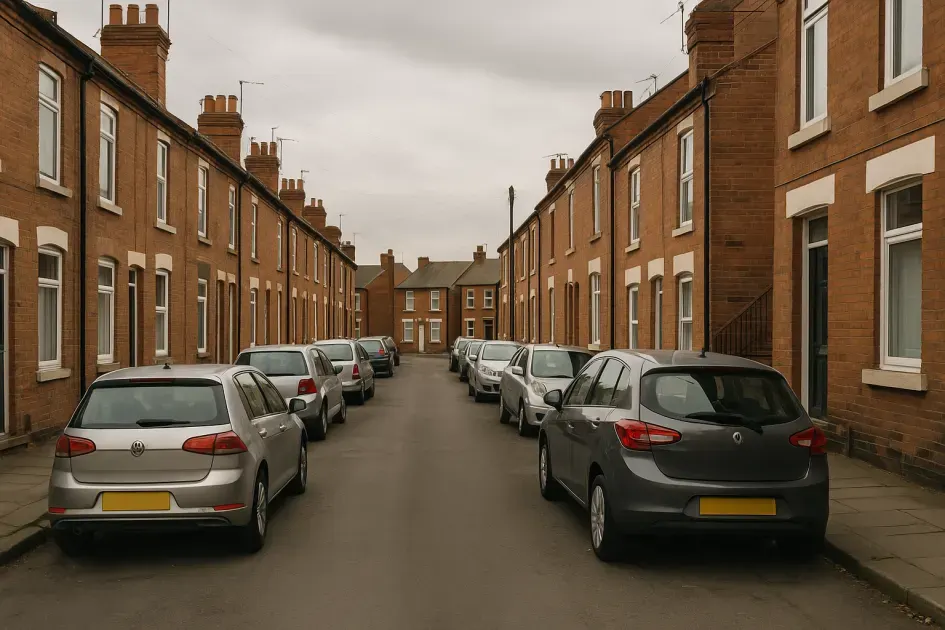
Many older terraces and riverside flats in South Nottingham have narrow roads or restricted kerb space that prevent a large removal vehicle from stopping close to the property. New‑build cul‑de‑sacs may have weight or turning restrictions that force parking on a nearby arterial road. The real‑world consequence is extra carry time: each metre between vehicle and front door multiplies the time per item, increases crew fatigue, and often leads to additional labour line items on the invoice.

4. Extra labour for stairs, narrow internal access and item manoeuvring

Terraced houses and older flats commonly feature tight stairwells and awkward internal corridors. These require more crew members, breaks between heavy lifts, and sometimes dismantling of furniture on site. Large items that cannot be manoeuvred safely require specialist handling or temporary removal of doors/ramps, all of which add time and cost. New‑build apartments sometimes have lifts, but these can be booked by residents or be too small for larger items, pushing crews into longer manual carries up stairs.

5. Traffic, restricted streets and loading hour limitations

Some streets in South Nottingham operate loading restrictions during the day (high street trading hours) or are narrowed by parked cars. Busy shopping streets in West Bridgford and approaches around the river can have time‑of‑day prohibitions that force removals into narrower windows. When crews arrive outside allowed loading hours, they must wait, split their day into multiple visits, or seek alternative parking — all of which increase both labour and vehicle time on the job.

6. Rebooking and overrun risks driven by local events and infrastructure work

Roadworks, bridge maintenance and scheduled events are routine in a riverside city fringe like South Nottingham. A planned road closure on a feeder road can require a last‑minute route change and add miles and hours to a move. If a job overruns because of these factors, subsequent bookings are affected: crews may need to return on another day (rebooking) or work overtime, producing additional charges for a homeowner or business.

How these local costs affect your move: time, money and planning

Operationally, each of the above factors converts into one or more of the following measurable impacts: longer total crew hours, extra crew members, protective packing and dismantling time, parking penalty fees, and potential rebooking. For example, a terraced house with no legal roadside stopping for a removal vehicle may require an extra hour of labour for repeated hand‑carries; an unexpected event on match day can force a later start and an extra crew‑hour of overtime. These are realistic, frequent outcomes in South Nottingham — not theoretical risks.

Practical local steps to reduce hidden costs

To avoid the most common premiums specific to this area, check the local parking controls for your street and note whether your property lies in Rushcliffe or Nottingham City; confirm event schedules at riverside venues on your target date; and inspect access routes for width and loading restrictions. More detailed guidance on how removals are priced can be found at moving costs in Nottingham, and for locality‑level planning see the parent page removals in South Nottingham. If your postcode sits in a recent development or tight cul‑de‑sac, also check moving costs in South Nottingham for notes about new‑build access constraints.

Addressing permit, parking and access details early is the most reliable way to prevent last‑minute charges driven by South Nottingham’s streetscape and event calendar.


South Nottingham hidden-costs — FAQs

Short answers to common questions about parking, permits, carry distances, waiting charges and rebooking risks that are specific to South Nottingham.

Possibly. South Nottingham spans multiple authorities (Rushcliffe for West Bridgford, Nottingham City and nearby boroughs), so parking controls vary street by street. High streets and terraces in West Bridgford often have resident permit zones and limited loading bays; Clifton and some inner-city streets are controlled by Nottingham City. If a removal vehicle cannot legally stop outside your property, crews must park further away and carry items, or you’ll need a temporary bay/permit arranged in advance to avoid fines and extra carry-time.

Trent Bridge cricket fixtures and other events on the riverside or in West Bridgford cause road closures, spectator parking and suspended loading bays. Crews delayed by event traffic or diverted routes add waiting and labour time; in practice this can push a planned three‑hour operation into a half‑day, increasing costs and the risk of rebooking if the crew hits a toll of overtime.

Many South Nottingham terraces, riverside flats and cul‑de‑sac new builds have narrow street parking or restricted access. When the vehicle must stop 30–100 metres from the front door, removals teams charge extra labour for extended carry distances and the additional time per item. Long carries also increase the likelihood of requiring more staff or protective kit, both of which add to the final bill.

Yes. Victorian terraces and older flats above shops common in parts of South Nottingham frequently lack lifts and have narrow staircases. Each flight increases labour time and risk; bulky items may need dismantling or specialist handling. Expect stair carries to be billed as additional labour units rather than included in a flat hourly estimate.

Removal teams start charging waiting time or overtime once scheduled windows are missed or exceeded. Local traffic choke points — for example the A453/Clifton Bridge approaches at peak times and congested routes into West Bridgford — can delay crews. If delays push a job beyond working windows, rebooking or additional crew-hours are common, and these show up as extra costs on the final invoice.

Because the crew spends more time walking, repositioning and waiting. In South Nottingham, where factors such as limited on-street stopping and off-street driveway loading common on outer suburban roads in edwalton, gamston, parts of clifton are common, a weak stopping position becomes a tax paid in minutes.