
Practical moving plan for Central Nottingham
Central Nottingham combines medieval street patterns, modern tram corridors and a mix of property types. This guide gives a step-by-step plan for full-house, flat or office moves that reflects the real logistical constraints you'll face in the city centre.
Property types and immediate implications
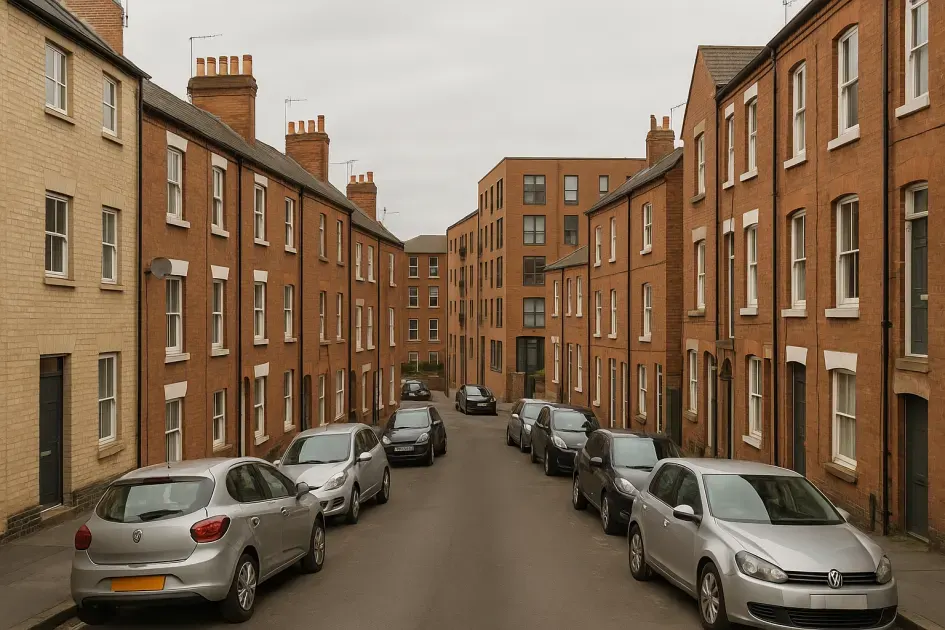
Central Nottingham properties include terraced houses with street-level front doors, converted Victorian flats with narrow staircases and small passenger lifts, semi-detached houses on inner-city avenues, and recent new-build blocks with estate-managed access and undercroft parking. Each type brings different operational friction:
Use removals in Central Nottingham first for the core service page when you want the clearest next step from general guidance to booking.
For a parent-area overview, use Nottingham area guide.
In practice, this usually connects with This overview works best when read alongside moving costs in Central Nottingham and property access challenges in Central Nottingham..
- Terraced houses: frequent double-yellow/permit parking restrictions outside; direct curbside access is possible but often time-limited.
- Flats in conversions: long carries up narrow stairwells, awkward corner manoeuvres and lifts that can’t fit large items — expect extra labour and disassembly needs.
- Semi-detached inner-city homes: usually better door widths but still constrained by resident parking zones and short front gardens that limit safe placement of trolleys.
- New builds: controlled estate rules, strict moving times and requirements for proof of insurance or booking with on-site management; large items may need prior approval for lift usage.
Pre-move preparation (location-specific)
Central Nottingham requires more advance checks than a typical suburban move because of council restrictions, tram corridors, pedestrianised zones and management companies in newer developments.
- Measure doorways, stair widths and lift cabins in the property and record exact carry distances (door to vehicle and lift to door). Narrow historic staircases and small lift cars are common — write down centimetre dimensions, not impressions.
- Check whether your street is in a residents'parking zone or has timed loading restrictions. Many central streets only allow loading at specific hours or require a paid temporary suspension — plan for several working days of lead time to secure these.
- Contact building management for flats or new-builds to learn about move windows, corridor protection requirements and any insurance documentation they require for external crews.
- Identify alternative staging points: nearby loading bays, short-term parking at city-centre car parks, or pedestrianised edges where a short carry is unavoidable.
Booking timeline — realistic scheduling for Central Nottingham
Work backwards from your move date with these location-driven milestones:
- 8–12 weeks before (high season) / 6–8 weeks otherwise: reserve a removal company and confirm the vehicle size needed given door/lift limits. Central Nottingham's peak periods (student turnover and event dates) fill quickly.
- 2–4 weeks before: apply for any required temporary bay suspensions or parking permits from Nottingham City Council — typical processing takes several working days and councillors can be strict about placement and duration.
- 1–2 weeks before: confirm with building management for access times, lift bookings and corridor protection. For new-builds and managed estates this often needs written confirmation.
- 3–7 days before: finalise packing plan and a move-day timetable that avoids tram rush hours and peak bus traffic in the city centre.
Packing considerations tailored to central-city moves
Packing choices directly reduce carry time and risk in Central Nottingham where long stair carries and narrow doors multiply handling time.
- Break down large items: sofas, wardrobes and mattresses often require disassembly to fit through narrow Georgian doorways or small lift cabins common in converted city flats.
- Use small, dense boxes for heavy items to minimise strain during long stair carries. Each step on a Victorian staircase increases time and fatigue.
- Label boxes by destination room and indicate which items must stay with you for final access (keys, paperwork) — frequent short walks between parked staging points and the property make organised loads essential.
- Protect floors and lifts: expect building managers to require matting or protection, especially in newer blocks. Bring or arrange for protection materials in advance to avoid delays on the day.
Move-day logistics with Central Nottingham specifics
Move days in the city centre are a choreography of timing, access control and staged carries.
- Start early (before 08:00 where possible) to avoid peak tram and bus flows in Nottingham city centre and to make the most of any morning loading windows.
- If a temporary bay suspension is in place, ensure paperwork is displayed as required. Without visible authorisation crews may be moved on by traffic wardens, adding significant delay.
- Plan staged loading: if direct curbside access is impossible, establish a nearest legal parking spot or multi-storey car park to act as a drop-off point. Factor an extra 5–15 minutes of carry time per trip when computing labour needs.
- Coordinate with building staff: for flats, have the concierge or manager present at the agreed time to open secure doors, confirm lift bookings and check protection. Delays in access often cascade into extra hours billed on-site.
- Account for tram routes and bus lanes when choosing vehicle approach paths; some central corridors have restrictions on turns and stopping that can force longer vehicle routes or additional manual handling.
Area-specific planning tips and real-world implications
Central Nottingham’s mix of medieval layout, modern transport infrastructure and managed estates affects time, cost and operational choices:
- Expect longer labour times for conversions in Lace Market and Hockley where cobbles and tight corners slow trolleys and require careful manoeuvring — this commonly increases billed hours compared with a suburban move.
- Student accommodation areas and short-term lets near the universities create high demand during summer; removal slots and temporary bay permits are scarce then, which can raise prices and delay dates.
- New-build complexes may require advance lift reservations and specific moving windows — failing to secure these can mean rescheduling or paying extra for out-of-hours access, directly inflating cost.
- When curbside parking is impossible, plan for a realistic additional carry distance. Each extra 10 metres of carry typically adds notable time per load and increases the chance of weather damage unless items are protected en route.
Final checklist and local links
- Measure doors, lifts and stair widths; record carry distances.
- Apply for any temporary bay suspensions or loading permits from Nottingham City Council several days in advance.
- Confirm building management rules for corridor/lift protection in flats and new builds.
- Plan for early morning starts to avoid tram and bus peak flows.
- Identify nearby staging points (short-term loading bays or multi-storey car parks) and build extra carry time into the schedule.
For more on the local area and how street layouts and transport affect moves across Nottingham, see the wider area notes at Nottingham area guide. For detailed challenges specific to certain properties in the centre, review property access challenges in Central Nottingham or the main Central Nottingham removals page at removals in Central Nottingham.