
South Nottingham moving guide

Step-by-step moving guide for South Nottingham

1. Pre-move preparation — survey the real access on site

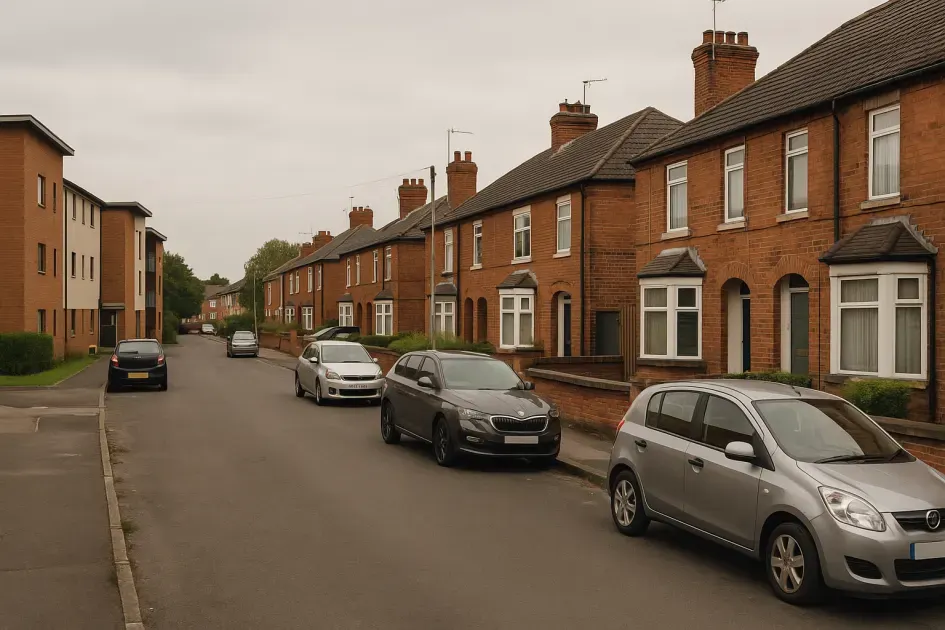
South Nottingham presents a mix of property types: long Victorian terraced streets within walking distance of the city centre, purpose-built flats and converted apartments, semi-detached suburban homes and pockets of recent new-build estates. Before committing to a date, walk the route from the nearest legal parking to the front door and record physical details that affect handling: pavement width, number of steps, any low-hanging canopies, and whether the building has a secure or concierge entry.

Use removal service in South Nottingham first for the core service page when you want the clearest next step from general guidance to booking.

For terraces, note if the property sits behind a short flight of stairs or inset entrance—many terraces here have narrow landings that slow furniture manoeuvres. For flats, confirm whether there is a lift, its internal dimensions and whether it is a service lift (some new-builds restrict goods use to specific hours). For semi-detached houses and new builds, check whether driveways are shared or gated; shared drives often require management consent for moving vehicles.

In practice, this usually connects with This overview works best when read alongside moving costs in South Nottingham and property access challenges in South Nottingham..

For a parent-area overview, use Nottingham area guide.

2. Booking timeline — realistic lead times for the south side of the city

In South Nottingham, weekends and month-ends are in high demand. Practical lead times to factor in: reserve a removal team and vehicle 4–6 weeks in advance. If your move requires a temporary parking suspension on a resident-controlled street or a commercial loading bay, allow an additional 7–21 days to apply and receive approval from the relevant authority or block management.

New-build blocks and gated estates often require separate access permits or pre-booked slots for service lifts; contact the development management at least 2–3 weeks ahead. If moving during university term (areas bordering student zones), confirm dates early because local availability tightens and unloading can take significantly longer.

3. Packing and pre-assembly — reduce carry time

Packing choices have outsized consequences in South Nottingham because of the mix of narrow terraces and flats. Use flat-packed packing and smaller, clearly labelled boxes where you expect long carries across pavement or through staircases. For heavy items intended for flats without lifts, plan to disassemble beds, wardrobes and sofas in advance: narrow Victorian staircases are common and will often force a diagonal lift approach that takes time.

For properties on new estates with communal corridors or carpets, use protective overshoes and corridor runners and check building rules about taping or fixing protection. In riverside or southern suburbs where rain is frequent, waterproof packaging for soft furnishings prevents weather-related delays and extra drying time post-move.

4. Move-day logistics — minimise operational friction

On the day, confirm an arrival window and the exact curbside location for the vehicle. Many south Nottingham streets are narrow or have double-parked traffic at peak times; if the removal vehicle cannot park close it increases carry distances by 15–30 metres per load, which multiplies labour time. If a temporary suspension wasn’t secured, expect officers to enforce parking restrictions—ticketing and towing risks create delays and extra costs.

For flats with service lifts, arrive at the booked time. Buildings commonly restrict bulky deliveries to specific hours to avoid disrupting residents; missing that window means manual stair carries. Plan for extra crew-hours where there are stairs, tight landings or multiple short carries across uneven paving or communal areas.

If moving an office within south Nottingham, check for loading restrictions on streets with morning commuter flows; a daytime loading bay on a quieter road may require coordination with neighbouring businesses to avoid blocked access.

5. Area-specific planning tips

- Terraced streets close to the city centre: expect permit parking, narrow pavements and steep steps. Reserve extra labour time for manoeuvring and potential furniture disassembly.

- Converted flats and Victorian apartments: measure stair turns and door widths and plan for longer carry times—this often adds 30–60 minutes per flight when furniture needs guiding around tight landings.

- Semi-detached suburban properties: check whether driveways are private or have dropped kerbs; parking immediately outside can usually be arranged but confirm if it crosses a neighbour’s access.

- New-build developments and gated estates: book building management for lift times, vehicle access and any security passes. Many developments have compactor rooms, concierge policies or underground parking that limit vehicle turnaround space and require pre-arranged loading windows.

6. Real-world implications for time, cost and planning

Every access constraint in South Nottingham translates to measurable impacts: an extra 20 metres of carry per trip raises labour time and therefore cost; applying for parking suspensions or lift bookings introduces administrative lead-time; missed windows or enforcement on busy streets cause delay charges. Budget extra crew-hours for moves involving narrow terraces or inaccessible flats and build contingency time into the schedule for traffic on major southern approaches during peak travel times.

7. Useful next steps and links

Before finalising a moving date, re-walk the route and measure key dimensions, contact any building management for access rules, and allow the lead times noted above for parking suspensions and lift bookings. For a neighbourhood overview and broader logistical context across the city, see the Nottingham area guide at Nottingham area guide. For a deeper look at property-specific constraints in South Nottingham, consult property access challenges in South Nottingham and the local area page at removal service in South Nottingham.


Frequently asked questions about moving in South Nottingham

Short answers to common, location-specific questions about removals in South Nottingham, including parking permits, access on terraced streets, lifts in new developments and realistic timings.

Book main removal logistics at least 4–6 weeks ahead for reliable slotting on busy streets; allow an extra 1–3 weeks if you need a temporary parking suspension from Nottingham City Council or permission from a building manager for service lift use in a new-build block.

Many south Nottingham terraces and near-riverside roads operate resident parking zones or narrow kerbside loading. If the moving vehicle needs to stop opposite a house or on a busy junction, arrange a temporary suspension or permit—failure to do so can mean extra carry distance and ticketing that add time and cost.

Inspect staircase width, landing turns and door clearances in advance. South Nottingham has many converted Victorian terraces where staircases are narrow and steep; that increases carry time and may require disassembly of large furniture or specialist equipment, impacting labour hours.

Yes. New-build estates in South Nottingham often have gated access, underground parking or service lifts with booking windows. You’ll need to confirm booking procedures with site management and allow time for vehicle access into restricted courtyards, which can affect the loading schedule.

Main approaches to the south of the city (commuter routes and bridges) are busiest during morning and evening peaks. Scheduling loading outside rush-hours reduces drive time and the risk of delays that increase crew hours.

Return to the main service page once the logistics are clear and you are ready to progress the actual booking path. Planning pages should support that step, not compete with it.