
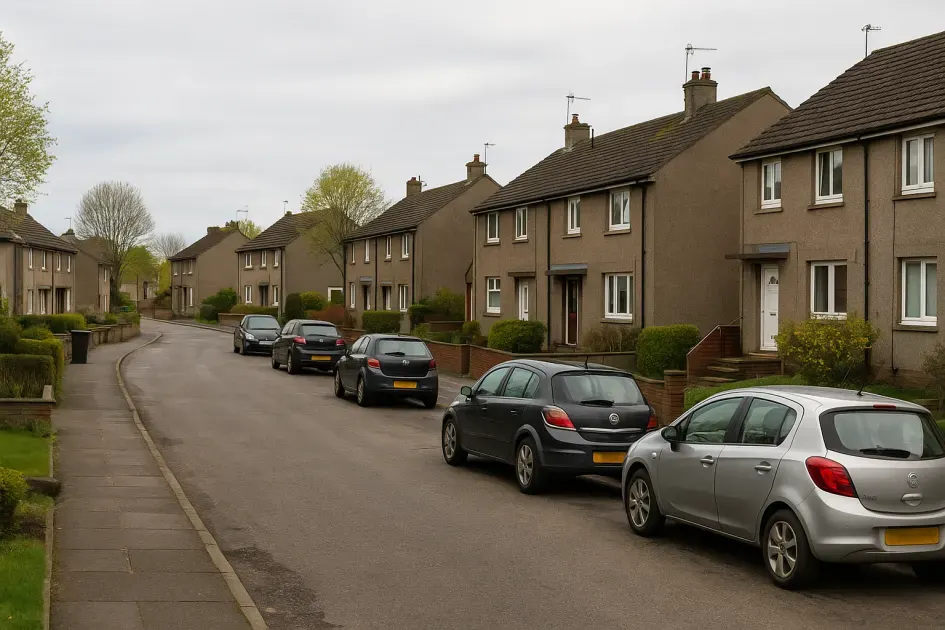
When it’s easiest to move in Dyce
Dyce is a suburb with mixed residential streets, an airport, and nearby industrial estates. The easiest moves are those timed to avoid local commuter and freight peaks, and when the property’s access reduces carry distances.
When timing is settled and you need the main booking page, start with removal service in Dyce.
For a broader regional view, see Aberdeen moving timing guide.
Best days and times
- Early weekday mornings (Monday–Thursday, 07:00–09:30): quieter on the A96 and local roads before airport and industrial traffic peaks. Parking in residential streets is typically easier at this time.
- Late mornings mid-week for semi‑detached homes with drives: direct driveway access shortens loading time and avoids the need for bay suspensions or long carries.
- Off‑peak months such as late spring and early autumn (outside school holidays): demand from tenants and families is lower, so larger vehicles and lift bookings are easier to secure.
Why these times work in Dyce (location-specific reasoning)
Aberdeen Airport and the Dyce industrial estate create concentrated vehicle flows around shift changes and early flight peaks. Moving before those windows reduces congestion at key junctions (the A96 approaches and Dyce roundabout) and lowers the chance of being delayed by heavy goods vehicles or passenger traffic.
For a more practical planning sequence, use this page alongside Aberdeen removals area guide and packing advice for moving in Dyce.
When it’s hardest to move in Dyce
Certain days, months and weather conditions make moves in Dyce slower and more expensive because of local traffic, parking controls and access limits.
High-demand days and periods
- End-of-month: the final working days of each month are busiest due to tenancy turnovers and contract start/finish dates—expect limited vehicle availability and longer waiting times.
- School holidays and peak summer (July–August): family moves spike and Saturday demand is high, creating competition for parking and crew time.
- Friday afternoons and early Saturday mornings in August: peak rental handovers and family moves coincide with leisure travel, increasing local congestion.
Local access and operational friction that worsen at busy times
Terraced streets in the village core have narrow carriageways and heavy on‑street parking at busy hours—loading vehicles may be forced to park metres away. That extra carry distance translates into longer loading times and more staff on site. Busy periods multiply these effects because crews are under time pressure and waiting for parking or lift access increases hourly operational cost.
Property type considerations — how they change the when to move
Terraced homes
Narrow pavements and limited kerb space are common in older Dyce terraces. Moves here benefit from early weekday slots when on‑street parking is freer; otherwise expect longer carry distances and the need for additional protective equipment for stair carries, both of which add time and cost.
Flats (older and new-build)
High-rise or mid-terrace flats often have small service lifts or only stair access. New-build blocks near the airport sometimes have strict delivery hours and bin store access. Booking lift time with building managers—and avoiding busy building hours—reduces idle time. When lifts are too small, extra labour and more trips between van and flat increase charges.
Semi‑detached houses and homes with drives
Properties with private driveways or off‑street parking allow direct loading, cutting carry distance and overall move duration. Aim for a morning mid-week slot to take advantage of clearer roads and minimal disruption from airport and industrial traffic.
New builds in estate pockets
Estate roads in new developments can be narrow and sometimes gated. Estate management rules may restrict large vehicle access to certain hours — plan these moves at quieter times of the day and allow time for any access approvals to be granted in advance.
Traffic patterns and practical consequences
Dyce’s traffic profile affects journey time and on‑street parking:
- A96 corridor: frequent commuter and freight traffic — avoid peak morning and evening rush hours for long-distance haulage delays.
- Airport peaks: early-morning check‑in and late-afternoon arrivals bring additional traffic on local approaches; these windows can add unpredictable delays to van arrival and departure.
- Industrial estate deliveries: concentrated during shift changes—these can block service roads and loading areas if your move coincides with them.
Operational implication: longer travel and waiting times increase total hours charged for the job and may require booking larger time windows than in quieter suburbs.
Seasonal and weather effects specific to Dyce
North‑east Scotland weather is a real factor:
- Autumn/winter: strong coastal winds and heavy rain increase handling time, require extra protective covering for furniture and slow stair carries. Icy conditions add safety checks and may require de‑icing time for paths and van ramps.
- Spring/summer: longer daylight and drier days reduce hazards and enable longer working windows, but July–August increases demand from families moving during school holidays.
- Fog and low visibility near the airport happen occasionally; these can delay arrivals and departures or force rescheduling for safety reasons.
Real‑world planning note: allow extra time for loading in bad weather (typically 20–50% more handling time depending on conditions) and check forecast windows when booking.
Practical planning checklist for Dyce moves
- Pick early weekday slots where possible to avoid A96 and airport peaks.
- Factor in extra carry time for terraces and upper‑floor flats; if parking will be away from the property, add at least 30–90 minutes per 20–40 metres of carry distance.
- Contact building managers for lift bookings in flats or time restrictions in new‑build estates well in advance.
- Allow contingency for end‑of‑month or school‑holiday delays; these windows often require earlier booking and larger time windows.
- Plan winter moves with additional time for de‑icing, wrapping and safe ramp use to avoid on‑the‑day delays.
For more on local access and the broader timing of moves across Aberdeen, see the Dyce removals overview at removal service in Dyce and the citywide moving timing guide at Aberdeen moving timing guide. If you need help estimating carry times and packing timelines for specific property types, consult the packing guidance for Dyce flats and houses at packing advice for moving in Dyce.