Packing advice tailored to Dyce moves
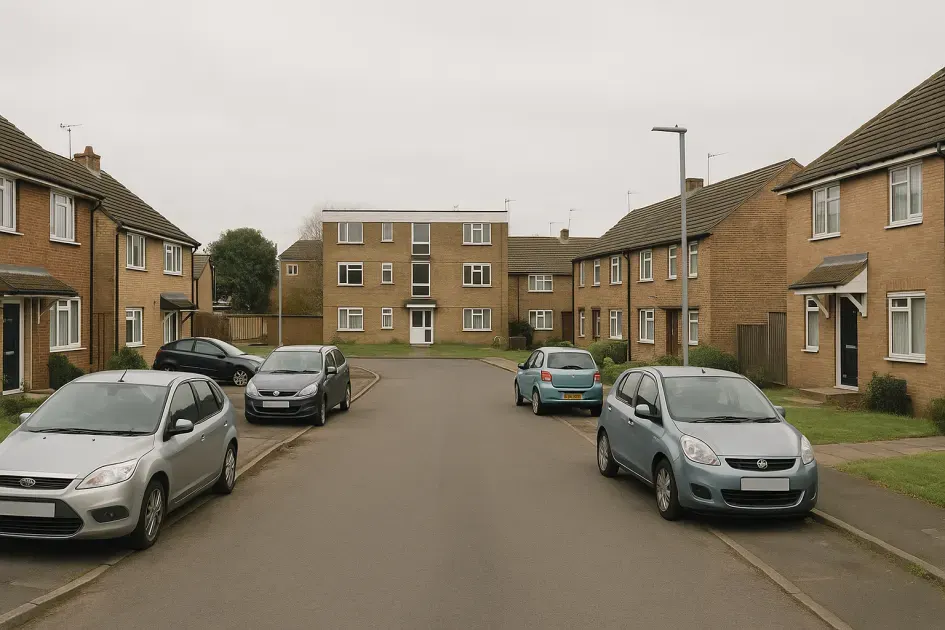
Dyce mixes village streets, modern housing estates and industrial zones. That variety changes how you pack: older terraces and cottages often have narrow, steep stairs and tight doorways; new builds around Dyce Drive give wider interior space but can force longer outdoor carries because of cul-de-sacs and parking layouts; offices near Dyce Industrial Estate may have roller shutters but limited internal lift access. Each of these realities affects time on the job, the amount of protective material needed and the choice of boxes and disassembly strategy. See the broader context at removals in Dyce and consult timing guidance at Aberdeen moving timing guide.
Consider the property type before you start packing
Terraced houses in Dyce village: expect narrow hallways, low door frames and stone staircases. Choose slimmer, stronger boxes and plan disassembly for beds, wardrobes and oversized appliances.
removals in Dyce is the main booking page for checking availability, pricing and move details in one place, while Aberdeen moving timing guide gives the wider regional context.
Flats and maisonettes: confirm lift dimensions early — some blocks near the station and older conversions have lifts too small for sofas or large cabinets. If there is no lift, weight distribution and box size become critical to avoid overloading stairs and slowing the move.
For the next planning step, this issue with Aberdeen moving timing guide and Aberdeen removals area guide so the booking page can stay focused on the actual move rather than duplicate planning detail.
Semi-detached homes: usually roomier inside but may sit on streets with limited kerbside space. Prepare for medium-distance carries with protective cover for wet weather.
New builds and estates: internal moving is often easier, but the van may need to park on a neighbouring road because of cul-de-sac turning circles or estate parking — label and protect goods for longer outdoor carries.
Packing for stairs and flats in Dyce
Measure doorways, stair widths and lift car sizes in advance. For Dyce flats in older buildings, do not assume a sofa will fit — disassemble backs/legs when possible and pack fixed pieces separately. Mark boxes with the destination flat number and floor level; if a lift is present, add its maximum dimensions to the label so items can be checked before moving.
Practical steps: use uniform, small-to-medium boxes for stair carries so individual boxes remain light enough for two-person carries; place frequently needed items (kettle, chargers, bedding) in one clearly labelled 'essentials — flat'box kept near the front door to avoid unnecessary trips up and down stairs.
Protecting items for longer carry distances
In Dyce, longer carries commonly happen because of on-street restrictions near the station, the airport approach roads, or estate layouts. For these situations:
- Use waterproof wrapping and shrink-wrap: sudden coastal showers and wind-driven rain are common in Aberdeen, so weather-proofing prevents moisture damage during long external carries.
- Double-box fragile items and add movement fill—glass and ceramics should be cushioned with layered packing and stored in a single 'fragile — long carry'zone to reduce rehandling.
- Protect furniture legs and corners with hard corner protectors and blankets — gravel drives and narrow pavements around Dyce Industrial Estate can scuff or chip finishes.
Efficient labelling and loading for Dyce access constraints
Clear labelling cuts loading time, which directly reduces labour charges when teams are delayed by parking or carry distance. Use large, colour-coded labels showing: room, floor, access notes ("lift narrow", "20 steps"), and "fragile" where needed. Place duplicates on at least two faces of each box so labels are visible while carrying down corridors or across yards common to Dyce estates.
Loading order matters: for long carries, stage items destined for distant doors last on the van so they can be unloaded first without double-handling. For terraces with narrow access, load items that require disassembly or reassembly in clearly marked groups so technicians can work at the property without searching the van.
Preparing for tight access and awkward loading positions
Dyce’s older residential streets and industrial zones create several awkward scenarios: vans may not be able to turn into a cul-de-sac, parking bays can be a 30–60m carry away, and roller-shuttered units often require tail-lift or pallet-truck handling. To plan effectively:
- Survey the approach the day before: note where the van can safely park and whether a parking permit or temporary loading bay is needed. Local restrictions around the station and busy junctions near the A947/A96 can change access plans quickly.
- Pre-pack an 'access kit'— moving blankets, straps, and corner protectors — to protect items carried across rough ground or narrow paths between parked vehicle and doorway.
- Mark heavy items that require mechanical aids (pallet truck, tail-lift) and record their approximate weights so the loading plan on moving day minimises risk and saves time.
Real-world implications for time, cost and planning
In Dyce, expect the following to influence your move:
- Carry distance: every additional 10–20m of external carry adds handling time and can require additional manpower. Longer carries also increase the amount of protective material used.
- Stairs and small lifts: steep or narrow staircases slow the process and may require more carriers or disassembly work, increasing labour hours on the job sheet.
- Parking and permits: arranging a loading bay or permit can take time but reduces carry distance; failing to plan for permit needs can lead to meter fines or delays at peak times.
- Weather and protection: Dyce’s coastal weather means waterproof packing and extra wrapping are prudent—this increases material costs but lowers the risk of damage claims and rework time.
Day-before checklist
- Confirm lift dimensions and stair counts for flats; mark boxes accordingly.
- Measure large furniture and note which pieces require disassembly.
- Plan parking: identify the closest legal stopping point and whether you need a temporary loading bay permit.
- Prepare weatherproof covers and double-box fragile items intended for long outdoor carries.
- Label boxes with room, floor and an access note to speed handling and reduce loading errors.
For specific timing considerations and to pick a move date that minimises access problems in Dyce, see when to move in Dyce and the wider Aberdeen moving timing guide.