How moving conditions vary across Bath
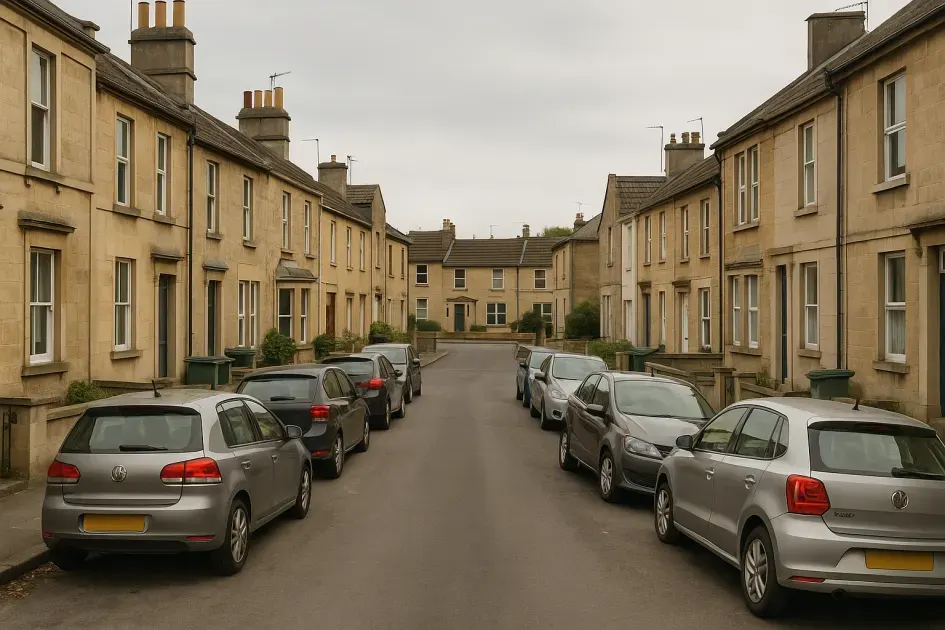
Bath combines central Georgian terraces, steep residential roads, apartment schemes near the river and quieter suburban pockets with easier parking. In the centre, residents’ bays, tight corners and one-way streets can force a van to stop further from the entrance. On hillside roads, steep approaches and stepped entrances slow heavy carries. By contrast, semis and detached homes in outer areas often have driveways or wider kerb space, which keeps loading more direct. Loading time usually outweighs driving time, especially when the origin or destination is a flat above street level or a terrace on a busy road.
Neighbourhood access patterns
Controlled Parking Zones near central Bath make timing important because the best bay is not always available when the van arrives. Bus gates and one-way systems can also turn a simple approach into a longer loop, which matters when a timed bay or lift slot is waiting at the other end. In dense streets near schools, cafés or local shops, parked cars and delivery vehicles reduce working space and can turn a short carry into repeated shuttles from around the corner. Newer riverside blocks may have designated loading points, but those often come with concierge sign-ins, lift reservations or strict dwell times. A lower-friction local example is man and van services in Chippenham.
Property and loading differences
Property type changes the job more than many people expect. A one-bed flat with two flights of stairs can take longer than a larger semi with a clear driveway. Bath terraces and townhouses often mean narrow hallways, split levels and awkward furniture turns. Basement flats bring extra steps, while upper-floor apartments depend on lift access and corridor length. Converted buildings can be especially slow because the route from room to van may include narrow landings, shared entrances or timed front-door access. If you’re planning a move, this is what usually matters most: how far the items need to travel from the room to the van, and whether that route stays clear all day. The pricing effect is explained in how these conditions affect moving costs. A tighter-access contrast appears in man and van services in Frome.
How to choose the right planning approach
Begin with the harder address, not the longer drive. If one property has permit parking, a booked lift, steep steps or limited bay space, plan the whole day around that point. Confirm visitor permits early, clear driveways before arrival, and check whether a larger van can actually position where it needs to. On narrow roads or busy terraces, a slightly smaller vehicle can sometimes save more time than a larger van that cannot stop close enough to work efficiently. Where apartments are involved, match arrival to the lift or loading slot rather than hoping the building will be flexible.
City-wide baseline: time drives outcomes
Bath’s mix of terraces, flats, townhouses, semis and managed apartment buildings means moving time changes sharply from one neighbourhood to the next. Parking availability affects the kerb-to-door distance. Housing density affects how much working space is available. Building access affects how quickly furniture and boxes can move without pauses. The overall result is consistent: the easiest moves are usually the ones with the shortest, simplest carrying route at both ends.
Eight variables that change moving time locally
1) How permit parking delays loading
Permit streets can leave a van a short walk away rather than outside the front door. That difference looks minor until every box, chair and appliance has to cover the same extra stretch. Securing the right permit or timing the load for a quieter bay window keeps the carry shorter and the crew moving steadily.
2) Why terrace streets limit van positioning
On older terrace roads, parked cars on both sides often leave just enough width for passing traffic. A van may need to stop off-line, reverse into position or work from the end of the row. That adds walking time and interrupts the loading rhythm, especially with bulkier items.
3) How building layout alters carrying distance
The route inside the property matters as much as the route outside it. Split-level homes, tight hallways, cellar stairs and long apartment corridors all add turns, pauses and more careful handling. Even when a lift is available, the distance from the flat door to the lift and from the lift to the van still adds up over dozens of trips.
4) Why managed buildings introduce booking rules
Apartment blocks often control the move through lift reservations, loading-bay windows and sign-in rules. Miss a slot and the whole pace changes. The most efficient moves usually stage everything near the exit before the booked window starts, so the crew can make full use of it.
5) How street width affects van access
Bath has plenty of streets where turning a larger van is slower than the drive itself. Tight crescents, mews lanes and parked-up hills can all force careful manoeuvring or a fallback stop nearby. When access is marginal, vehicle choice becomes part of the timing plan.
6) Why route predictability changes travel time
One-way systems, bus gates and visitor traffic create uneven approach times across the day. When the arrival is less predictable, booked bays and lift windows become harder to hit cleanly. Checking the route at the same time of day in advance often highlights delays that the map alone will not show.
7) How loading bay rules affect unloading speed
Timed bays reward preparation and punish hesitation. If items are not ready at the entrance, the crew loses valuable minutes before the unloading even starts. Pre-staging heavy furniture and keeping the route clear helps the team finish within the slot instead of re-parking halfway through.
8) Why neighbourhood traffic patterns delay moves
Short congestion spikes near schools, central shopping streets and visitor routes often matter more than all-day traffic. They close up parking options just when a van needs to arrive, which can turn a workable stop into a long carry from the next legal space.
Practical planning checklist
- If permit parking restricts kerb access, arrange a visitor permit or timed loading slot to keep the van within a short carry.
- If building rules require lift or bay booking, confirm a window and align arrival so staging completes before the slot opens.
- If road width is tight, choose a van that can position without repeated manoeuvres and pre-plan the approach direction.
- If traffic peaks threaten arrival, start outside school-run and commuter times to protect bay availability and slot timing.
- If the kerb-to-door carry is long, pre-stage items near the exit and use dollies and straps to speed each shuttle.
Scenario examples
Example 1: Studio flat to suburban semi using a small van with one mover. Driveway access and level entry allow short carries and steady cycles, keeping loading brisk with minimal repositioning.
Example 2: One-bedroom flat to terrace using a medium van with two movers. Permit parking places the van on an adjacent street, creating a longer carry that slows each shuttle and extends total handling.
Example 3: Two-bedroom terrace to maisonette using a medium van with two movers. Narrow terrace street limits van positioning and stairs add handling time, requiring careful sequencing and more lift-and-carry cycles.
Example 4: Three-bedroom semi to central apartment using a long wheelbase van with three movers. Lift booking and school-run congestion tighten timing; missed windows risk waits, so arrival is shifted earlier to maintain flow.
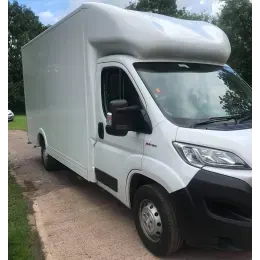
Example 5: Four-bedroom townhouse to managed block using a Luton van with four movers. Controlled bays, a long kerb-to-door carry and staircase handling combine to slow throughput, requiring staging teams and strict bay-time sequencing.
Apply neighbourhood context
Different parts of Bath create distinct planning conditions, from central permit streets and terraces to suburban roads with driveways and easier stopping. The guides below explain the practical moving considerations for each neighbourhood. These neighbourhood differences make the most sense in the wider context of Bath man and van services.
We provide man and van services across the wider area, including man and van services in Devizes, with bookings managed through a centralised platform using verified local operators.