What matters operationally
The most useful route plan is the one that gets the van to a legal, workable stopping point at the right moment. In Bath, that means thinking beyond the drive itself. The approach can be affected by one-way loops, central restrictions, tourist traffic and school-run congestion, while the stop itself depends on permits, timed bays and whether the vehicle can fit the street. A route is only efficient if it also produces a workable unload. Most lost time comes from repositioning, waiting or carrying further than expected once the van has arrived.
How to plan around restrictions
Start by confirming the legal stopping options at both addresses. Then check whether the vehicle size suits the road, whether a booked bay or lift is involved, and whether the arrival time clashes with local traffic peaks. For central flats and managed buildings, keep a fallback stopping point in mind in case the main bay is occupied. Where access is marginal, planning a smaller van or a short shuttle can be more efficient than forcing a larger vehicle into a poor position. Those access constraints feed directly into how moving costs are shaped by access and time. A practical local example is man and van services in Frome. Similar route constraints also appear in man and van services in Trowbridge.
Eight route-planning variables in Bath
Traffic timing patterns
Commuter peaks and busy central periods slow approaches into the city and over key corridors. Leaving outside those windows keeps the vehicle moving and protects booked loading times.
Central access constraints
Pedestrian-priority streets, bus gates and one-way systems reduce the number of workable approaches. The best route is often the one that keeps the final stop simple, even if it is not the shortest on the map.
Kerbside loading conditions
Timed loading bays, resident zones and tight kerb space create short working windows. If the crew arrives unprepared, those minutes disappear quickly. Pre-staging items and knowing the exact stop point makes the bay far more usable.
Building access limitations
Lift bookings, concierge-controlled entrances and stair-only layouts all slow the handoff from van to property. The route plan needs to match the building plan, otherwise the crew reaches the address but still cannot work efficiently.
Route predictability and delays
Roadworks, bridge pressure and temporary traffic controls can turn a reliable approach into a slow loop. Keeping a second viable approach and a standby parking point reduces the chance of idle crew time.
Vehicle suitability and access
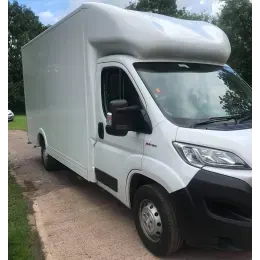
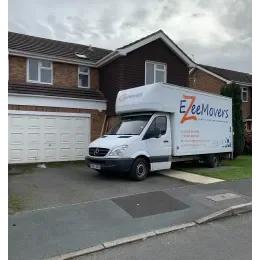
A long-wheelbase van may reduce trips, but not if it cannot turn cleanly or stop close enough to the property. In Bath, vehicle choice often needs to follow street geometry rather than volume alone.
Parking and permit constraints
Permit-only streets and private bays can disrupt the day if they are treated as an afterthought. Confirming permits, visitor access or backup legal parking beforehand is one of the simplest ways to protect the schedule.
How clean-air or charge-zone rules affect moves in Bath
\nIn Bath, ULEZ and other access restrictions can affect route planning, access, timing, and vehicle choice on moving day.
No active clean-air or charge zone currently applies in Bath. Operationally, the main constraints are central access, timed bays, street geometry and building rules; plan routes, vehicles and loading windows around these to maintain schedule reliability.
Practical route-planning examples
Example 1: City-centre flat with a timed loading bay: crew arrives before the window opens, stages items at the door, then cycles loads quickly while a spotter manages the bay.
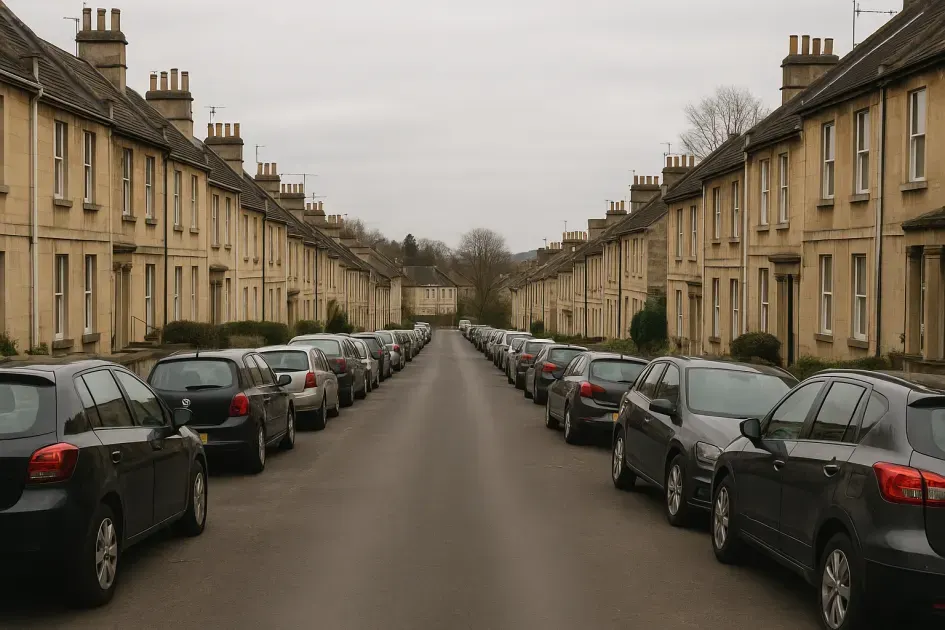
Example 2: Terrace house on a narrow street: long-wheelbase van waits on a wider road; a smaller shuttle van handles the last stretch to avoid blocking and keeps the main vehicle productive.
Example 3: Managed apartment with lift booking: lift reserved for a short slot, heavy items loaded first, lobby lead coordinates with security to prevent queuing and mid-slot delays.
Example 4: Permit-controlled destination near the centre: visitor permits secured in advance; if bays are taken, the crew uses a pre-identified standby bay and a team carry to maintain pace.
Example 5: Event day near central routes: approach re-timed earlier, cross-city routing avoids known pinch points, and the vehicle is positioned for a single continuous load without re-parking.
Practical route-planning checklist
- One-way loops and bus gates → Preload a legal approach and an exit route to avoid last-minute detours.
- Timed loading bays → Match arrival to the window, stage items, and post a spotter to keep dwell within limits.
- Permit-only streets → Secure a visitor permit or plan a legal standby bay with a short carry.
- Stairs or shared lifts → Reserve lift time if possible, prioritise heavy items, and assign a lobby controller.
- Event or school-run traffic → Shift arrival outside peaks and set a fallback approach if the primary route clogs.
Apply neighbourhood context
Street width, parking rules and peak travel patterns shift across nearby towns, so the best route plan always reflects the exact addresses rather than the postcode alone. This helps you avoid the common mistake of planning the drive but not the stop.
We provide man and van services across the wider area, including man and van services in Devizes, with bookings managed through a centralised platform using verified local operators.