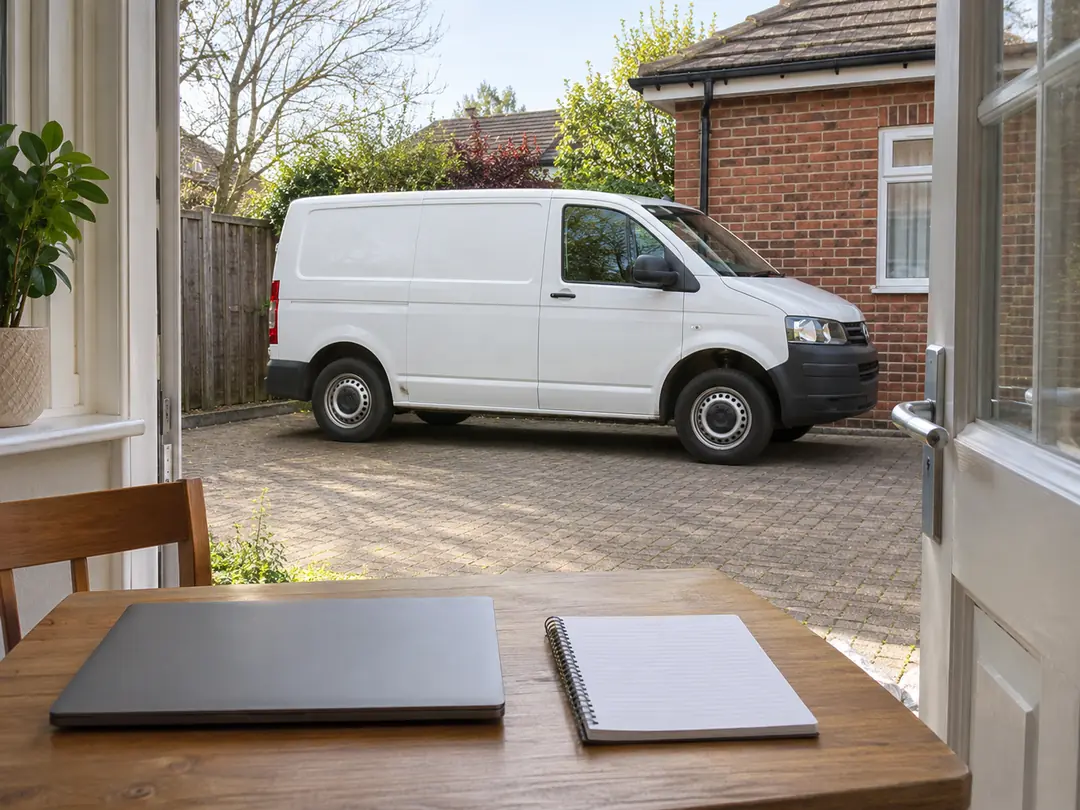
An emissions check and a road-charge check answer different questions. A van can meet an emissions standard and still use a tolled crossing. Another scheme may prohibit a non-compliant vehicle rather than offer a daily charge that makes entry acceptable.
Make the checks for the vehicle allocated to the move, across the whole intended route. A customer’s own car result, a generic van description or a previous journey’s receipt does not establish the position for this booking.
Put every address and crossing on the plan
Give the provider the collection, delivery and any agreed extra stops, including the entrances used for loading. Identify the planned route and any proposed bridge, tunnel or tolled road. A delivery outside a zone can still involve a journey through it.
Keep a separate entry for each scheme that might apply. Record its authority/operator, boundary, travel date, vehicle check and next action. Do not use a single note saying “city charges checked” when the journey involves several different systems.
This guide uses England and Scotland examples outside London. For a London endpoint, use the London vehicle and route guide as well. For another jurisdiction, start with the responsible authority rather than treating an England checker as UK-wide clearance.
Get the actual vehicle details
Ask the provider for the registration and the classification relevant to each scheme. Explain access restrictions before allocation, then complete registration-specific checks once the vehicle is known. Ask who will repeat them if it changes.
Where the checker’s result is unclear, use the scheme’s enquiry route with the vehicle details. If a vehicle is registered outside the UK, follow that scheme’s published alternative; do not substitute a similar UK model into a checker. Keep confirmation with the journey plan rather than assuming its result applies to another van.
England: use the participating Clean Air Zone service
GOV.UK’s Clean Air Zone service, checked on 13 November 2026, identifies participating zones and provides a vehicle charge check. It links to different services for London and Scotland and cannot check non-UK registrations.
For an applicable English CAZ, follow the checker and local authority’s current instructions for vehicle eligibility, boundary, any exemption and payment. Ask who is responsible for the required action and record the applicable deadline. A successful payment is a record for that scheme and vehicle; it does not establish that parking or a bus gate is permitted.
If an exemption application is needed, confirm its approval and effective dates before relying on it. An intention to apply is not a completed check.
Scotland: do not treat a penalty as an entry price
The Scottish vehicle guidance explains the emission standards and checking route. The Scottish fines guidance says a non-compliant, non-exempt vehicle driven in an LEZ receives a penalty. That is not the English CAZ daily-charge model.
If the proposed van does not meet the requirements, resolve the vehicle or lawful route before the move. Do not budget for a penalty as though paying it authorises entry. Use the relevant Scottish authority’s boundary and exemption instructions and obtain confirmation where needed.
Keep the customer’s personal vehicle arrangements separate from the provider’s moving vehicle. An exemption or result for one registration must not silently become the answer for another.
Check tolls separately: a Merseyflow example
For a journey using a Merseyflow crossing, the operator’s payment page says payment can be made in advance or by 11.59pm the following day. Check the current vehicle class, crossing, account or hire arrangement and terms before relying on that deadline.
This is an example for that operator, not a national toll-payment period. A crossing elsewhere may use different classifications, accounts or payment arrangements. Keep the receipt and registration together, and check the return route if it is part of the agreed work.
Agree external costs before relying on the quote
FMMV’s external-charges FAQ explains that route-specific external costs are additional to the booked move price unless expressly agreed otherwise. Ask which charges are expected, who checks and pays them, and how the arrangement is recorded.
Do not pay twice because both the customer and provider assume responsibility for the same registration and journey. Equally, do not assume that a charge has been paid simply because it was mentioned in a conversation. Keep the booking agreement and the relevant payment confirmation distinct.
Recheck when the journey changes
A different van, date, stop or crossing can change the answer. Tell the booking team about the proposed change before proceeding, then repeat the affected checks. An alternative route also needs to suit the vehicle’s dimensions and the destination loading place.
Keep the final record short: actual vehicle; journey and dates; official scheme links; eligibility result; approved exemption if relevant; payment responsibility and deadline; confirmation; and unresolved questions. Use it with the city access and timing plan, so reaching a charging-compliant street also leads to a usable loading appointment.

Liz
Liz is a content creator and digital marketing consultant. Originally from Toronto, Ontario, Canada, she is now happily settled in the UK (after living in four different countries across 2 continents and moving house 10 times). Drawing on her experiences, Liz shares practical advice and insider tips to help others enjoy smoother, stress-free moves.

The Man and Van Guides from Find My Man and Van are designed to help you understand how man and van services work, when they’re the right option, and how to get the best value for your move. From van sizes and loading tips to short-notice bookings and single-item moves, our expert guides break down everything you need to know before hiring a man and van anywhere in the UK.