What matters operationally
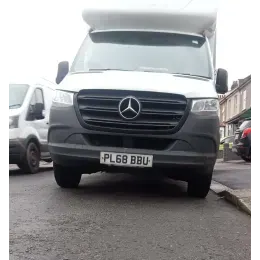
Route predictability drives moving duration. Predictable streets with legal loading points reduce carry distance and handling effort; unpredictable links, diversions or red-route frontages push the vehicle further from the door, slowing every load cycle.
Traffic timing sets your usable loading window. Commuter peaks, school runs and event-day changes create queues and road closures that extend approach time and reduce flexibility. Confirm a lawful stopping point before arrival; without one, time is lost circling, waiting or shuttling from distant bays. The timing side of that shows up in when London moves tend to take longer.
How to plan around restrictions
Run timing checks for both addresses using live traffic and local notices, then choose an approach that avoids bus-only links, timed streets and avoidable bottlenecks near arrival. Coordinate loading arrangements with any building manager, reserve available bays or lifts, and build in enough buffer so a delayed first stop does not collapse the second slot. In London, ULEZ, central access controls, CPZ hours and managed-building procedures should all be considered together when sequencing the route. That is especially visible in man and van services in Westminster.
Confirm vehicle suitability for the chosen approach, including height, width and turning limits. Share the planned street-by-street route with the team so everyone understands the loading point, carry distance and any staircase or lift constraints that affect handling time. Those constraints feed directly into how moving costs are shaped by access and time.
Eight route-planning variables in London
Traffic timing patterns
Commuter peaks, school-run surges and event-day diversions concentrate traffic and reduce approach options. Aim for shoulder periods and re-order multi-stop moves so the tightest address lands in the calmest traffic window.
Central access constraints
Bus gates, timed streets, width limits and restricted turns filter vehicles away from key approaches. Verify legal entry from the correct side of one-way systems and avoid last-minute banned turns that force long loops.
Kerbside loading conditions
Red routes, loading-only bays and short observation windows determine how close you can stop and for how long. Check signage, confirm bay dimensions and plan equipment for longer carries if needed.
Building access limitations
Service yards, low headroom, booked goods lifts and security sign-in compress loading rates. Reserve the lift, confirm maximum vehicle height and turning space, and assign a contact to meet security so the crew can start loading immediately.
Route predictability and delays
Roadworks, utility digs and temporary traffic lights create queues and diversions that upset timing. Preload an alternate approach and avoid narrow mews cut-throughs that seem quicker on satnav but add reversing and carry time.
Vehicle suitability and access
Long or tall vehicles struggle with tight turns, low bridges and car-park headroom. Match vehicle size to street geometry; where access is tight, plan a smaller vehicle or a short shuttle from a larger vehicle parked legally nearby.
Parking and permit constraints
Controlled Parking Zones, residential permits and bay suspensions determine whether you can stop at the door. Secure the correct permit or suspension in advance and keep proof available to avoid relocation risks or enforced moves mid-load.
How ULEZ and central restrictions affect moves in London
In London, ULEZ and other central access restrictions can affect route planning, timing and vehicle choice on moving day. They do not replace the usual loading issues; they sit alongside them. The most reliable plans check vehicle compliance, lawful stopping points, timed access rules and realistic approach routes together so handling stays efficient even when central restrictions compress the loading window.
Practical route-planning examples
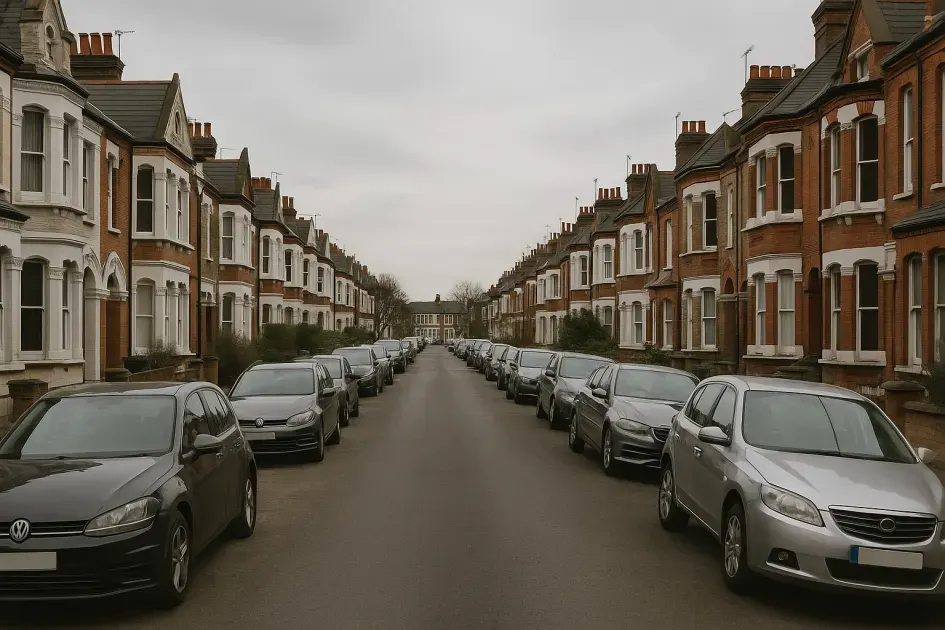
Example 1: A terraced street within a CPZ near a primary school schedules loading after the school-run peak. A visitor permit is arranged, and the van approaches from the wider end to avoid tight turns.
Example 2: A city-centre apartment requires a booked loading bay and goods lift. Vehicle height is checked against the service-yard limit, and the route avoids bus-only links that would block access to the loading entrance.
Example 3: A high street on a red route offers no front-door stopping. A legal side-street bay is identified in advance, carry distance is measured, and dollies are staged to maintain load rate despite the longer walk.
Example 4: A move crossing an event corridor near a stadium shifts its start time and uses a ring-road approach to bypass closures. The tighter stop is sequenced first to protect the booked loading slot.
Example 5: A multi-stop route through narrow mews streets uses a smaller van for access and a planned shuttle from a wider road, preventing reversals and reducing the risk of blocked turns.
Practical route-planning checklist
- CPZ or resident-only parking hours → Arrange a visitor permit or bay suspension and display proof to prevent enforced moves mid-load.
- Managed building with booked lift or bay → Confirm the slot, height clearance and entry route; share the loading point and access code with the team.
- Width limits, bus gates or banned turns on approach → Verify the street-by-street route and preload an alternate entry side.
- Red routes or no-stopping frontage → Identify the nearest lawful side street, measure kerb-to-door distance, and stage dollies or ramps to maintain load rate.
- Peak traffic or event-day congestion → Shift arrival to shoulder periods and add buffer time between addresses to protect downstream slots.
Apply neighbourhood context
Access, timing and loading rules vary by area, so check local bay hours, one-way systems and building procedures for your specific streets before finalising the route. Similar route constraints also appear in man and van services in Islington. If you are planning a move, this is one of the easiest places to avoid preventable delay.
We provide man and van services across the wider area, including man and van services in Carshalton, man and van services in Chislehurst, and man and van services in Crystal Palace, with bookings handled through a centralised platform using verified local operators.