What affects cost planning for moves in London
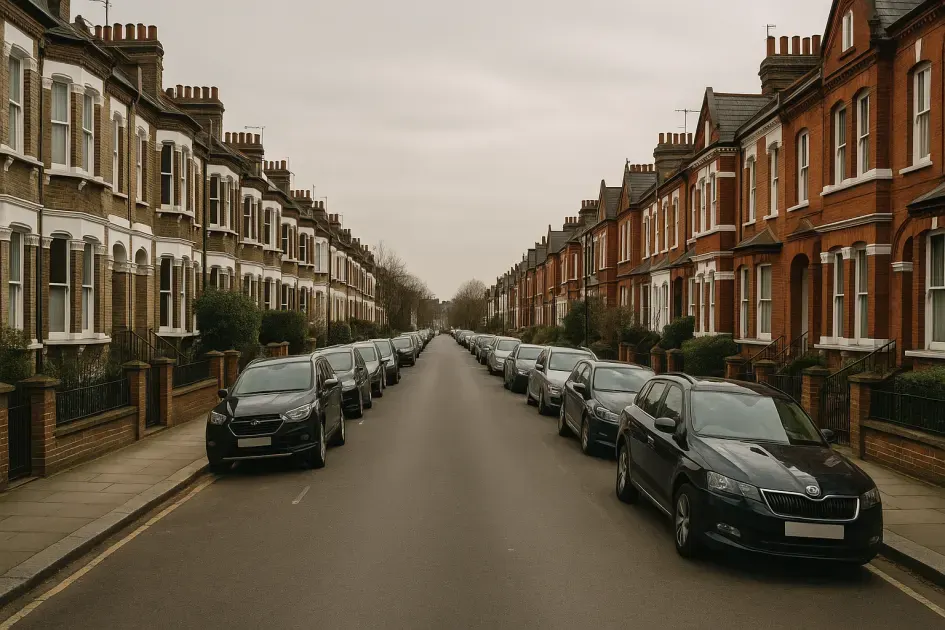
Moves cost more when loading or unloading is slow. In London, short journeys can still be time-heavy because permit parking, red routes and tight residential streets often prevent parking directly outside. That creates a longer kerb-to-door carry or forces timed use of a loading bay. One borough-level example is man and van services in Camden.
Distance inside the city influences travel time, but building access usually dominates the schedule. Stairs, narrow corridors and internal turns slow each carry. A third-floor flat without lift access will almost always take longer than a ground-floor property with straightforward kerbside parking. Lifts can help, yet many buildings require bookings with fixed windows, concierge sign-ins or service-lift rules that create waiting time and batching. Route timing also matters: school-run traffic, event pressure and peak-direction congestion reduce predictability, so sensible plans include buffer time. A big part of this comes from how route planning affects London moves. Scheduling pressure is clearer when you look at London demand patterns at different times.
In practice, two nearby addresses can generate very different totals if one has a clear kerbside space and lift access while the other requires a long carry, stairwork and building sign-in. The first finishes faster; the second extends the schedule, even if the mileage is minimal. The same underlying pattern is explained in how neighbourhood layout changes moving time.
What affects cost planning for moves in London
| Cost driver | What changes the time | Why it affects total cost |
|---|---|---|
| Parking access | Resident-permit zones, red routes, distant or timed bays | Longer kerb-to-door carries and tighter loading windows slow each shuttle, increasing labour hours |
| Building layout | Stairs, narrow corridors, tight turns, lift bookings | Smaller loads per trip and waiting for lifts add handling time, extending the schedule |
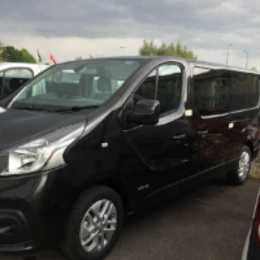
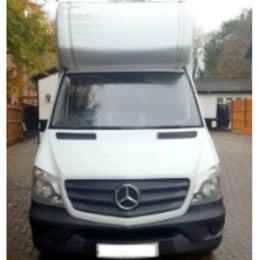
| Van size / movers | Right-sized van and crew versus a setup that is too small or too awkward for the street | Correct sizing reduces trips; a poor fit increases trips, staging or manoeuvring time, adding hours |
| Route timing | School-run peaks, roadworks, events, delivery cut-offs | Unpredictable routes force buffers and reduce flexibility, increasing the total billed time |
Planning the booked time for a London move
The time you need to book is one part of your quote, alongside the journey, date, vehicle and loading help. Straightforward access can reduce the time needed compared with stairs, distant parking or managed loading bays. The planning scenarios below are not fixed prices or promised durations. Check your booking details for the booked time, additional-time rate and any applicable external charges.
| Move type | Typical time range | What affects duration |
|---|---|---|
| Few items or a partial load nearby | Short slot | Kerbside space outside, ground-floor access, minimal disassembly |
| Studio or small 1-bed within the same borough | Around half-day | Permit parking, stairs versus lift, carry distance, off-peak travel |
| 1–2 bed flat across town | Half-day to full-day | Lift booking windows, corridor width, route predictability and loading-bay rules |
| 3-bed house or flat with access constraints | Full-day or more | Narrow streets, long carries, furniture disassembly and timed bays or concierge procedures |
How access changes the time needed
Example 1: Small terrace to nearby street, clear kerbside
Light furnishings and boxes move from a ground-floor terrace to a nearby address with open kerbside space. Short carry distance, no stairs and straightforward loading keep handling quick and reduce total hours.
Example 2: Small flat, residents-permit parking
The inventory is similar, but parking requires a visitor permit and the nearest legal space is a short walk from the door. The increased carry distance and permit checks slow each shuttle, extending the schedule and raising cost.
Example 3: 1-bed flat to 1-bed flat with lift booking
Inventory is moderate. Both buildings have lifts, but each requires a booked window and concierge sign-in. Waiting for lift availability and batching trips adds handling time and increases the overall total.
Example 4: 2–3 bed house on a narrow residential road
A narrow street restricts positioning a large van directly outside. The crew stages items and may use a smaller van or careful manoeuvres. Extra shuttling and cautious handling increase labour time and cost.
Example 5: High-rise move with loading bay and red route
A managed building has a timed loading bay off a red route and long internal corridors. Strict windows, security checks and longer internal routes create loading delays and tighter scheduling, increasing both hours and price.
How to keep the move efficient
Reduce unnecessary time by tackling the common bottlenecks before move day. Share accurate inventory, access notes and building rules so the right van and crew are assigned and the schedule reflects the real conditions rather than a generic estimate. If you are planning a move, this is where the biggest savings usually come from.
- Residents-permit street → Arrange a visitor permit or a timed bay so the van can park close to the door.
- Long kerb-to-door carry → Stage items near the exit and clear hallways to shorten each shuttle.
- Stairs or narrow corridors → Pack smaller sealed boxes and disassemble bulky furniture to speed each trip.
- Lift required → Book lift and loading-bay windows and inform building management of timings.
- Red routes or timed loading → Coordinate arrival within allowed windows and prepare a fallback parking plan.
- Peak traffic routes → Avoid school-run and commuter peaks; choose a quieter travel window.
- Complex inventory → Label rooms and group items by destination to reduce decision time during unloading.
We provide man and van services across the wider area, including man and van services in Canonbury, man and van services in Chessington, and man and van services in Croydon, with bookings handled through a single booking system with vetted local drivers.