
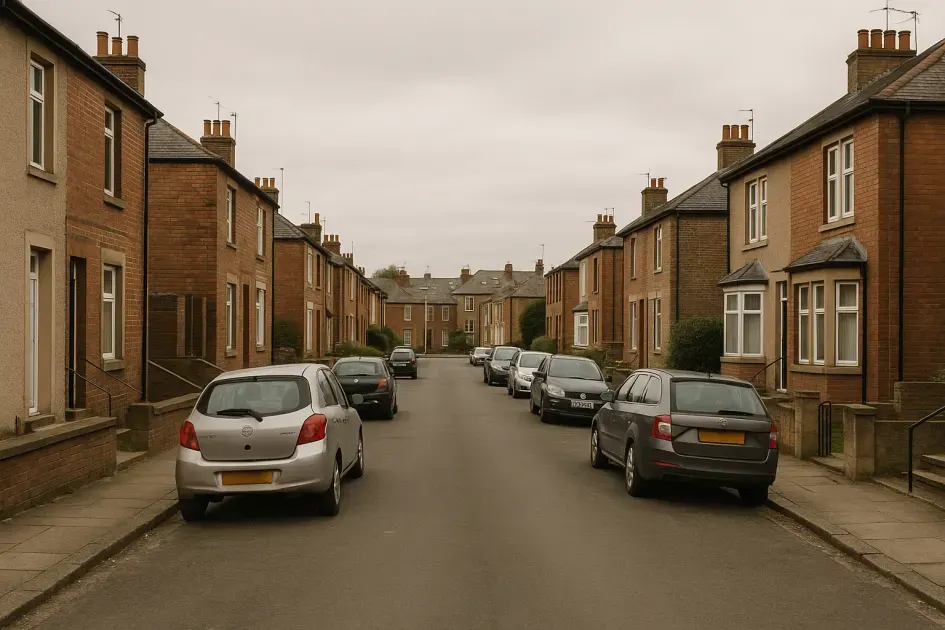
Access and property constraints in Swansea
Many residential streets near terraces and older properties can be narrow, with parked cars reducing usable width. Blocks of flats may require pre-booked loading slots, lift reservations, and proof of insurance before any handling starts. City-centre traffic controls can also compress loading times and force vehicle staging on wider roads.
Street access and loading realities
- Narrow streets and tight turning circles can prevent larger vehicles from reaching the door. A shuttle plan or smaller van may be required.
- Permit parking zones can limit where a vehicle can stop. Without a permit or dispensation, the crew may have to park further away, increasing carry distance.
- Controlled loading windows near busy streets or managed developments can restrict timing. Arrive within the window to avoid delays.
- Tight frontage access (short drives, low walls, or narrow gates) can slow handling or block equipment like ramps and trolleys.
Building and property friction
- Flats often need lift bookings. Service lifts may be mandated and require padding and protection.
- Concierge rules can include signing in, reserving a move window, and using specific entrances or goods lobbies.
- Stairs add handling time and may require an extra crew member or different load order for safety.
- Terraces frequently involve rear-lane access or longer carries from the kerb; plan staging points accordingly.
Parking, permits, and managed access
Check local parking signs and council guidance for permit streets. Where bays are resident-only, arrange visitor permits or request a temporary dispensation. For managed developments, confirm the exact loading bay, lift access, and any paperwork required before arrival. If loading windows apply, align vehicle arrival and lift booking to the same slot to avoid dead time.