
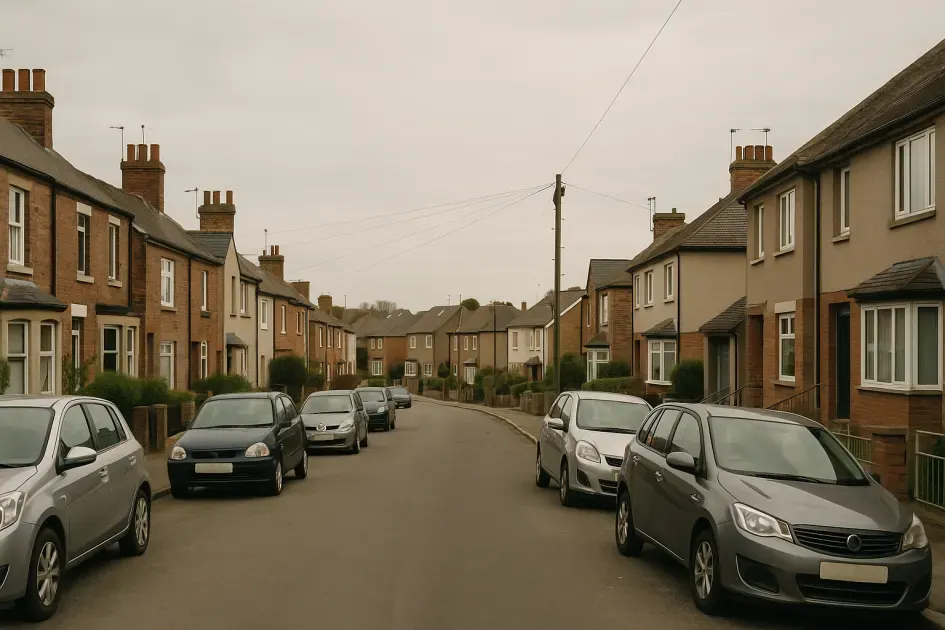
How removals conditions vary across Swansea
Conditions shift from coastal streets and townhouses to estates with cul-de-sacs and mixed parking rules. City-centre flats can involve service yards and lift bookings, while suburban semis may offer easier driveway access but longer door-to-vehicle carries. Planning hinges on access, property layout, and timing windows.
Neighbourhood access patterns
Expect tighter streets and on-street parking near older terraces, school-run pinch points near primaries, and timed loading or concierge rules for newer apartment blocks. Cul-de-sacs and bus routes can dictate vehicle size and approach angles. Confirm whether your address has permit bays, loading-only sections, or shared courtyards.
Property and loading differences
Victorian/Edwardian terraces often mean narrow halls and stair turns; suburban semis have better access but may need ramp protection across gravel or steps; apartments require lift and loading bay coordination. Garden studios and loft rooms create extra carries unless items are staged near exits.
How to plan for different move types
For flats, secure lift slots and a loading bay, measure large items against lift door and corridor sizes, and reserve padding to protect communal areas. For houses, prioritise driveway clearance, dismantle large wardrobes/beds early, and stage boxes to minimise steps. For long cross-town moves, align key exchange with crew start so loading finishes as keys release for unloading.
City-wide baseline: where time is lost
Time typically slips on parking setup, carry distance from parked vehicle to door, lift waits, and disassembly. Swansea does not currently have an active clean-air or charge zone affecting standard removals planning, but loading restrictions, timed access, permits, apartment rules, and city-centre traffic controls can still affect routing and timing.
Eight local variables that change removals planning
1) Street width and parking controls
Dictates vehicle size, distance to door, and whether shuttle-loading from a smaller van is required.
2) Hill gradients and steps
Increase handling time and may require extra porters, ramps, and load sequencing to reduce double-handling.
3) Flat block lift size and booking windows
Set the pace for bulky items; missing a slot creates long delays. Pad and protect lifts as required.
4) Property layout and disassembly needs
Turns, low ceilings, and tight doorways often mean dismantling beds/wardrobes and staging items by room.
5) Loading bay or service yard access
Some sites require pre-registration, fob access, or out-of-hours loading; confirm instructions in advance.
6) School-run and commuter traffic
Rush-hour and school gates slow approach and departure; plan crew arrival to avoid peak times.
7) Distance between properties and routing
Impacts turnaround and driver rest compliance; allow for known bottlenecks when setting load-offload cadence.
8) Weather exposure and protection
Coastal wind and rain call for extra floor protection, shrink-wrap for soft furnishings, and sheltered staging.
Practical planning checklist
- Reserve parking or obtain permits at both addresses; brief neighbours if needed.
- Measure largest items, stair turns, lift doors, and key corridors; plan dismantling.
- Book lift or loading bay windows and align crew arrival and packing to match.
- Stage boxes by room near exits; protect floors and bannisters before loading.
- Coordinate key release and travel time so unloading starts on arrival.
Scenario examples
Example 1: Mumbles townhouse on a slope to a central flat: add bannister protection, pre-dismantle wardrobes, secure lift slot, and position vehicle nose-in for safer ramp angle.
Example 2: Gorseinon semi with cul-de-sac parking to Llanelli bungalow: cone a space the night before (where allowed), use a piano trolley for long paths, and protect thresholds against gravel.
Example 3: Neath terrace with rear lane: confirm lane width, deploy a smaller shuttle van if required, and hand-carry fragile items to avoid awkward turns.
Apply neighbourhood context
Use local pages to refine your plan with street-level insights on access and property form:
- Mumbles Moving Guide
- Gorseinon Moving Guide
- Neath Moving Guide
- Llanelli Moving Guide
- Mumbles property access challenges
- Gorseinon property access challenges
- Neath property access challenges
- Llanelli property access challenges
When you are ready to schedule, return to the main Swansea removals page.