
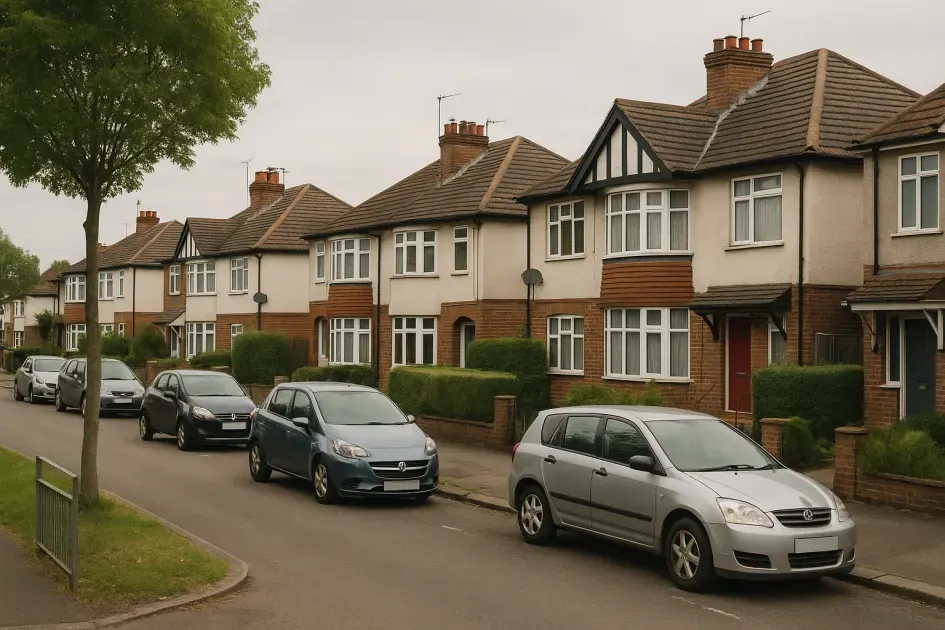
Access and property constraints in Southampton
Operational planning in Southampton hinges on where the vehicle can stop, how far items must be carried, and what the property allows. Terraces with tight frontage access, flats with lift bookings, stair-only blocks, and streets with permit controls can all extend loading time. If you need scheduling or capacity guidance, see the Southampton removals page.
Street access and loading realities
Street width and traffic controls decide how close the vehicle can get. In some streets, turning a large vehicle isn’t practical; a smaller shuttle vehicle may be used from a wider road. Permit parking means the closest legal spot might be a few doors away. City-centre and mixed-use streets may operate controlled loading windows that limit when loading can happen. Expect longer carries where frontage is narrow, recessed, or shared with neighbouring properties.
- Narrow streets and tight junctions can force a smaller vehicle plan.
- Permit-controlled bays may require advance bay suspension.
- Controlled loading windows reduce flexibility—arrive ready to load immediately.
- Pedestrian-heavy areas often have early-morning loading access only.
Building and property friction
Inside the property, stairs, lift rules, and corridor width set the pace. Flats frequently require lift bookings and sometimes protective padding. Concierge-managed buildings may ask for ID, insurance, or a risk assessment. In terraces, tight hallways and low ceilings can slow the handling of bulky items; dismantling and measured routes help avoid delays.
- Flats: confirm lift bookings, permitted hours, and any padding requirements.
- Stairs: more flights increase handling time; clear landings and routes.
- Concierge rules: register visitors and arrange key/fob access ahead of time.
- Terraces and tight frontage: pre-measure doorways and plan dismantling for large furniture.
Parking, permits, and managed access
On-street loading relies on legal stopping points. Where residents’ bays dominate, organise visitor permits or request a bay suspension with enough lead time. Apartments may control loading bays with booking calendars and time-limited slots; ensure your slot matches vehicle arrival and lift availability. If the route from vehicle to door crosses shared areas, agree a clear path and any required protection.
- Check resident-permit zones and visitor permit limits for your address.
- For guaranteed proximity, consider a temporary bay suspension.
- Coordinate apartment loading bay access, lift bookings, and keys/fobs.
- Share arrival times with neighbours if space is informally shared.
Coordinate building access at both Southampton addresses
For a Southampton move involving a managed apartment, ask which entrance is used for furniture, whether the lift needs booking and where the vehicle can wait lawfully. Share any height barrier or internal carrying distance before choosing the vehicle and loading help.
Send a useful Southampton quote request
For your household removal, give the full inventory, both postcodes, floors, lift arrangements and the carrying distance from the vehicle. Identify any fixed key or building-access time. Compare quotes using the same load and level of help rather than the journey distance alone.
- Confirm who will be present to provide access at each address.
- Separate items that stay behind and label packed boxes by destination room.
- Agree any dismantling or special handling before the move.
- Tell the team promptly if the load or access changes.
Use the Southampton removals page to check the service and prepare your booking details.