
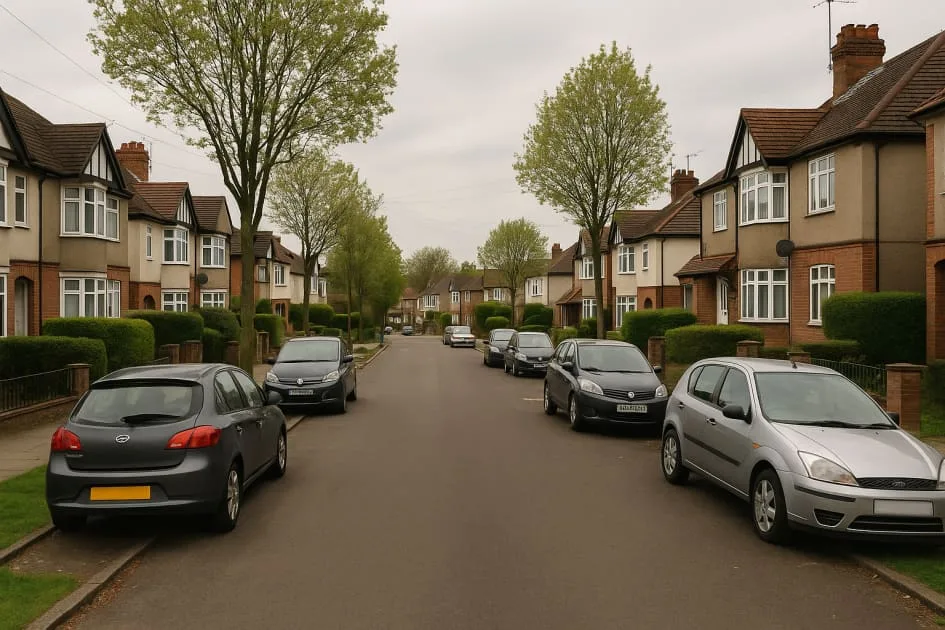
How removals conditions vary across Southampton
Central Southampton concentrates flats and mixed-use buildings with controlled bays, one-way systems, and tighter loading windows. East Southampton tends to mix terraces and maisonettes with permit parking and school-run peaks. West Southampton often features suburban estates and cul-de-sacs where vehicle turning and driveway use can be easier, but carry distances may grow on newer developments.
Neighbourhood access patterns
Central streets can impose timed loading, bus lanes, and short-stay rules; pre-arranged loading bays and clear signage on the day keep carry time down. East-side terraces may have narrow carriageways and heavy parking on both sides; expect shuttle tactics or early placement of cones where permitted. West-side estates might allow closer parking but require careful routing to avoid tight turns, height limits, or speed cushions.
Property and loading differences
High-rise flats: confirm lift size, booking windows, protection requirements, and any concierge check-in. Victorian/Edwardian terraces: measure narrow halls and stair turns; dismantle large items before move day. New-build townhouses: plan for multi-level carries and ensure vehicles can safely stage on site without blocking shared access.
How to plan for different move types
Flats benefit from a staged load: one team on packing and lift rotation, another on street-level shuttling to reduce lift queue time. Houses with garden access work well with ground-floor prioritisation and a clear path for bulky items. Long-distance moves often pair an early local load with a timed arrival window to align with key release and building access.
City-wide baseline: where time is lost
- Searching for legal, close parking or relocating a vehicle mid-load
- Waiting for lift access or navigating long carry routes
- Congestion near retail cores, schools, and event routes
- Key release delays and last-minute building rules
Eight local variables that change removals planning
1) Parking bay type and distance
Identify resident, pay-and-display, or loading bays and measure the walk from vehicle to door to size crew and trolleys.
2) Stair count and lift size
Note floor level, lift weight limits, and door widths; plan lift rotation or stair teams for speed and safety.
3) Vehicle size limits and streets
Check width restrictions, low trees, traffic-calming, and turning heads; choose truck size or shuttle accordingly.
4) One-way systems and turnarounds
Plot arrival and exit routes to avoid long loops that extend job time or force risky reversing.
5) Loading windows and permits
Secure building permissions, bay suspensions, and any concierge clearance well before move day.
6) Key handover timing and chain risk
Use flexible sequencing: load early, pause nearby, then deliver when keys are confirmed.
7) School and port traffic peaks
Avoid start/finish bell times and major ship days; shift to mid-morning or early afternoon.
8) Weather and waterfront exposure
Wind and rain near open waterfronts affect carrying and protection; stage covered loading where possible.
Practical planning checklist
- Share exact parking and building access rules with your crew
- Measure big items and tight turns; pre-dismantle where needed
- Book lifts, bays, and any permits in writing with times visible
- Set a key-release contingency (pause point or split delivery)
- Choose arrival slots that dodge school and retail peaks
Scenario examples
Example 1: Central flat, 8th floor with booked lift 10:00–12:00. Crew prioritises boxed items first to maximise lift cycles, keeps one porter street-side, and completes furniture after midday once lift queues ease.
Example 2: East-side terrace with resident parking. A suspended bay reduces carry from 60m to 15m; a compact vehicle stages closest while the larger truck waits legally around the corner.
Example 3: West-side townhouse over three levels. Team assigns one porter per floor, pre-wraps banisters, and sequences heavy items early before school-run traffic builds.
Apply neighbourhood context
Dig deeper into area-led tactics and property-specific constraints using the pages below.