How removals conditions vary across Sheffield
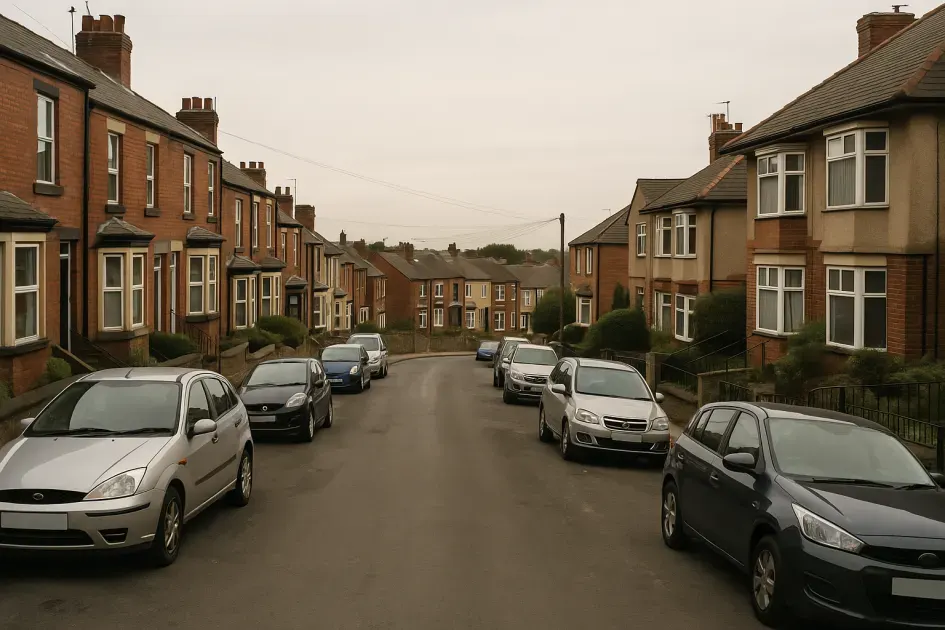
Street width, parking controls, and hill gradients vary widely. City-centre blocks can have managed loading bays and security windows, while terraces often mean tight parking and longer carries. Suburban semis may offer driveways, improving loading efficiency. These differences alter crew pacing, vehicle choice, and route choice.
Neighbourhood access patterns
Expect a mix of one-way streets, permit zones, and school streets at peak times. Apartment districts may require lift booking or concierge sign-in. On steep roads, safe chocking and shorter shuttles to door become important. Where streets pinch, early arrival helps secure a workable loading position.
Property and loading differences
How to plan for different move types
House to house: Prioritise driveway clearance and route choice that avoids peak congestion near schools.
Flat to house: Book lifts, secure a loading bay, and schedule early to reduce lobby traffic.
House/flat to storage: Use uniform cartons and clear labels; stack plan improves unload speed.
City-wide baseline: where time is lost
- Circling for a space due to permit or time-limited bays
- Unbooked lifts or blocked loading bays
- Under-estimating carry distance from vehicle to door
- Stair-only access for heavy items without a stair plan
- Late changes to key handover or building access
Eight local variables that change removals planning
1) Street width and turning circles
Dictates vehicle size and whether shuttling from a smaller vehicle is needed.
2) Permit rules and bay suspensions
Determine if you can hold a front-of-property position or must park further away.
3) Gradient and surface
Steep slopes slow barrow runs and may require extra crew for safe handling.
4) Lift availability and capacity
Booked lift windows and weight limits change load order and timing.
5) Internal layout
Tight stairs, narrow doors, and split levels drive the disassembly plan.
6) Neighbourhood traffic peaks
School start/finish and rush hour affect arrival, departure, and route reliability.
7) Clean Air Zone routing
Check compliant routes and plan alternatives to avoid last-minute diversions.
8) Loading window controls
Concierge or management slots require punctual staging and clear task sequencing.
Practical planning checklist
- Confirm parking method at both addresses (permit, bay, driveway)
- Measure key furniture and note any disassembly needs
- Check lift booking, loading bay access, and protection rules
- Share a labelled inventory with floor-by-floor drop plan
- Agree arrival time that avoids local peak traffic
Scenario examples
Example 1: Terrace-to-terrace, tight parking. Plan an early arrival, deploy cones if permitted, and stage loads to reduce door–vehicle walking distance.
Example 2: Apartment to semi-detached. Pre-book lift and loading bay, protect common areas, then route to the driveway address for a faster unload.
Example 3: Across-city move near peak times. Avoid school streets on the route, build in a buffer for traffic, and sequence fragile items for last-on/first-off.
Apply neighbourhood context
Use these area pages for detailed moving-guide and property-challenges notes that affect loading positions, lift windows, and route choice.