Why Rotherham’s buildings and streets matter to a removal
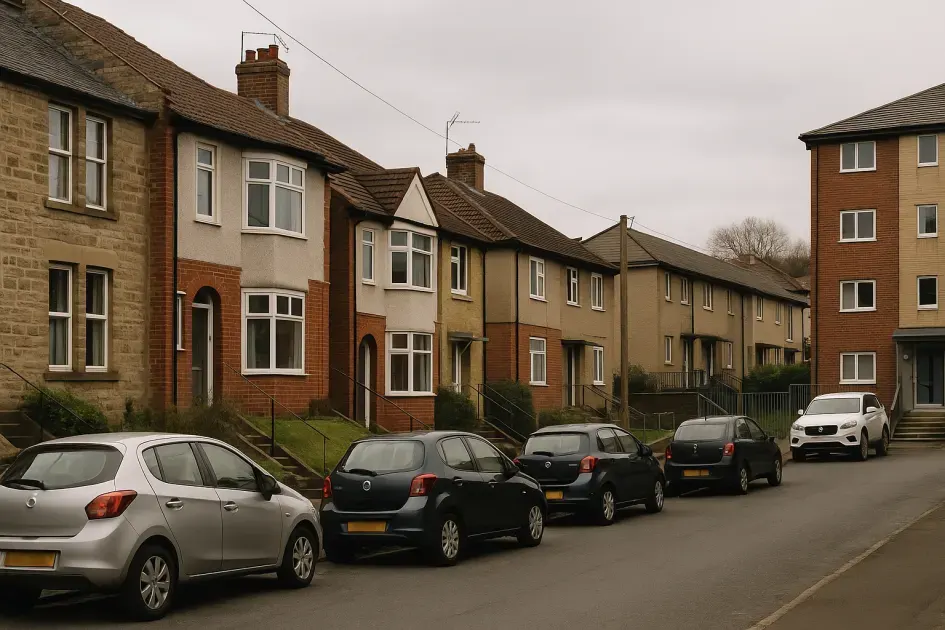
Rotherham’s mix of dense, older terraces, converted town-centre flats, and modern housing estates creates very different on-the-day challenges. The physical layout of a street, the presence or absence of lifts, and parking control around the property directly influence how long loading takes, how many crew members are needed, and whether special planning (permits, lift bookings or shuttle runs) is required.
removals in Rotherham is the main booking page for checking availability, pricing and move details in one place, while access and property guide for Sheffield gives broader regional context on property and access conditions.
Terraced housing — the common constraints
Terraced streets close to Rotherham town centre and many former mining villages around the borough tend to have narrow frontages, shallow doorways and steep internal staircases. These features mean:
- Carry distances from vehicle to front door can be 10–30 metres along paved paths or narrow back alleys — each long carry adds minutes per item and fatigue for crews.
- Cellars and small hallways demand dismantling furniture or extra manoeuvring time; larger items often have to be removed through windows or over balconies if clearances are tight.
- Street parking is limited in the busiest terraces. If a van cannot park outside, a shuttle between the parking spot and property is required, adding journeys and therefore time and cost.
Flats and apartments — lift, stairs and building rules
Flats in Rotherham vary from Victorian conversions above shops to purpose-built riverside blocks. Practical implications include:
- Converted flats typically have narrow stairwells and no lift; items are carried on foot which multiplies handling time and increases the chance of damage without extra protection.
- Purpose-built blocks may have lifts, but service lifts often have weight or size limits and require advance booking with the building manager or freeholder. Block management sometimes enforces restricted move-in windows or requires proof of insurance.
- Ground-floor flats may have communal courtyards or gated access that restrict vehicle access — a short carry through communal space still needs careful scheduling to avoid obstructing neighbours.
Narrow roads, parking controls and operational friction
Many Rotherham residential roads — particularly in older neighbourhoods — are not built for regular large commercial vehicles. Consequences include:
Access issues usually sit alongside other planning points, so this page with moving guide for Rotherham and hidden moving costs in Rotherham.
- Large removal vehicles may be unable to access cul-de-sacs, estate crescents or narrow lanes; a smaller vehicle or shuttle from a legal parking spot is often necessary.
- Short-term loading restrictions in the town centre and near commercial hubs mean loading must be scheduled into pay-and-display times or coordinated with local authorities for a bay suspension.
- Illegally parking on double yellow lines to shorten the carry risks fines and towing, which disrupt the move and add unexpected costs.
Suburban layouts versus dense urban streets
Rotherham’s suburbs (for example, parts of Wickersley, Bramley and Brinsworth) typically have semi-detached and detached homes with driveways and wider carriageways. That reduces carry distances and loading time but introduces other issues:
- Estate roads often include traffic calming, narrow entrances and parking courts with limited turning circles; a long vehicle may not be able to use them safely, so smaller vehicles or a couple of shuttle runs are required.
- Properties with driveways still need protection for lawns and kerbs when loading heavy items. Some newer estates have restrictive covenant rules about where contractors can park or store items during a move.
New builds versus older properties — different frictions
New-build developments on the outskirts of Rotherham differ from older houses in ways that affect removals planning:
- New builds often have internal corridors, narrower doorways and lightweight staircases that are not designed for frequent heavy traffic. Large items can damage frames and require dismantling or specialist kit.
- Developments with parking courts or underground parking limit where a removal vehicle can stop. Developers sometimes expect removals to use designated collection points, increasing carry distance and time.
- Older properties bring their own problems: irregular floor levels, tight corner turns, sash windows and cellars — which increase manual handling and may require extra labour and protective materials.
Real-world implications for time, cost and planning
Everything above affects the operational plan. Practical considerations to build into any Rotherham move include:
- Time: Allow extra time for stair carries, shuttle runs from legal parking and for careful manoeuvring in tight interiors — moves in terraced or flat conversions can take 25–50% longer than similar-sized homes with driveways and lifts.
- Cost: Additional crew hours, smaller vehicle shuttles, permit fees and lift bookings increase overall cost. Narrow access can also necessitate dismantling and reassembly work (beds, wardrobes) which takes both time and specialist labour.
- Planning: Confirm lift dimensions, book lift or service-entrance times with building managers, check with Rotherham Metropolitan Borough Council about short-term loading suspensions, and identify legal parking spots for the removal vehicle before moving day.
Where to find further local detail
For specific borough parking and loading rules consult the local authority pages and factor those rules into your logistics. Read the local removals overview at removals in Rotherham and the broader access considerations at access and property guide for Sheffield. For practical checklists tailored to Rotherham streets and estates see moving guide for Rotherham.