Access and property constraints in Sheffield
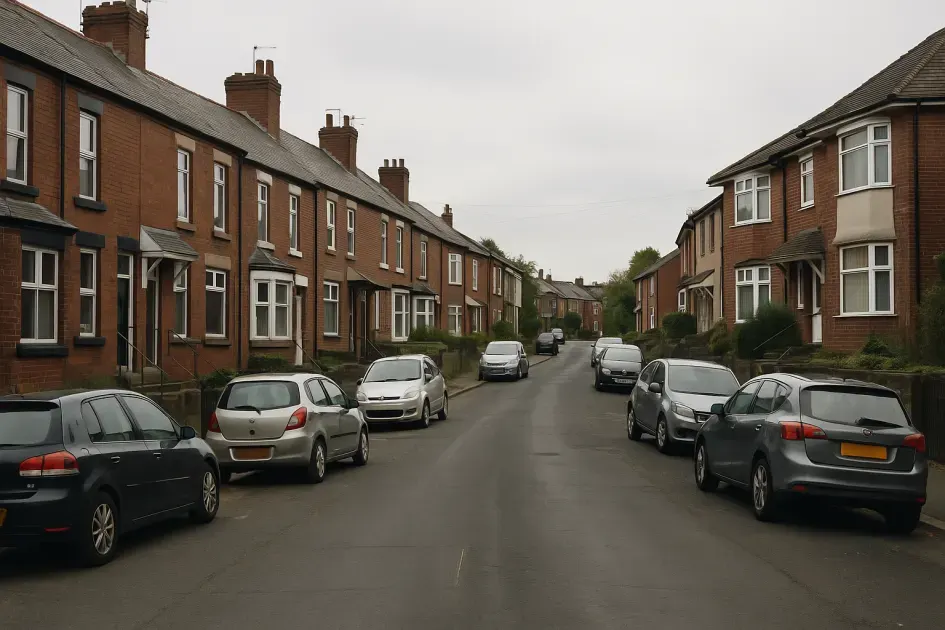
Access drives timing and handling risk. Narrow streets and terraces often restrict large-vehicle positioning, while permit parking and controlled loading windows can limit how close and how long you can load. In flats, concierge rules, lift bookings, and goods-lift dimensions shape the move plan. Stairs and long carry distance increase handling time; tight frontage access may require smaller vehicles or staged loading.
Street access and loading realities
Expect a mix of residential permit zones, time-limited bays, and occasional bus or cycle priority routes. On narrower streets, through-traffic and corner turning circles may constrain vehicle size. Where loading windows apply, precise arrival and pre-staged packing are essential to use the slot efficiently. If the entrance is recessed or on a gradient, allow for safe trolley routes and kerb ramps.
Building and property friction
Flats commonly require lift bookings, protective pads, and quiet-hour compliance. Some buildings limit crew numbers or restrict stairwell use during peak times. Terraces with tight frontage access may force a short shuttle or a longer carry from the nearest legal bay. Stairs, turns on landings, and door widths determine whether items need partial disassembly. For concierge-managed sites, share entry instructions, lift sizes, and any loading dock rules with the crew beforehand.
Parking, permits, and managed access
Check local bay rules early: resident permits often don’t cover commercial loading duration. Consider a bay suspension for the loading window, especially in denser streets or where carry distance would otherwise be excessive. Confirm signage lead times with the council and align your slot with lift or concierge bookings. Where there’s a shared loading bay, agree a slot and fallback time to prevent queuing or vehicle idle.