Why North Sheffield’s buildings and streets matter for removals
North Sheffield mixes dense Victorian terraces close to the city with quieter suburban crescents and recent housing estates. That variety creates distinct operational effects: where a terraced street in Walkley reduces frontage and vehicle access, an estate in Fulwood may increase carry distances because of cul-de-sacs and parking courts. Each neighbourhood layout changes where a removal vehicle can stop, how far items must be carried and how long the job will take.
Use North Sheffield removals service first for the core service page when you want the clearest route from access planning to booking.
Terraced housing: narrow fronts, deep carries
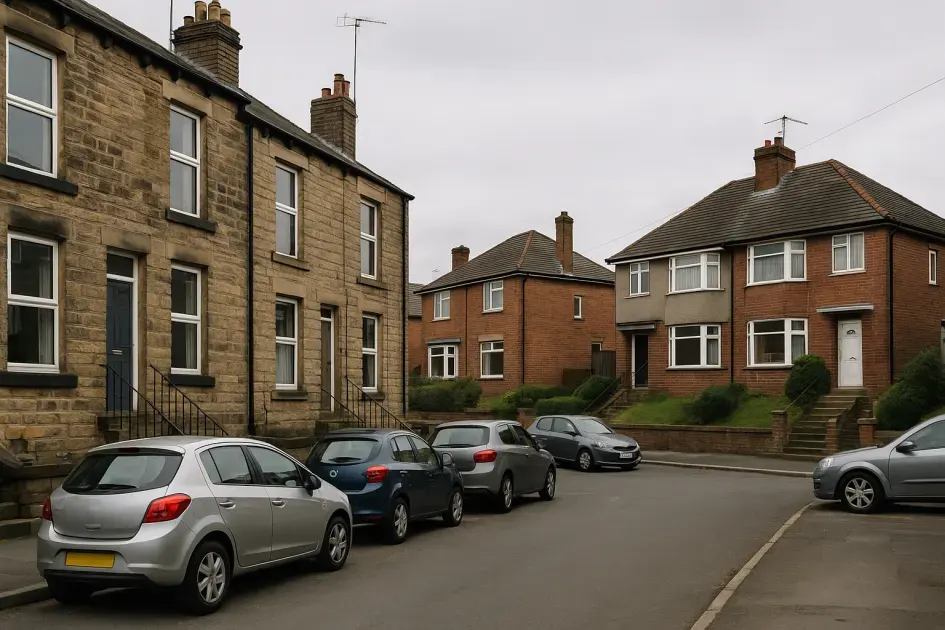
Terraced houses in parts of Walkley, Crookes and sections north of the railway often have narrow frontages and little or no off-street parking. Removals here commonly face cross-terrace carrying — moving items along narrow pavements and sometimes through small garden gates. That produces two real-world impacts: longer loading and unloading times because of multiple short trips, and potential need to leave larger furniture on the pavement temporarily while doors are negotiated. These streets also frequently fall inside resident permit zones so the nearest legal parking may be a short walk away, increasing manual carry distance and labour required.
In practice, this usually connects with To understand how building layout affects the wider move plan, pair this page with moving guide for North Sheffield and hidden moving costs in North Sheffield..
For a broader regional view, see access and property guide for Sheffield.
Flats and apartments: staircases, lifts and shared entrances
Many North Sheffield properties are Victorian houses split into flats or purpose-built blocks. In converted older buildings – especially around Crookes and the terraces near Hillsborough – staircases are steep, narrow and have tight landings. That restricts the size of items that can be carried upright, increases handling time and often necessitates dismantling of sofas or beds. Purpose-built apartment blocks may offer lifts, but those lifts frequently have size and weight limits, busy service times, or require booking with a concierge. Communal entry systems and restricted delivery hours in some blocks also add administrative steps that extend total move duration.
Narrow roads, on-street parking and permit areas
Many North Sheffield roads were laid out before large modern vehicles existed. Narrow carriageways, parked cars on both sides and school-run congestion near local schools and shops reduce where a typical large removals vehicle can safely stop. In Hillsborough’s older shopping areas and residential streets around Walkley, on-street parking often leaves only single-lane access. This increases loading time because vehicles cannot load directly outside the property and the crew must shuttle items over longer distances. Additionally, zones with resident parking permits or pay-and-display bays require prior planning: without permits or suspension you will likely face additional walking time and potential parking fines that affect the overall cost of the move.
Suburban versus denser layouts: different frictions
North Sheffield’s suburban pockets (Fulwood, Crosspool fringes) typically allow wider roads and off-street parking but introduce other constraints: long driveways, long internal corridors in new homes, or houses set back from the road behind gardens. Those conditions increase continuous carrying loads and time on the day. Conversely, denser streets near the city slope and squeeze space; although the vehicle can often stop closer to doorways, manoeuvring bulky items down steep steps or through tight stairwells produces slower handling and more careful planning. Each setting demands different staffing levels and timing assumptions.
New build vs older properties: opposite problems
New-build developments around the northern edge of the city usually have modern internal layouts and lift access, which eases interior handling. Externally, these estates often have narrow estate roads, gated parking courts and columns that prevent a large removal vehicle from reaching doorsteps — resulting in longer carries and potential parking restrictions enforced by site management. Older properties offer direct street frontage but present narrow doors, uneven steps and shallow landings indoors. These older structural issues increase the likelihood of on-site dismantling and specialist handling to protect both property and goods.
Operational friction: how the local details affect time, cost and planning
All of the features above translate into concrete operational effects for moves in North Sheffield. Expect longer job durations where multi-storey carries, narrow staircases or parking restrictions exist; additional crew or time windows for lifts may be necessary; and there can be increased risk of delays if permits or access agreements are not arranged in advance. Financially, longer carries and specialist handling both add labour hours and can require hiring smaller trolleys or stair-climbing equipment to keep moves safe. Planning should therefore include a site-specific assessment of vehicle access, predicted carry distances and potential need for staged loading to account for peak-hour street restrictions.
Practical next steps for planning a move in North Sheffield
Start with a clear map of where a removals vehicle can legally stop and measure likely carry distances from that point to the property entrance. If you need more background on how access and property features change a move, review the broader guidance at access and property guide for Sheffield. For local logistics specific to the northern suburbs, see the overview at North Sheffield removals service and the practical checklist at moving guide for North Sheffield.
What to expect on the day
On move day in North Sheffield, plan for an extended crew time allowance if you occupy a terraced property or a stair-only flat; allow extra time for waiting on lifts and managing shared access in apartment blocks; and confirm any council permit requirements 48–72 hours in advance to avoid parking-related delays. Realistic scheduling reduces risk of rushed handling that can damage property or belongings and gives teams the time needed to navigate North Sheffield’s particular mix of streets and buildings safely.