Understanding property challenges for removals in Barnsley

Barnsley’s housing stock and street patterns create very specific physical challenges for full house, flat and office moves. Whether the property sits in the compact terraces near the town centre, a modern apartment block by the Glass Works regeneration, or a new-build estate on the outskirts, each location shapes the logistics: where a van can park, how many metres items must be carried, and how long loading will take. See the local removals overview at removals in Barnsley and the wider access guidance at access and property guide for Sheffield.

Terraced housing: narrow fronts, shared pavements and long runs

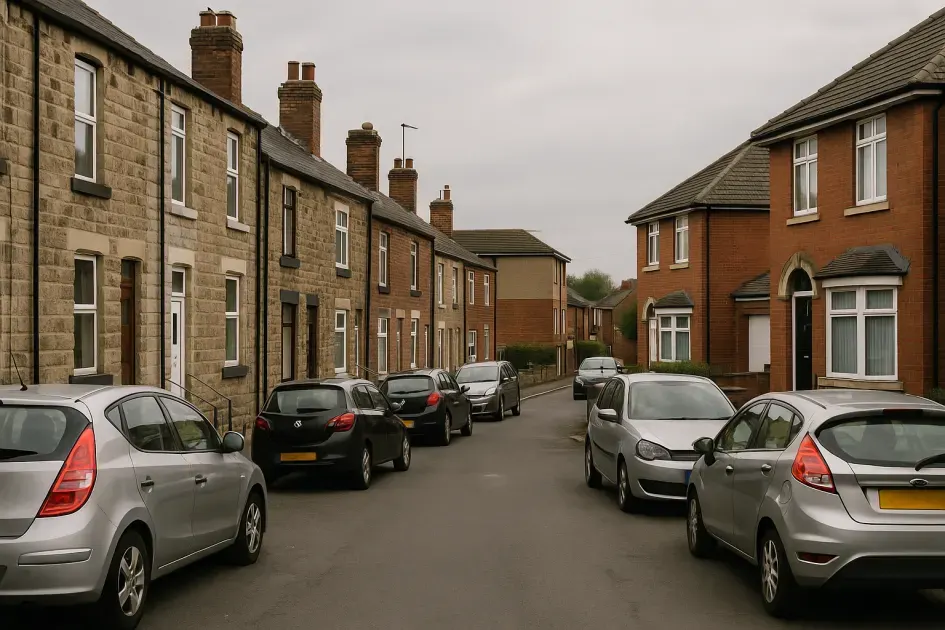
Large swathes of central Barnsley contain traditional terraced streets with small front gardens or no forecourts at all. Those rows are often densely parked and have narrow pavements and sometimes cobbled back alleys. For removals this results in:

For a broader regional view, see access and property guide for Sheffield.

removals in Barnsley is the main booking page for checking availability, pricing and move details in one place.

  • Carry distance: legal parking may be 10–30 metres from the front door because vehicles cannot stop in narrow terraced streets — every extra metre increases handling time and crew fatigue.
  • Loading time: tight doorways and narrow hallways frequently slow bulky-item manoeuvres and require dismantling furniture on-site, adding hours to the job.
  • Planning impact: consider permit applications, short-term suspension of parking bays or using smaller shuttle vehicles from a legally parked larger vehicle to the property.

Flats and apartments: lifts, service yards and timed access

Flats across Barnsley vary from purpose-built low-rise blocks to converted attic flats. Typical constraints include:

Access issues usually sit alongside other planning points, so compare this page with moving guide for Barnsley and hidden moving costs in Barnsley.

  • Lift availability: older blocks and conversions commonly lack passenger lifts or have lifts with tight internal dimensions, forcing stair carries. Newer town-centre apartments may have lifts but shared service yards with restricted loading times.
  • Loading windows: estate management or freeholders in some Barnsley developments set strict delivery times or require booking of service lifts, which must be confirmed well before the move.
  • Real-world implication: stair carries and lift scheduling slow the throughput of items, increasing labour time and potentially requiring a larger crew or more time slots on the day of the move.

Narrow roads, parking zones and Barnsley town-centre constraints

Barnsley town centre and inner suburbs have a mix of pedestrianised streets, resident permit zones and narrow residential roads. Practical effects include:

  • Parking permits and restrictions: many residential streets operate permit parking or limited waiting, and lanes near the market may prohibit loading during peak pedestrian hours. Advance research and permissions are often necessary.
  • Vehicle manoeuvring: narrow two-way streets with parked cars on both sides can prevent a full-size removal vehicle from reaching the property, requiring shuttle trips and extra crew time.
  • Cost and time consequences: when direct van access isn’t possible, additional labour hours for carrying and longer vehicle-on-street time translate into higher move costs and extended schedules.

Suburban layouts versus dense inner areas

Across the Barnsley borough, suburban neighbourhoods and denser inner areas produce different removal dynamics:

  • Suburban semi-detached streets: in suburbs such as Dodworth and Hoyland, properties often have off-street parking or driveways, reducing carry distance. However, many cul-de-sacs and estate roads have narrow turning circles that complicate van access and can require reversing onto minor roads.
  • Dense inner areas: terraces and narrow terraced lanes nearer the town centre increase foot traffic and reduce legal parking near the property, extending loading times and necessitating earlier starts to avoid pedestrian peaks.
  • Planning implication: location-specific reconnaissance is valuable — a suburban property may need space for a single-day parking booking, while a town-centre terrace may need formal suspensions or coordinated unloading windows to avoid congestion fines and delays.

New builds versus older properties: different physical frictions

New developments and older Barnsley homes both present distinct challenges:

  • New builds: estate roads often include communal parking courts, traffic calming features and planted verges that limit direct van access. Internal layouts in modern homes (narrow corridors, glazed-panel doors) can make moving large pieces difficult despite the wider external roads. Some new developments prohibit commercial vehicle parking without prior arrangement.
  • Older properties: Victorian terraces and early-20th-century semis commonly have narrow, winding staircases, low door lintels and cellars. These require careful handling and potentially dismantling of larger items, which adds to labour time and may require specialist handling equipment.
  • Operational outcome: each property type alters the crew size, equipment needed (trolleys, stair climbers, protective coverings) and the expected duration on site — all factors that must be built into the move plan for Barnsley properties.

Practical next steps for Barnsley moves

Assess the property’s frontage, parking, internal access and local restrictions early. Book any necessary loading bays or permissions for town-centre streets, and confirm lift availability or tight stair measurements for flats. For a location-specific moving checklist and timing considerations see the Barnsley moving guide at moving guide for Barnsley.