This North London moving guide brings the local moving picture together in one place. It covers the practical reality of access, parking, timing and building type so the move can be planned around the area as it really behaves rather than as it looks on a map.
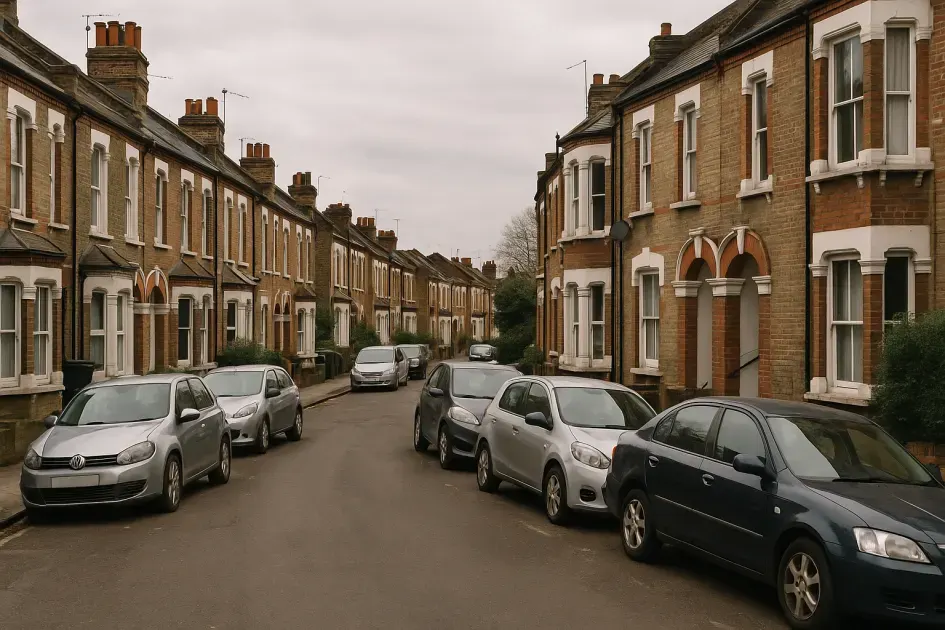
North London tends to be shaped by permit-controlled Victorian terraces split into small flats around Crouch End and Stroud Green, 1930s semis and interwar houses with short drives in Finchley and Muswell Hill side streets and purpose-built apartment blocks with managed entrances and lift access around Wood Green and Colindale. In practical terms, that means the local moving plan has to account for short kerb access on cpz side streets where vans often need to load from the nearest unrestricted bay, stair access and estate layouts with bollards, controlled vehicle entry or set-back blocks requiring trolley runs from the start, because access, timing and van position all interact instead of behaving like neat little isolated spreadsheet columns.
What looks simple on the map in North London can behave differently once the move begins. In North London, practical factors like controlled parking zones operating through the day on many residential roads, often requiring visitor permits or timed loading and side-street loading and weekday commuter pressure and north circular approaches, junctions around edmonton, bounds green, colindale slow noticeably in peak periods shape how the day actually unfolds.
That matters whether you are arranging a studio move, a flat relocation or a larger household shift with vetted and approved drivers available through the platform. Clear planning protects time, and time is what usually protects the budget.
A straightforward job in North London can still slow down when building access is sequential rather than parallel. One person may be waiting at an entry point while another handles the van, or the team may need to coordinate around lift use, side-street loading or a longer internal walk from courtyard to entrance. Those are ordinary local realities, not unusual complications.
That is why this page works best as part of a clear planning path. The man and van services in North London is the main hub for this area. For one closely related angle, see moving costs in North London. For a second supporting issue, review parking permits for moving in North London. For broader regional context, see the moving costs in Watford. When you are ready to connect local planning back to the full service page, return to the North London man and van page. For comparison with other cities, see our moving guides.
Use this page as a planning layer, then use the North London man and van page when you want to request the actual service. Support pages should clarify planning factors rather than duplicate the booking page. That way lies cannibalisation and other structural issues.
Common questions about planning a move in North London from start to finish.
Start with the real route: where the van will stop, how the building is entered, and what the longest internal carry looks like. That practical skeleton supports everything else.
Ideally as soon as the date is known. Access and timing arrangements are much easier to fix early than to improvise during the final week.
Share the building access reality, where the van can actually stop, any awkward furniture, and any timing restrictions that change the route in real life.
Finish packing before the van arrives, clear route bottlenecks inside the property, and confirm the loading plan the day before. Boring preparation beats exciting chaos every time.
Because each support page isolates a different friction variable. Together they help you plan the move in North London more realistically before returning to the main booking path.
Return to the main service page once the logistics are clear and you are ready to progress the actual booking path. Planning pages should support that step, not compete with it.