What affects cost planning for moves in Watford
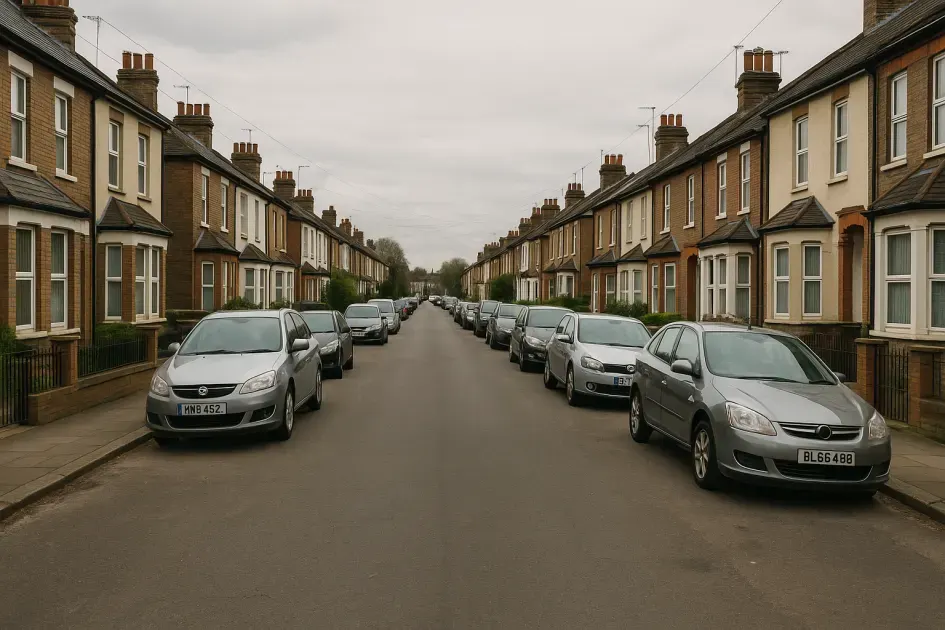
Moves often cost more than expected because the slowest parts are at the property, not on the road. In Watford, permit zones and tight residential streets can push the van further from the door, turning a quick load into a long kerb-to-door carry. Stairs, narrow hallways, and waiting for lifts add handling time. Short journeys can still cost more if loading and unloading take longer than the drive. Scheduling pressure becomes clearer when viewed alongside Watford demand patterns at different times.
Distance matters less on local moves; it’s the minutes lost to access, packing density, and building rules that build the total. Stairs increase cost because crews must carry in smaller batches. Parking restrictions increase cost by forcing bay searches, walk-ups, or shuttling from a distant space. Lift bookings create tight loading windows; missed slots lead to idle time and rescheduling. That pattern is also reflected in how neighbourhood layout changes moving time. A useful local example can be seen in man and van services in North London.
What affects cost planning for moves in Watford
| Cost driver | What changes the time | Why it affects total cost |
|---|---|---|
| Parking access | Permit zones, limited bays, narrow streets forcing distant parking | Longer kerb-to-door carries and potential shuttling extend labour time, raising the overall bill |
| Building layout | Stairs, tight turns, long corridors, lift capacity and booking windows | Items move in smaller batches and crews may wait for lifts, slowing the workflow |
| Van size / movers | Too-small van needs extra trips; too few movers slow handling; large vans may face access limits | Efficiency gains or losses change hours worked more than the base rate differences |
| Route timing | School-run congestion, retail-area traffic, roadworks and delivery windows | Unpredictable drive times reduce scheduling flexibility and add idle or driving time |
Typical move price patterns in Watford
As moves grow in volume or complexity, duration scales quickly because the crew spends more time handling items and negotiating access. Two similar homes can cost very different amounts if one has driveway parking and a lift, while the other has permit bays and stairs. Labour time is the key driver.
| Move type | Typical time range | What affects duration |
|---|---|---|
| Room or studio, close parking | Short window | Direct door access, boxed items, minimal furniture |
| One-bed flat with lift | Half-day window | Lift booking/control, loading bay use, carry distance to bay |
| One-bed flat with stairs | Extended half-day | Stairs slow batching, tight turns, parking distance |
| Two-bed house, local | Most of a day | Furniture disassembly, driveway vs on-street parking, route timing |
| Larger home across town | Full day | Volume, multiple trips if van access limits, peak traffic |
Cost examples by move type
Example 1: Small flat share move with driveway parking
A few boxed items and light furniture from a room to a nearby address with driveway parking at both ends. Short carry and simple layout keep handling quick, so fewer labour hours are required.
Example 2: Small move with permit parking at drop-off
Similar volume, but the destination uses permit bays. The van may park further away or spend time finding a legal spot. Longer carries and bay hunting extend the schedule and increase total cost.
Example 3: One-bed flat between apartment buildings with lift control
Volume suits a mid-size van. A lift is booked at pick-up, but the destination loading bay is shared and can require queuing. Lift windows and potential waits add stop-start delays, increasing labour time.
Example 4: Two-bed terrace to semi on a narrow residential street
Heavier items and some disassembly needed. Limited on-street space means careful positioning and possibly reserving a space. Narrow access and furniture prep slow loading, extending hours despite a short drive.
Example 5: Top-floor flat without lift and a managed loading bay
Multiple flights of stairs require smaller, repeated carries. The destination has a timed loading bay with building rules. Stairs plus a strict bay window and peak-route traffic significantly increase handling and waiting time.
How to keep the move efficient
- Permit-only streets → Arrange visitor permits or a bay suspension so the van can park close to the door.
- Long kerb-to-door carry → Reserve space with cones where allowed and stage items near the exit to reduce walking time.
- Stairs and tight turns → Pre-measure large items and disassemble wardrobes/beds to speed handling.
- Lift control → Book the lift and loading bay, notify reception/security, and have fobs/keys ready.
- Loose small items → Pack into sealed, labelled boxes and group by room to cut loading pauses.
- Traffic peaks → Choose mid-morning or early afternoon slots to avoid school-run and commuter congestion.
- Building rules → Confirm loading hours and insurance requirements in advance to avoid last-minute delays.
- Multiple stops → Provide the exact sequence, access notes, and any gate codes so the route runs predictably.
Local context: Watford includes permit-controlled streets near the centre, tight terraces, and suburban cul-de-sacs. Apartment complexes may require lift or bay bookings, while outer areas can involve longer carries from street parking. These differences change how long crews spend loading and unloading.