What matters operationally
Route predictability in Watford hinges on when you cross the Ring Road, how you approach central streets, and whether a legal loading spot is available near the entrance. Traffic timing affects engine-off time and bay availability; arriving at peaks often pushes the van to stage farther away, increasing carry distance and extending the schedule. Loading access then dictates how quickly items reach the lift or stairs, setting the pace for the entire move and determining total duration. Those access constraints feed directly into how moving costs are shaped by access and time.
How to plan around restrictions
Check route timing against commuter peaks, school-run periods and any event days, then confirm which streets or bays allow loading at your arrival window. Line up a primary bay and a fallback option on a nearby side street. Build buffer time for ring-road delays and coordinate with building management so lift or concierge access matches the van’s Eta. Include Clean-air and access rules in Watford in your pre-move checks alongside timed bays, council bay suspensions and managed-building procedures. The timing side of that is explored further in when Watford moves tend to take longer. That is visible in areas such as man and van services in North London. One practical example appears in man and van services in Pinner.
Eight route-planning variables in Watford
Traffic timing patterns
Commuter peaks, school runs and local events can slow movements on the A411 Ring Road and key approaches. Arranging arrivals outside these windows keeps vehicles moving and improves the chance of securing a closer loading spot.
Central access constraints
One-way systems, turn bans and pedestrian-priority streets in central Watford channel vans onto set approaches. Plan the inbound leg to match legal turns and pre-identify the last workable drop-off before foot-only zones.
Kerbside loading conditions
Timed bays, short-stay limits and double-yellow loading permissions define how near the van can stop. Missing a loading window often means a longer kerb-to-door carry, which slows each shuttle and extends unloading.
Building access limitations
Concierge hours, lift reservations and loading-dock rules can fix your start time. If a lift is busy or a keyholder is late, the team may wait or take stairs, increasing handling time and fatigue.
Route predictability and delays
Roadworks, temporary signals and incident diversions create last-minute detours. A tested primary route plus a mapped backup keeps the van moving if a lane closes or a junction clogs unexpectedly.
Vehicle suitability and access
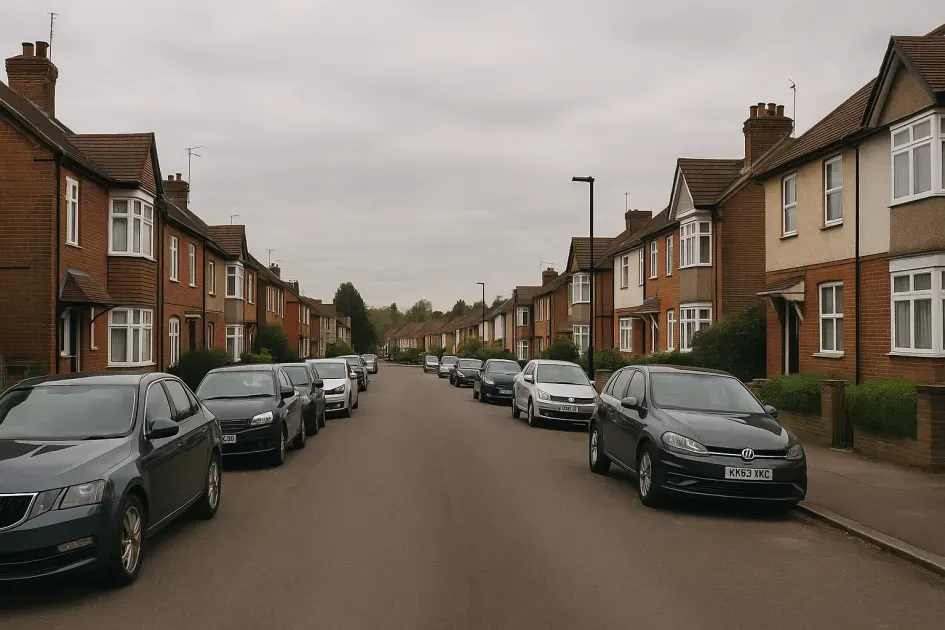
Height limits, tight turns and narrow residential streets influence whether a larger van can reach the door. If access is tight, a smaller vehicle or a short walk-in from a wider road may save time overall.
Parking and permit constraints
Permit-only zones and controlled hours require visitor permits or temporary bay suspensions. Without these, the van may stage away from the entrance, increasing shuttle distance and reducing loading efficiency.
How clean-air or charge-zone rules affect moves in Watford
No active clean-air or charge zone currently applies in Watford. Central operations still hinge on timed loading, building procedures and ring-road flow. Plan routes to avoid peak congestion, confirm legal bays, and align vehicle size with street geometry so access and timing remain predictable.
Practical route-planning examples
Example 1: A terraced street near Oxhey has permit-only parking. Secure a visitor permit or a temporary bay suspension close to the door; otherwise the longer carry from a distant spot extends unloading.
Example 2: A flat near the High Street needs lift access and a timed loading bay. Reserve the lift and confirm the bay’s window; arrive off-peak so the van can enter, unload continuously, and exit before the next booking.
Example 3: A cross-town move to Rickmansworth crosses the Ring Road during school-run traffic. Reroute via less congested approaches and shift arrival earlier to stabilise timing and reduce stop-start delays.
Example 4: A house move by Cassiobury Park faces narrow streets and limited turning space. Use a smaller van or stage on the wider approach road and shuttle; pre-walk the route to minimise reversing and repositioning.
Example 5: On a football event day near Vicarage Road, plan an early load-out and a city-edge meeting point. This keeps the van clear of crowd-related slowdowns and protects timing at the next address.
Practical route-planning checklist
- Permit-only or controlled streets → Arrange visitor permits or a bay suspension and display approvals so the van can stage closest to the entrance.
- Timed loading bays → Photograph signage, target arrival inside the window, and note a fallback bay to avoid circling if the first spot is taken.
- One-way systems and restricted turns → Pre-test the inbound route and share exact approach instructions to prevent illegal or time-wasting detours.
- Managed building access → Confirm lift/dock slots and a keyholder contact; stage items near the lift to use the slot efficiently.
- Event or school-run congestion → Check local schedules and adjust the start earlier; set a backup route that skirts expected bottlenecks.
Apply neighbourhood context
Conditions shift across nearby areas; factor local street width, parking rules and central access when planning multi-stop moves from Watford into adjacent neighbourhoods.