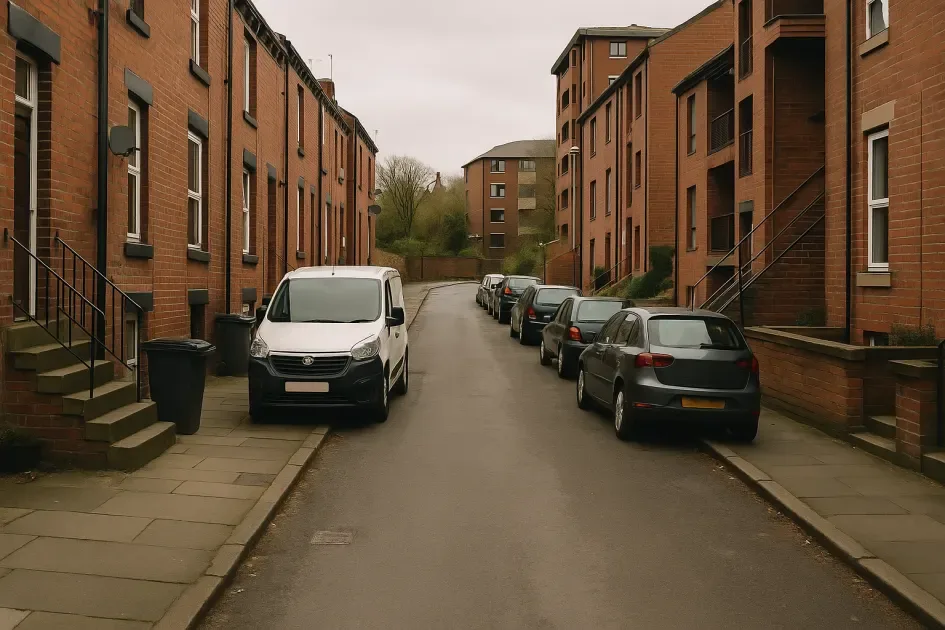
Kirkstall Hidden Moving Costs – Delay Risks That Quietly Push Costs Up
If the expected gate or entrance is unavailable, describe the lawful alternative and its whole carrying route before assuming the original setup still suits it.
Editorial review:
Keep the original gate, route and goods description so a changed Kirkstall access arrangement can be assessed before the old booking plan is relied on.
On this page
Retain the version that shaped the booking
Save the full inventory, prepared dimensions, both addresses, actual entrances, lawful loading places and room routes. Record the chosen vehicle, preparation, help, stops, selected services and booked time, including the contact responsible for each gate, lift or shared door.
Mark access that is still pending. An apparent nearby parking space or regularly open courtyard does not establish the route used in the quote. Keep any issued street arrangement and private admission conditions with the same dated brief.
Describe the alternative before discussing its effect
If a gate cannot open, say where the vehicle can lawfully stand instead and trace every changed outside and inside stage to the goods. Give extra steps, doors, gradients, limiting turns and the current opening contact. Check whether the prepared furniture and chosen help still suit that route.
Repeat any affected receiving check. With customer loading and unloading, sufficient people are needed throughout both complete carries and relevant stops; a contact resolving entry may not help carry. Report changed seller, tenancy, keyholder, building or facility limits promptly.
Separate extra preparation from extra moving time
Identify furniture that now needs a different prepared form, or boxes and finishing work added to the plan. The paired packing and unpacking service, item disassembly and item assembly may be agreed at any declared moving stop subject to eligible provider availability. Packing/unpacking share one selection, allowance and rate.
Optional work uses separate 30-minute blocks of elapsed team time at the booking rate apart from loading/unloading. Describe the actual items, task, stop and time; supply materials unless agreed otherwise in writing and flag specialist tools in advance. A longer allowance alone cannot resolve an uncertain item fit or private-entry decision.
Ask about work, additional time and outside charges separately
Ask support how the new load, gate, route, help, stops or tasks affect the booking setup and price. Then check time beyond the booked allowance at the shown half-hourly additional-time rate. Use How pricing works for the distinction from applicable outside parking or journey charges.
Check a changed street arrangement with its issuer, including any amended vehicle, location or period. Ask what each actual charge covers and who arranges it. Keep the complete sequence and fixed limits in the review, from admission and preparation through all stops, travel, unloading, room placement and selected finishing.
Keep the amended access brief with the response
Hypothetical example: the expected courtyard entrance to a Kirkstall flat cannot admit the van. The customer obtains a lawful outside loading option and supplies the longer passage-and-stair route, the prepared bookcase and enough chosen help. Support reviews the changed work and timing before the earlier access plan is relied on.
It may change the actual carrying route or cause waiting, so contact the person controlling the gate and send support the confirmed alternative. Include its lawful vehicle position, full carry, prepared items, help and access period. Ask how the changed work and any additional time are handled rather than assume a standard courtyard charge.
Sources and further detail
Actual entrances, complete carries and connected room delivery