Morningside Moving Costs – Typical Prices and What Changes the Total

Morningside moving costs usually rise or fall with working time rather than headline mileage. A short trip can still take longer than expected when loading starts slowly, the van cannot sit close to the door or the route through the building is awkward.

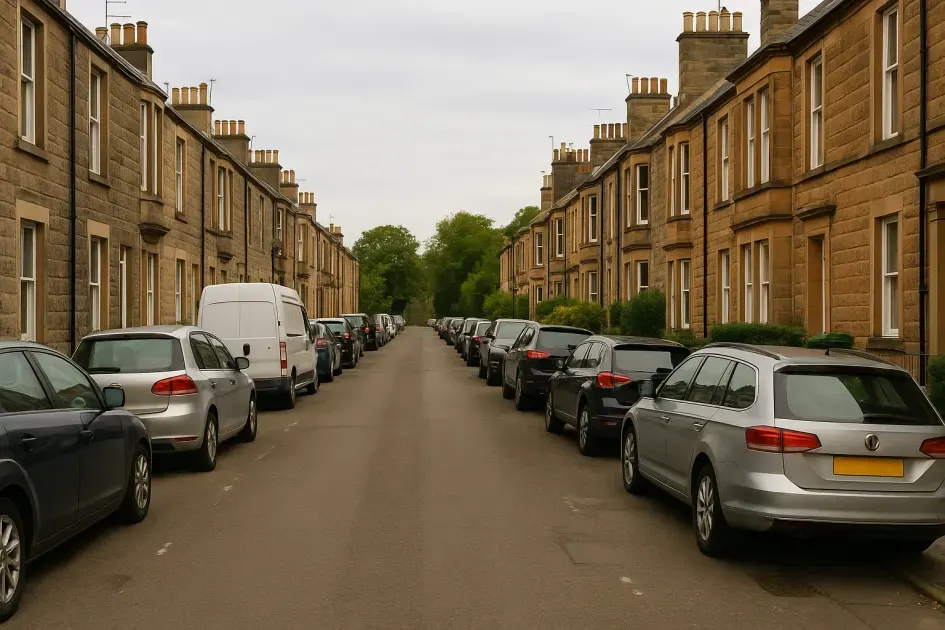
In Morningside, the local housing stock is traditional flats above shops, period homes and shared stair buildings on residential side streets. That mix changes costs because crews often have to deal with upper-floor carries, narrow hallways and entrances that sit a little back from the nearest stopping point, so the price is shaped by handling time, not just distance between addresses.

When you are ready to move from cost research to the main move page, start with Morningside man and van service.

For the wider picture across the area, refer to moving costs in Edinburgh.

Quick summary

  • Short urban moves are often priced by time, access and van position rather than miles alone.
  • The biggest swing factor is usually how smoothly crews can work through upper-floor carries, narrow hallways and entrances that sit a little back from the nearest stopping point.
  • Kerb access in Morningside is often affected by controlled bays, busy kerbs near local shopping stretches and limited room for standing outside for long.

Why moving costs behave differently in Morningside

Cost behaviour in Morningside is also affected by controlled bays, busy kerbs near local shopping stretches and limited room for standing outside for long. One of the most reliable moving rules is that loading time often matters more than the drive itself, especially on compact urban jobs.

You will often need to consider For a fuller cost picture, read this alongside hidden moving costs in Morningside and parking permits for moving in Morningside. at the same time.

Using one managed booking platform helps keep the scope clear, but the total still depends on how cleanly the job can be loaded, moved and unloaded on the day. If you are weighing up a Morningside move, access usually matters more than how short the drive looks on a map.

Local examples and planning scenarios

A one-bed flat can look simple on paper yet run longer when furniture has to be carried in stages, lifts are shared with other residents or the van stops half a street away. Those are normal operational issues, not unusual extras.

For cost detail that often sits beside this issue, compare hidden moving costs in Morningside and parking permits for moving in Morningside. When you are ready to return to the main service page, go back to man and van services in Morningside.

Practical advice before booking

  • Confirm the actual stopping point, not just the postcode.
  • Flag stairs, lift rules, entry systems and any long internal walk before the booking is finalised.
  • Mention anything bulky that may slow loading through shared hallways or tight corners.
  • Where possible, avoid the busiest local windows created by school-run traffic and busier daytime trading periods.

This page is here to help you judge what shapes the budget. When you are ready to book, move back to the main service page rather than treating the support page as the transaction page itself.

Move size Typical range What usually affects it
Studio / small 1-bed £140–£280 variable lift access and limited on-street stopping.
1–2 bed flat £260–£480 Carry distance, stair cycles, lift access and van positioning.
2–3 bed home £420–£780 Furniture volume, loading distance, disassembly needs and timing pressure.

Morningside Moving Costs FAQs

Common questions about how moving costs change in Morningside.

Often, yes. In Morningside, the cost of a short move is usually shaped by loading speed, access and van position more than by the miles on the route.

They often do. Flats and managed buildings in Morningside can add time through shared access, lift coordination and longer walks from the practical loading point.

Yes. When the van cannot hold a sensible loading position, the crew loses time to extra carrying and slower handling cycles.

The final total usually changes when the real route through the property is slower than the booking first suggests, especially where stairs, entry systems or kerb access add repeated delay.

The best step is to describe the access honestly from the start and confirm where loading will actually happen. Good information is what usually keeps the job within range.

It often can be easier to run because the access is calmer and the loading rhythm is more predictable, though the best slot still depends on the building and street conditions.