Taking furniture apart can change its shape while leaving a rigid panel that still needs checking. Record the largest remaining piece and all its components through both routes.
On this page
Identify the actual goods route
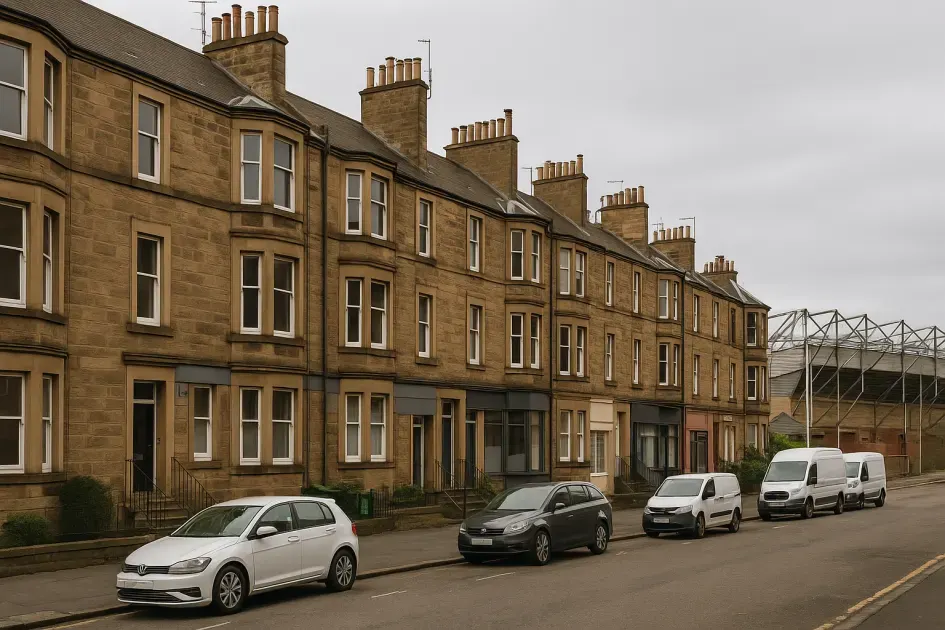
Confirm the residential entrance with the person controlling admission, then trace the route from the furniture’s room to the lawful van position. Include inside doors, stair turns, landings, outside steps and distance. HES’s description of the named Gorgie Road building distinguishes a stair door from adjacent shops; check your own property’s current arrangement independently.
Use the loading guide to settle the street position and private route permission. Keep goods inside until handling begins and shared access clear.
Measure the piece remaining after preparation
Record assembled and prepared dimensions, known weights or manufacturer information, and the full set of panels, shelves and fixings. Include protective wrapping in the size record. Check a bookcase side or bed base against the room exit and turns beyond it, not only the width of the outside door.
The furniture route checklist helps prepare photographs and measurements for assessment. More helpers do not establish that a long panel can turn or that specialist handling is available.
Check the receiving route and help independently
Follow the same prepared piece through the destination’s door, corridor, stairs or usable lift into its final room. Confirm space for selected assembly and where components can be kept inside. Choose enough booked or customer help throughout both complete carries; the person identifying the receiving household is not automatically a helper.
Give support heavy pieces, uncertain fit, specialist needs and seller appointments, key-handover deadlines and building access periods before booking. Settle an assessed alternative before releasing goods if the proposed route cannot be used.
Put accepted preparation into the full operation
Optional item disassembly and item assembly, and paired packing and unpacking, can be booked at any agreed stop subject to eligible provider availability. Optional work uses separate 30-minute blocks of elapsed team time at your booking rate, apart from loading and unloading without duplicate travel; packing and unpacking share one selection, allowance and rate. Supply materials unless otherwise agreed in writing, and have instructions and fixings ready. Drivers bring standard tools; agree specialist tools in advance.
Allow time to get in and check all the goods and their parts. Finish any remaining agreed preparation before carrying the items that need it. Include the full collection carry and loading, the journey and every agreed stop. At each delivery, allow for access, unloading and carrying the goods into their agreed final rooms, followed by any selected finishing work. Keep sufficient help through both routes and give fixed limits to support before booking; collection arrival is not completed delivery.
Hypothetically, a bookcase side leaves the flat but will not turn into the receiving room. Keep the prepared-piece record, two routes and agreed work, with that question resolved before booking. The preparation checklist keeps the accepted pieces and parts accounted for through receipt.
Common questions
Does the man and van booking reserve a lift or parking bay?
No. Arrange any street position and lift use with their respective controllers, including the vehicle, working period and permitted furniture route. Confirm dimensions and access separately; a reserved lift or bay does not establish that the prepared item will fit.
Where should I check the local arrangements?
Use Edinburgh’s current guidance for the stopping position, then ask the property controller which door, stair or lift may carry the furniture. Record the actual clear openings and turns for assessment, rather than using a street permission as a fit decision.
What information should I give the booking team?
Give the largest prepared piece and all components, dimensions including protection, photographs and measurements of both full routes, the lawful positions and receiving room. Include preparation responsibilities, sufficient help, fixed limits and any fit or specialist uncertainty before booking.
Sources and further detail
Gorgie furniture-and-parts planning. The HES record concerns one named listed building and is not a survey of current Gorgie homes or permissions. Confirm your actual doorway and routes. Examples are hypothetical.
Quote the prepared furniture and routes
Use the Gorgie page with the assessed pieces, preparation and help at both ends.
Plan your Gorgie furniture move