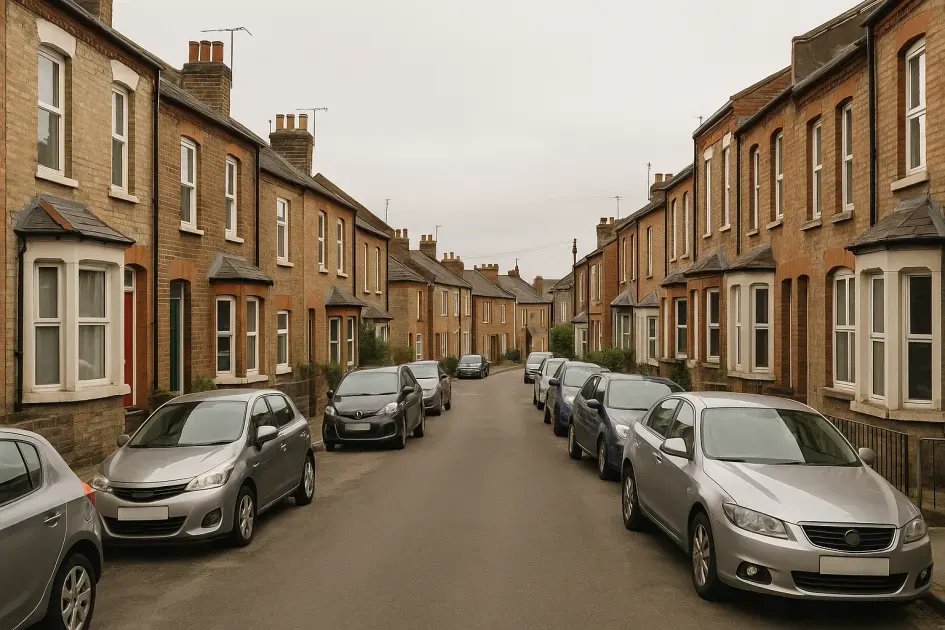
Begin at the furniture, not a frontage photograph. Describe the actual doors, levels, turns, contacts and any building period so the moving plan can be assessed before you depend on it.
On this page
Find the goods door and the person who opens it
Record where each part of the load starts: a room, another floor, an agreed outbuilding or a seller’s separate collection point. Ask which door the furniture may use and who can admit the moving team. A shop name, flat number or shared postcode may describe only the frontage, while the actual goods entrance is elsewhere.
Bristol’s October 2022 deliveries and servicing guidance distinguishes vehicle access, loading location and the route used by people. It is design guidance, not permission to enter a particular existing yard or use its equipment. For a collection at commercial premises, obtain that site’s actual instructions and describe the receiving home independently.
Choose the street-space process for the actual position
Bristol City Council separates designated-bay suspensions from dispensation and coning requests. Its application instructions ask for vehicle registrations and supporting information. Follow the process for the proposed position and activity, retain the application details and check its conditions. The council says it does not contact applicants simply to confirm approval; use its current instructions rather than waiting for an approval message.
A Bristol service-area label does not make Bristol City Council responsible for every journey address. Check the actual authority for a stop in South Gloucestershire or North Somerset. Agree private standing, a gate or a managed building’s access separately; a road arrangement does not supply those permissions.
Measure the complete carries for the same prepared pieces
Trace the route from each starting room through doors, stair turns, landings and shared entrances, then any outside steps, slope or gate to lawful loading. Measure furniture in the form agreed for transport, including projections and removable sections. Keep the handling space and permitted shared route usable while preparing boxes.
Repeat the check at delivery into the final room. For a lift, confirm permitted use and its door, cabin, approach and exit; the existence of a lift does not describe those stages. The prepared-furniture access method helps record photographs and dimensions for support to assess an uncertain fit before booking.
Keep access and carrying help available until the work finishes
Select help for both complete carries, loading and unloading at every relevant stop. With customer loading, provide sufficient people throughout at collection and delivery. Name the person opening the property separately from the carrying helpers: keys and physical assistance are different parts of the plan.
Packing/unpacking share one service selection, allowance and rate. The paired service, item disassembly and item assembly may be agreed at any declared stop subject to eligible provider availability, in separate 30-minute blocks of elapsed team time at the booking rate. Include agreed preparation before the carry that depends on it and finishing after placement, rather than treating loading help as preparation.
Carry one access record into the booking brief
Hypothetical example: a table collected from a Bedminster address is going to a Redland room. The seller confirms its prepared form and permitted exit; the receiver checks the same pieces through its own entrance and turns. The lawful stopping positions, opening contacts and selected help remain with that single item record.
Give seller release appointments and deadlines, keyholder availability and any key-handover deadlines, building access periods and facility access periods to support before booking. Plan admission and goods checks, remaining agreed preparation, both complete carries, loading, every stop and travel, receiving admission, unloading, final-room placement and selected finishing. Arrival is not completed delivery. Use Bristol handover scheduling for the connected sequence, vehicle and approach checks for the roads, and quote preparation for the same work. Bring the record to Bristol man and van.
Bristol access questions
Use the answers to complete the street-to-room record for both properties.
How does neighbourhood layout affect moving time in Bristol?
Start with the actual goods entrance and room route at each address. A longer outside carry, stairs, turns or a controlled door changes the work even on a short journey. Give those details with the prepared load and selected help instead of using the neighbourhood name as an access description.
How do parking access rules influence a move?
Identify the road controller and the proposed loading activity. Bristol distinguishes a designated-bay suspension from dispensation or coning requests; follow the relevant current process. Then agree private entry separately and describe any lawful alternative position with its complete carry.
Why can short distances still take longer than expected?
A short drive still leaves admission, goods checks, preparation, carrying, loading and receiving-room work. Check the same item through both properties and connect any fixed access limits before booking. Map distance alone does not establish the time needed to finish those tasks.
What role does housing density play in scheduling?
Use the actual shared space and controller’s instructions rather than a density label. Ask how doors, stairs or lifts can remain available while furniture and boxes move, and keep preparation out of the carrying route. Pass unresolved access or help requirements to support before booking.
How do building rules and managed access change timing?
Establish the permitted entrance, opening contact, documents and any lift or bay period. Connect those conditions to the complete work through final-room placement and selected finishing, with access and enough carrying help available throughout. Check-in or van arrival is not finished delivery.
How do local traffic patterns affect arrival and loading?
Check the current permitted approach for the actual date and vehicle, then keep its travel stage connected to the two access records. A traffic label cannot predict the delay for your booking. Report a changed entrance or lawful stopping point so the carry and timetable can be reassessed.
Sources and further detail
Bristol-wide practical moving guidance. Examples are hypothetical; confirm the actual address, authority, vehicle and property arrangements. University instructions apply to the accommodation they describe.
Plan your Bristol move
Use the complete load, both access routes and selected work for your price.
Plan and price your Bristol move