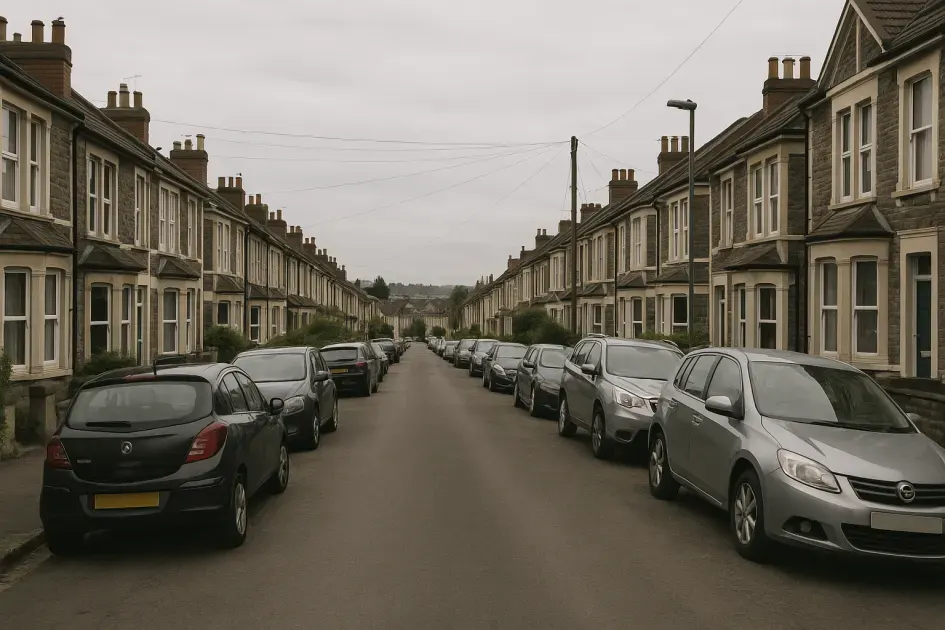
What matters operationally
Route predictability underpins moving duration. Fewer turns, fewer restrictions and steadier flows keep loading continuous. Traffic timing shifts set-down feasibility: commuter peaks and school-run surges slow approach roads and compress arrival windows. Loading access governs the last stretch of the job, because timed bays, kerb blips and pedestrian areas either enable a quick lift-to-van cycle or force a longer carry that adds repeated handling. The timing side of that is explored further in when Bristol moves tend to take longer.
How to plan around restrictions
Time your route checks against commuter and school peaks, and scan event calendars for waterfront or stadium activity. Confirm loading arrangements in advance: know bay hours, vehicle height limits and any required building check-ins. Add buffer time for narrower streets and one-way loops, and coordinate access by confirming lift reservations, door-staff notifications and a clear kerb approach. Clean-air and access rules in Bristol are covered in the variables section so you can integrate them with traffic and building logistics. Those access constraints feed directly into how moving costs are shaped by access and time. That is visible in areas such as man and van services in Bedminster. One practical example appears in man and van services in Bishopston.
Eight route-planning variables in Bristol
Traffic timing patterns
Commuter peaks, school runs and event traffic on waterfront and stadium routes add queuing and reduce flexibility. Aim arrival before peaks or just after the initial surge to protect your loading window.
Central access constraints
Pedestrian zones, bus gates, one-way systems, bridge restrictions and delivery windows can block direct access. Pre-map legal approach corridors and identify a nearby staging street if the frontage is controlled.
Kerbside loading conditions
Signed loading windows, double-yellow kerb blips and narrower kerbs dictate safe set-down. If timings are tight, stage items inside the building lobby and synchronise van arrival to the permitted window.
Building access limitations
Lift bookings, loading bay reservations, height limits and security check-ins add steps before the first load moves. Reserve slots, note clearance heights and brief drivers on bay entry routes and sign-in points.
Route predictability and delays
Bridge works, city-centre diversions and weekend events reduce predictability. Prefer primary A-roads with steadier flow, keep a signed alternate crossing, and monitor live updates so you can swap routes early.
Vehicle suitability and access
Larger box vans may struggle with tighter turns and height barriers, while longer wheelbases increase reversing risk on terrace streets. Match vehicle size to street geometry or use a shuttle from a wider road.
Parking and permit constraints
Resident Parking Zones and pay-by-phone bays limit dwell time. Secure a visitor permit or session tied to the registration and place clear move-day notes to avoid misunderstandings while loading.
How clean-air or charge-zone rules affect moves in Bristol
\nIn Bristol, ULEZ and other access restrictions can affect route planning, access, timing, and vehicle choice on moving day.
At present, no active clean-air or charge zone currently applies in Bristol. Central moves still hinge on timed loading bays, bus gates, bridge or height limits, and managed building procedures. Plan a legal approach route, confirm loading windows, and select a vehicle that fits the street geometry so your schedule remains predictable without last-minute diversions.
Practical route-planning examples
Example 1: Bedminster terrace with resident parking and school-run traffic. Arrange a visitor permit, target arrival after the drop-off surge, and use a shorter wheelbase van to reduce reversing time.
Example 2: Redland flat without a lift. Reserve a close set-down, stage items at the entrance, and route via steadier roads to avoid hill-start queues that delay shuttle runs.
Example 3: City-centre managed building. Confirm loading-bay booking, height clearance and security check-in, then approach from the signed delivery corridor to keep the bay window productive.
Example 4: Bishopston narrow street with cycle lanes and parked cars. Select a smaller van or use a shuttle from a wider side road, and schedule off-peak to reduce conflict at tighter pinch points.
Example 5: Southville to central route during a waterfront event. Bypass riverside roads, arrive earlier to secure legal set-down, and keep a pre-planned alternate crossing ready if queues build.
Practical route-planning checklist
- Timed loading bays → Confirm hours with building staff or signs, and align ETA to the window so continuous loading is protected.
- Resident or meter-controlled streets → Secure a visitor permit or pay-by-phone session tied to the registration, then position the van for the shortest safe carry.
- Narrow terraces and tight turns → Choose a shorter wheelbase or run a shuttle from a wider road to avoid lengthy reversing and blocked approaches.
- Lift limits or stair-only access → Reserve the lift or clear stairwells, and stage items at ground level so handling starts immediately once the van is at the kerb.
- Event days and scheduled works → Check notices and live traffic, set an earlier start, and pre-map an alternate crossing to keep arrival predictable.
Apply neighbourhood context
Street layout, parking controls and loading space vary by area, so check local patterns and match vehicle size and timing to each neighbourhood’s access reality.
We provide man and van services across the wider area, including man and van services in Brislington, man and van services in Cotham, man and van services in Emersons Green, and man and van services in Filton, with bookings managed through one system coordinating bookings with pre-checked drivers.