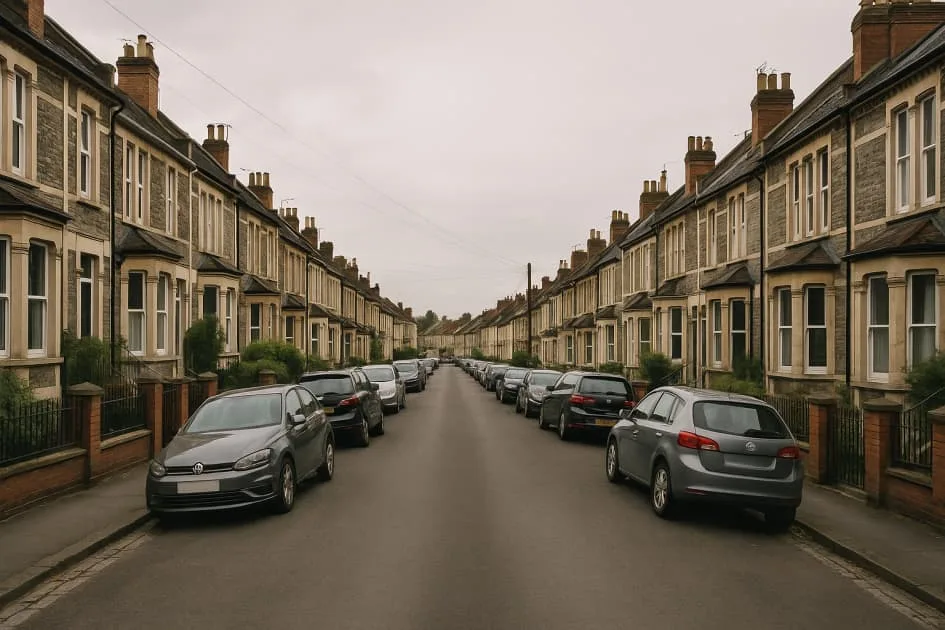
What affects cost planning for moves in Bristol
Moves cost more when handling takes longer than expected. Long kerb-to-door carries, stairs, tight corridors or smaller lifts slow each loading cycle. Permit-only streets or time-limited bays can force the van to park farther away, adding walking time and reducing loading speed. Lift bookings and managed-building rules create fixed windows and potential waits. Traffic timing across the city also changes driving time and can push loading into less efficient parts of the day. Part of that broader picture comes from how route planning affects Bristol moves. Scheduling pressure becomes clearer when viewed alongside Bristol demand patterns at different times.
Distance has less impact than handling. A short journey can still be costly if access is poor and items require extra handling or dismantling. By contrast, a longer route with excellent loading access at both ends can run efficiently and use fewer hours. Similar time pressures can also appear in man and van services in Bishopston. Loading time usually outweighs driving time, which is why access notes make such a big difference to cost.
What affects cost planning for moves in Bristol
| Cost driver | What changes the time | Why it affects total cost |
|---|---|---|
| Parking access | How close the van can legally stop and the kerb-to-door carry distance | Long carries reduce items moved per cycle, adding walking time and extending labour hours |
| Building layout | Stairs, tight corridors, lift size, and lift booking windows | Stairs and waits slow handling; small lifts require multiple trips; fixed windows create idle periods |
| Van size / movers | Capacity for one-load moves and whether two or three movers are assigned | Right-sized vans and adequate crew reduce trips and handling; under-sizing creates extra cycles |
| Route timing | School-run peaks, events, and roadworks along the route | Unpredictable traffic adds driving time and can shift loading into less efficient windows |
Typical move price patterns in Bristol
Because labour time drives cost, moves scale with duration. Short, simple jobs fit into a brief window; added constraints push the same load into a longer one. Two similar addresses can lead to very different totals if access, layout or timing changes the handling rate. That pattern is also reflected in how neighbourhood layout changes moving time.
| Move type | Typical time range | What affects duration |
|---|---|---|
| Single items or small part-load | Brief window | Proximity of parking, lift availability, and door-to-van carry |
| Studio or easy 1-bed flat | Half-day | Ground-floor access, short carry, and straightforward furniture |
| 1-bed with stairs or permit street | Extended half-day | Stairs, long carry from legal bay, and potential permit checks |
| 2-bed house or flat | Most of a day | Volume of goods, dismantling needs, and narrow street approach |
| 3-bed or multi-stop move | Full day or more | Multiple addresses, loading bay bookings, and traffic timing |
Cost examples by move type
Example 1: Studio to storage with driveway access
Ground-floor to ground-floor, both with driveways. Short carry and no stairs keep loading cycles fast, so fewer labour hours are needed and the cost stays contained.
Example 2: Small flat on a permit street with long carry
Terraced street with permit-only bays means legal parking is farther away. Each item is carried further, adding walking time and increasing total hours despite a short driving distance.
Example 3: 1-bed flat with a small lift and tight corridors
A compact lift allows only a few boxes at a time and may create queues at busier periods. Waiting and multiple lift trips slow handling, extending the schedule and the overall cost.
Example 4: 2-bed house across the city during school-run traffic
Larger volume needs a bigger van and at least two movers. Peak-time congestion lengthens the route, and a narrower destination street requires careful positioning, adding setup time and extending labour hours.
Example 5: Large flat into a managed block with a booked loading bay
The origin has stairs and bulkier items that need partial dismantling. The destination requires a specific loading-bay slot and lift key. Any overrun causes waits or rebooking, pushing the move into a longer window and raising cost.
How to keep the move efficient
- Permit-only or timed bays → Arrange a visitor permit or bay suspension in advance and confirm the exact loading point with building management.
- Long kerb-to-door carry → Stage items near the exit, use robust boxes and trolleys, and group loads by room to cut return trips.
- Stairs or tight corridors → Pre-measure large items, remove legs and loose shelves the day before, and protect corners to avoid slow manoeuvres.
- Lift booking windows → Reserve the lift and key, prioritise the heaviest items during the slot, and keep someone at the lift to reduce waits.
- Narrow streets or height limits → Plan an approach route, identify a safe turning point, and set an alternative drop spot if access is blocked.
- Route unpredictability → Avoid school-run peaks where possible and leave a buffer between key collection and mover arrival to prevent idle time.
- Mixed destinations (home plus storage) → Label by destination and load in destination order so unloading runs in single passes.
- Accurate inventory and photos → Share clear counts and access photos beforehand so van size and crew are right first time.
Bristol’s neighbourhoods vary: terraces and permit streets near the centre, tighter residential roads in older areas, and different loading rules in managed buildings. Local access, parking and density shape how quickly each move runs.
We provide man and van services across the wider area, including man and van services in Staple Hill, man and van services in Bedminster, man and van services in Brislington, and man and van services in Easton, with bookings managed through one system coordinating bookings with pre-checked drivers.