Quick summary
Moves between neighbourhoods in Bolton can take very different amounts of time, even when the distance on the map looks modest. Parking access, property layout and street geometry usually decide how quickly loading and unloading can happen, while route predictability affects whether the van reaches each address on time. Loading time usually outweighs driving time.
Key facts
- Neighbourhood layout can change loading speed across Bolton.
- Parking access and street geometry affect where the van can stop.
- Property type changes how much stair work, lift use or carrying time is involved.
- Different local conditions can make similar-size moves take very different amounts of time.
On this page
How moving conditions vary across Bolton
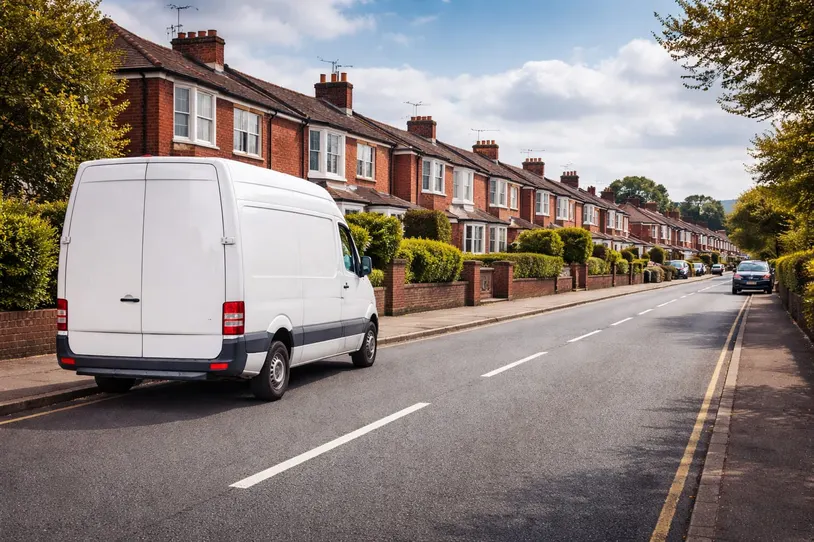
Inner Bolton often means terrace streets, tighter kerbside parking and less room to line the van up neatly with the entrance. Town-centre blocks can add another layer of complexity through lifts, concierge desks or managed loading arrangements. In suburban areas, semis and detached homes are more likely to have driveways or broader frontage, which shortens the carry and makes the day more predictable. That difference in access often matters more than the actual drive across the borough. A tighter-access contrast appears in man and van services in Farnworth.
Neighbourhood access patterns
Closer to the centre, paid bays, permit streets and busier corridors can reduce flexible stopping options. On older terrace roads, the van may need to load from the nearest legal space rather than directly outside, which adds repeated walking time. Suburban cul-de-sacs can be easier for parking, but only if turning space is workable. Major roads linking Bolton to the M61, A666 or surrounding towns can move well off-peak, then become much less reliable at busier times. Most delays come from access constraints rather than distance.
Property and loading differences
Terraces often come with short front paths, steps up to the entrance, tighter hallways and awkward turns for larger furniture. Flats vary more than people expect: one building may have a roomy lift and simple entry, while another uses key-controlled access, long communal corridors or a timed service entrance. Newer townhouses may offer driveway access but still involve several floors of carrying. By contrast, a semi with direct parking outside can keep the move flowing with fewer interruptions. The pricing effect is explained in how these conditions affect moving costs.
How to choose the right planning approach
Start with the most restrictive address and build the day around that. If one property relies on a permit bay, a lift booking or a narrow terrace street, that is the condition to protect first. A medium van may be more efficient than a larger one if it can stop closer. Where the carry is long, staging boxes by the door and using dollies can keep the work rate steady. If traffic is likely to interfere with arrival, shift the move away from the busiest window rather than trying to recover lost time later. This helps you avoid delays on the day.
City-wide baseline: time drives outcomes
Bolton combines terrace housing, town-centre apartments and more suburban streets with easier parking. Across all of them, moving time is usually decided by four things: where the van can stop, how crowded the kerb is, how simple the building is to work through, and how predictable the route is between addresses. Efficient moves protect short carries, uninterrupted loading and minimal vehicle repositioning.
Eight variables that change moving time locally
1) How permit parking delays loading
Permits and paid bays can force the van to park in the nearest legal space rather than the ideal one. That may only add a short walk, but repeated across a full move it slows every cycle and can even lead to re-parking if the stay is limited.
2) Why terrace streets limit van positioning
Narrow terrace roads with cars on both sides often stop the van aligning squarely with the front door. That makes bulky items harder to handle and reduces the efficiency of each trip between van and property.
3) How building layout alters carrying distance
Internal corridors, split levels, staircases and tight corners all add metres and handling touches. Even when the travel distance is short, the internal route can still be the part that stretches the move.
4) Why managed buildings introduce lift reservation delays
Lift bookings, concierge procedures and controlled service entrances can make a move more organised, but they also create fixed windows. If arrival slips, unloading often becomes slower and more stop-start.
5) How street width affects van access
Traffic-calming measures, parked vehicles and pinch points affect whether a larger van can reach the best position. In some cases a smaller van with easier access keeps the move faster overall.
6) Why route predictability changes travel time
Main roads can be efficient when clear, then much less reliable around school-run hours, commuter periods or local incidents. The real issue is not just the delay itself, but what it does to any booked bay, lift or handover time.
7) How loading bay rules affect unloading speed
Timed bays, service entrances and site supervision can slow the move if paperwork or access confirmation is not ready. Unloading works best when arrival, paperwork and bay window all line up cleanly.
8) Why neighbourhood traffic patterns delay moves
School streets, retail traffic and busier junctions can narrow the useful working window at the destination. A minor delay on approach often becomes a bigger delay once the best stopping point has gone.
Practical planning checklist
- If permit parking restricts kerb access, arrange the visitor permit or closest paid bay in advance so the van stops as near as possible.
- If lifts or concierge control access, confirm reservation windows, key release and service-entrance rules before move day.
- If terrace streets are narrow, choose a van that can approach without repeated manoeuvring or plan a short shuttle from a wider position.
- If school-run or commuter traffic affects the route, move the arrival outside peak periods to keep the access window usable.
- If the kerb-to-door carry is long, stage items at the entrance and use dollies or floor protection to maintain a steady flow.
Scenario examples
Example 1: Small room move between suburban semis using a small van with one mover. Driveway access at both ends keeps the carry short and the loading cycle quick.
Example 2: One-bedroom terrace move on a permit street using a medium van with two movers. The legal bay is slightly away from the door, so every trip takes longer despite the short drive.
Example 3: Two-bedroom terrace to town-centre flat using a medium van with two movers. Service-entrance rules and a lift window shape the unloading phase more than the road journey does.
Example 4: Three-bedroom semi to townhouse using a long wheelbase van with three movers. Peak-time congestion reduces arrival flexibility, even though the destination itself is relatively straightforward.
Example 5: Four-bedroom house to central apartment using a Luton van with three movers. A timed bay, shared lift use and controlled entry make sequencing just as important as vehicle size.
Apply neighbourhood context
Different parts of Bolton create different planning conditions. Some inner streets rely on permit bays and terrace access, while suburban addresses may offer driveways or simpler loading. The guides below explain how those local differences affect real moving-day planning. These neighbourhood differences make the most sense in the wider context of Bolton man and van services.
What to do next
Use this guide to check how different Bolton areas affect loading time, access and parking.
- Check whether your street has permit parking or narrow frontage access.
- Check your property layout with the linked area pages below.
- Flag stairs, tight corridors or long carries before booking.
- Use the main city page to get a quote based on the real move conditions.
Bolton neighbourhood moving FAQs
Key operational questions about access, loading and timing across different parts of Bolton.
How does neighbourhood layout affect moving time in Bolton?
It changes how quickly each load cycle can happen. Street layout, parking access and building design decide how close the van can get and how far items need to travel, so even short Bolton moves can take very different amounts of time.
How does parking access influence a move?
It sets the starting point for every carry. If a visitor permit, paid bay or legal stopping place is farther from the entrance, each trip becomes longer and loading efficiency drops.
Why can short-distance moves take longer than expected?
Because access often matters more than mileage. A nearby move can still run long if there are narrow streets, awkward stairs, timed bays or building rules slowing loading at either end.
How does housing density change the plan?
Higher density usually means tighter kerb space and less freedom to stage items. Terrace rows, flats and mixed-use streets often force longer carries or more careful van positioning than quieter roads with driveways.
How do building rules affect timing?
They introduce fixed windows and extra steps. Lift reservations, concierge sign-in or loading bay controls can all delay the start of unloading and reduce flexibility if anything slips.
How do local traffic patterns change scheduling?
They make arrival times less reliable. School-run peaks, commuter traffic and event-related congestion can all shorten the practical loading window and increase the risk of waiting or re-parking.
Plan your move in Bolton
Check the price and availability for your addresses, moving date and loading requirements. Book through Find My Man and Van; we allocate a suitable provider after booking.
Small local collection: £53.00 total — example for Bolton.
1 × small van; Customer Loading/Unloading; 5 miles, 1.5 hours, ground-floor access. Modelled for 2 December 2026. Your quote depends on your actual move details and date.
Providers covering the Bolton area
Local coverage is a guide, not a reservation of these providers. Explore local providers.