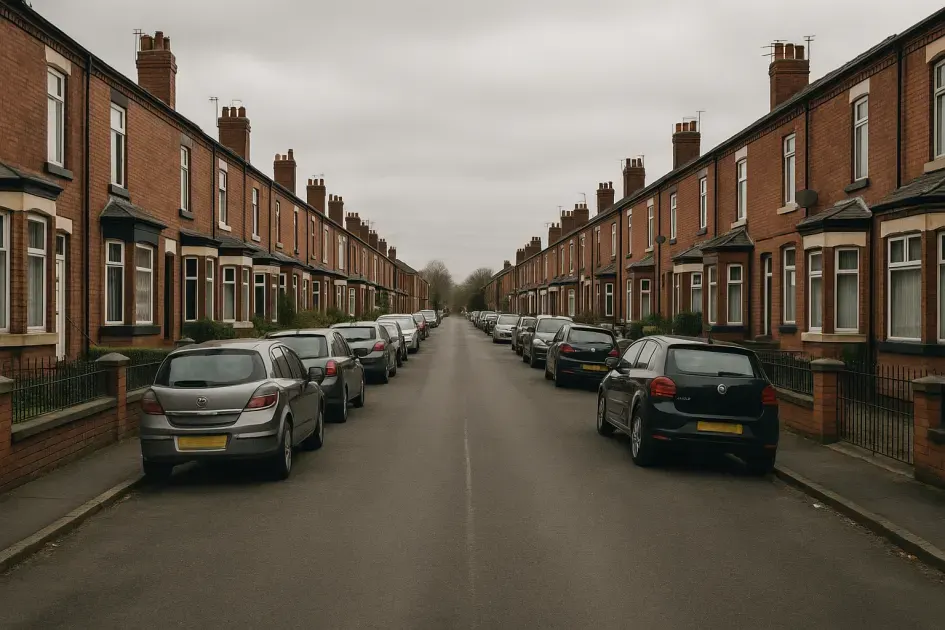
What affects cost planning for moves in Bolton
Moves are priced mainly around working time. The biggest cost drivers are usually the ones that slow the flow at the property itself: how close the van can stop, how far items need to be carried, and how easy the route through the building is. A short move can still cost more than expected if the crew is working from a bay down the street, carrying through a long communal corridor or dealing with repeated stair trips.
Van size and crew size matter too, but only when they fit the access conditions. A small van may mean extra trips; a larger one may be harder to place on a narrow road. In most cases, the best value comes from matching the vehicle and crew to the real constraints at both addresses. Travel timing and access windows are a major part of how route planning affects Bolton moves. You see the timing side more clearly in when scheduling pressure builds across Bolton.
What affects cost planning for moves in Bolton
| Cost driver | What changes the time | Why it affects total cost |
|---|---|---|
| Parking access | Permit streets, no‑stopping zones, narrow terraces forcing a distant park | Longer kerb‑to‑door carries slow each load cycle and extend labour hours |
| Building layout | Stairs without lifts, tight corners, long corridors, internal steps | More handling per item and reduced movement speed increases crew time |
| Van size / movers | Van too small requires shuttling; van too large may struggle to park; crew size affects loading rate | Right van and crew reduce trips and handling; mismatches add cycles and time |
| Route timing | School‑run peaks, weekend retail traffic, roadworks | Lower route predictability compresses loading windows and stretches the schedule |
Typical move price patterns in Bolton
Because labour time drives the bill, cost usually follows duration rather than mileage. Two homes of a similar size can land very differently if one has driveway access and the other relies on permit parking, stairs or a timed bay. If you are budgeting a move, this is what usually matters most. A local example of this is man and van services in Farnworth.
| Move type | Typical time range | What affects duration |
|---|---|---|
| Single bulky item or a few boxes | Brief window | Proximity of parking to door; stair count; fragility or awkward size |
| Studio/1‑bed flat with easy access | Half‑day | Driveway or close kerb space; straightforward internal routes |
| 1‑bed flat with stairs or permit street | Half‑day to most of the day | Stairs without lift; long carry from legal parking; visitor permits |
| 2‑bed terrace house | Most of the day | Narrow roads limiting van position; multiple rooms and disassembly |
| 3‑bed house or flat with managed access | Full‑day+ | Loading bay bookings, lift holds, item protection and route timing |
Cost examples by move type
Example 1: Small room move, driveway to driveway
Ground-floor pickup and drop-off with on-drive parking. Short carries and a simple path keep the labour window compact.
Example 2: Studio flat, first floor, no lift
The travel distance is short, but repeated stair carries slow the pace enough to extend the billed time.
Example 3: 1-bed flat across town, permit street at delivery
The route itself is manageable, yet the legal bay is farther from the entrance. That longer carry adds labour hours more quickly than the drive does.
Example 4: 2-bed terrace to semi-detached, narrow residential street
Street layout limits van positioning, so the move takes longer than the property size alone suggests. Handling time grows because every trip back to the vehicle is less efficient.
Example 5: 3-bed house to managed apartment building
The destination depends on a loading bay and a lift slot. If either one is mistimed, the move becomes more expensive through waiting and slower unloading.
How to keep the move efficient
- Permit or controlled parking → Arrange visitor permits or a temporary dispensation so the van can park as close to the door as possible.
- Long carry risk → Secure the nearest workable space and stage items near the exit before loading begins.
- Stairs or narrow corridors → Dismantle bulky furniture and protect edges early so crews are not losing time on awkward turns.
- Managed buildings → Pre-book loading bays and lifts and confirm the access window in writing.
- Traffic peaks → Aim for starts outside school-run and commuter peaks to protect arrival accuracy and bay access.
- Item volume and fragility → Group and label boxed items clearly so each load cycle is faster and more organised.
- Accurate details in advance → Share floor levels, parking rules, lift access and any long carries so the right van and crew are allocated.
Bolton neighbourhoods vary more than many people expect. Some addresses are straightforward with driveways or easy frontage, while others involve permit streets, apartment rules or slower internal routes. Understanding those conditions early gives you the clearest view of likely cost.