What matters operationally
Good route planning is really about protecting the working window at each property. A route only works if it gets the van to the right place at the right time, with enough room for permits, handovers and any lift or bay procedures. In Bolton, that means looking beyond the road network and focusing on what happens once the vehicle arrives. The most reliable route is usually the one that makes unloading simplest, even if it is not technically the shortest drive.
How to plan around restrictions
Check traffic conditions and any local events the day before and again on the morning of the move. Confirm where the van can legally load at both ends and whether that space needs a permit, timed bay or building approval. Add buffer where the destination relies on a lift, a loading bay or a managed entrance. The goal is not only to avoid congestion, but to line the drive up with the real access process on site. The timing side of that is clearer in when Bolton moves tend to take longer. Similar route constraints also appear in man and van services in Tyldesley.
Eight route-planning variables in Bolton
Traffic timing patterns
School-run and commuter peaks can slow approaches enough to affect timed bays or handover slots. Even local roads that are usually manageable become less forgiving when the traffic pulse hits.
Central access constraints
Pedestrian-priority periods, bus gates, turn bans and signed restrictions can make the obvious route unusable for a moving van. That can turn a simple approach into a longer loop that eats into unloading time.
Kerbside loading conditions
Short-stay bays and timed loading rules make preparation more important. If the legal stopping point is farther away, the move becomes slower before the first item even reaches the entrance.
Building access limitations
Managed entries, shared lifts and service-entrance rules can be just as important as the road route. A well-timed drive still fails if the building cannot actually receive the move on arrival.
Route predictability and delays
Roadworks, local events and temporary closures reduce flexibility and can make a route that looked fine the previous day much less usable on the move itself. Backup approaches matter most where access windows are tight.
Vehicle suitability and access
Street width, turning space and parking layout affect which van is actually practical. A smaller van may be more efficient overall if it can stop closer and avoid failed approaches.
Parking and permit constraints
Permit zones and controlled hours shape where the vehicle can wait and how long it can stay. Missing one permit detail can easily turn a close-loading move into a longer shuttle job.
How clean-air or charge-zone rules affect moves in Bolton
No active clean-air or charge zone currently applies in Bolton. Everyday restrictions still matter though: timed bays, signed approaches and building rules are usually what determine whether the van can stay close and keep the unloading process efficient. Those access constraints feed directly into how moving costs are shaped by access and time. That is especially visible in man and van services in Walkden.
Practical route-planning examples
Example 1: City-centre flat with a timed loading bay. The best plan is to pre-stage boxes, arrive precisely within the window and use the full slot for direct unloading.
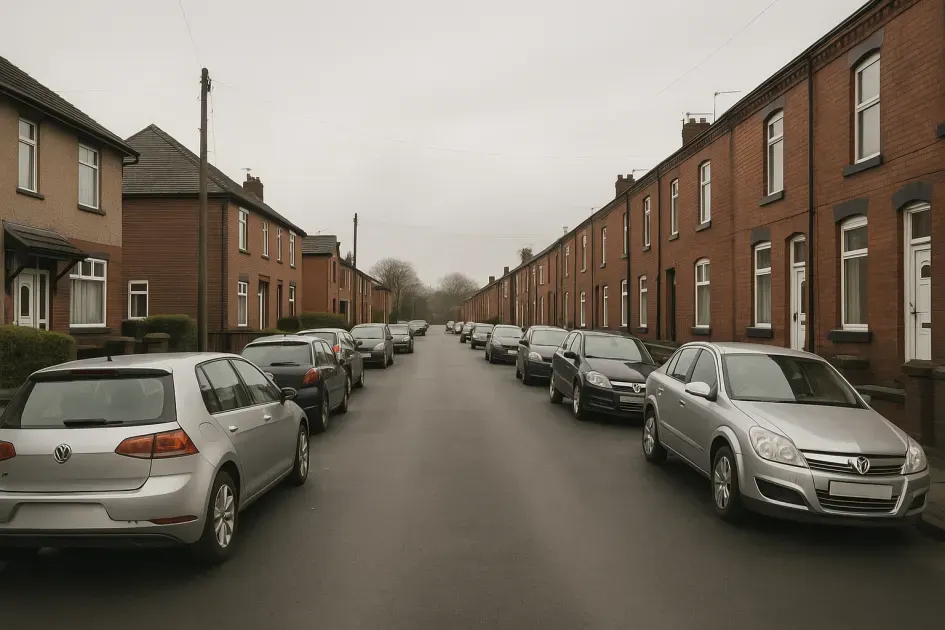
Example 2: Terrace street with narrow access. A smaller van and the nearest legal position can work better than a larger vehicle that cannot approach cleanly.
Example 3: Managed building with a lift booking. The route needs to support the lift time, not the other way around, so security sign-in and access paperwork should be ready before arrival.
Example 4: Event-day traffic on central routes. An alternative approach and an earlier start can preserve the bay window even if the shortest route becomes unreliable.
Example 5: Permit-only street near a school. A visitor permit and an arrival outside the busiest local traffic window keep the kerbside position more stable.
Practical route-planning checklist
- Timed loading bays → Arrive inside the legal window and stage items early so the slot is used for loading rather than preparation.
- Permit zones → Arrange visitor or dispensation permits in advance and confirm the exact stopping position before move day.
- Narrow streets → Choose a vehicle that can approach safely without repeated reversing or awkward repositioning.
- Managed access → Book lifts or docks and line up keys, fobs and sign-in details so unloading starts immediately.
- Peak traffic → Move the arrival outside school-run and commuter periods where possible to protect both ETA and bay access.
Apply neighbourhood context
Street width, parking rules and building access vary across Bolton, so route planning should always match the actual conditions at both addresses rather than relying on distance alone.