
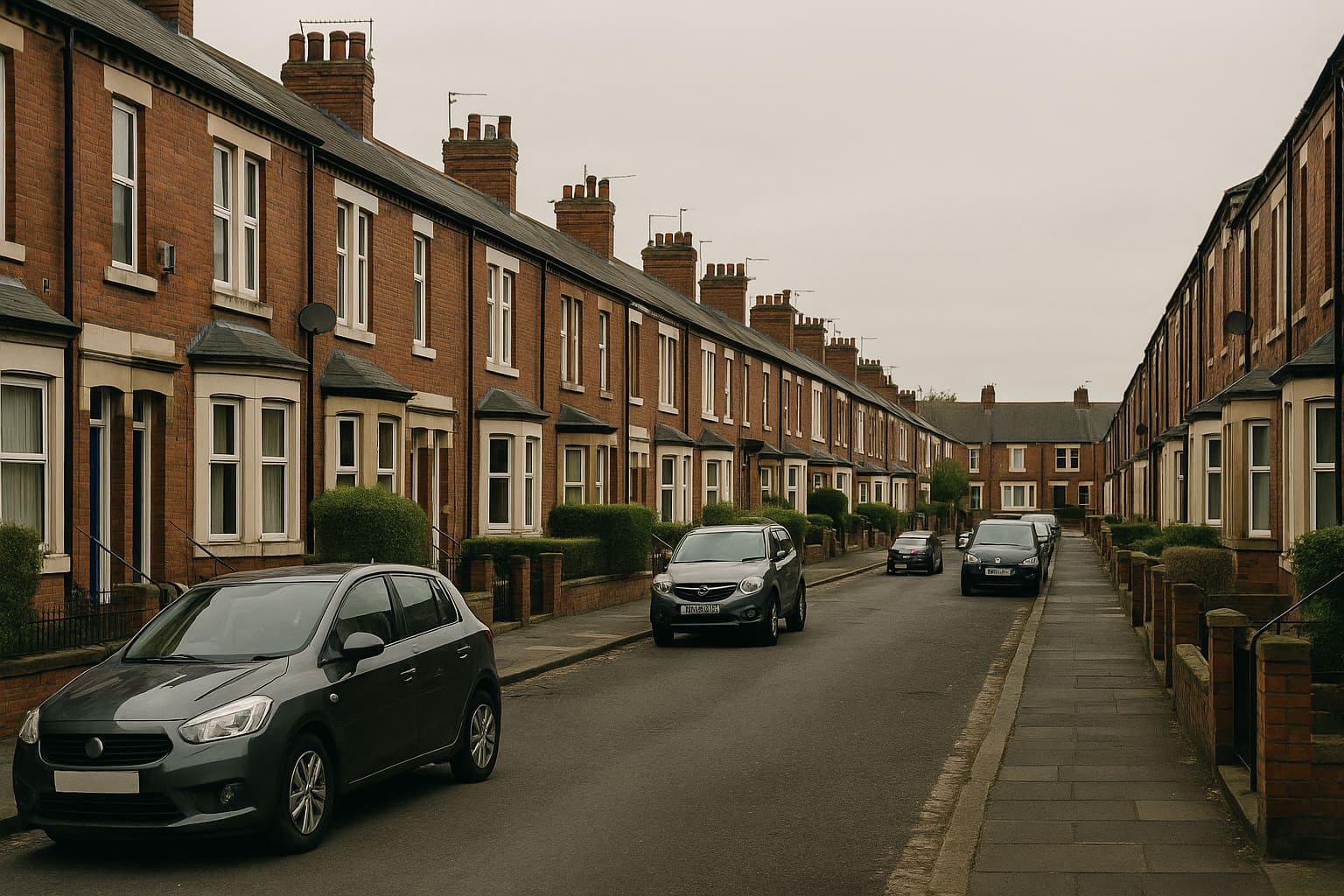
Access and property constraints in Newcastle
Newcastle’s mix of terraces with tight frontage access, modern flats with concierge rules, and busy city-centre streets means vehicle positioning and carry distance matter. Expect permit parking, one-way systems, and timed loading windows around central and riverside zones. In flats, lift bookings and floor protection can be mandatory; in older terraces, narrow doorways and short front gardens can limit manoeuvring space.
Street access and loading realities
Plan for:
- Narrow streets and one-way routes that limit large vehicle turning and bay access.
- Permit-only streets where a visitor or trade permit is needed to load legally.
- Controlled loading windows near busy retail and office areas; signage can be strict.
- Bus lanes, cycle lanes, and clearways that prevent stopping during peak hours.
- Longer carry distances when parking is set back from entrances or across courtyards.
Share any known pinch points—height-restricted car parks, arches, or tight bends—so vehicle choice and approach route can be set in advance.
Building and property friction
Inside the property, time is gained or lost at doorways, stairs, and lifts. Flats often require a booked service lift and may limit the number of movers in common parts. Stairs increase handling time and fatigue, and long internal corridors add to carry distance. In terraces, tight hallways, bay windows, and sharp turns at landings can require door removal or partial disassembly of sofas, wardrobes, or beds. Confirm any concierge or estate rules early.
Parking, permits, and managed access
If resident or visitor permits are required, organise them before move day and keep one visible in the vehicle. Where streets are pay-and-display, have cards or app details ready and check maximum stays. Private estates may need advance notice to lower bollards or open service yards. If relying on a multi-storey car park, verify height limits, loading allowances, and whether goods lifts connect to your floor.