
What affects cost planning for moves in Newcastle
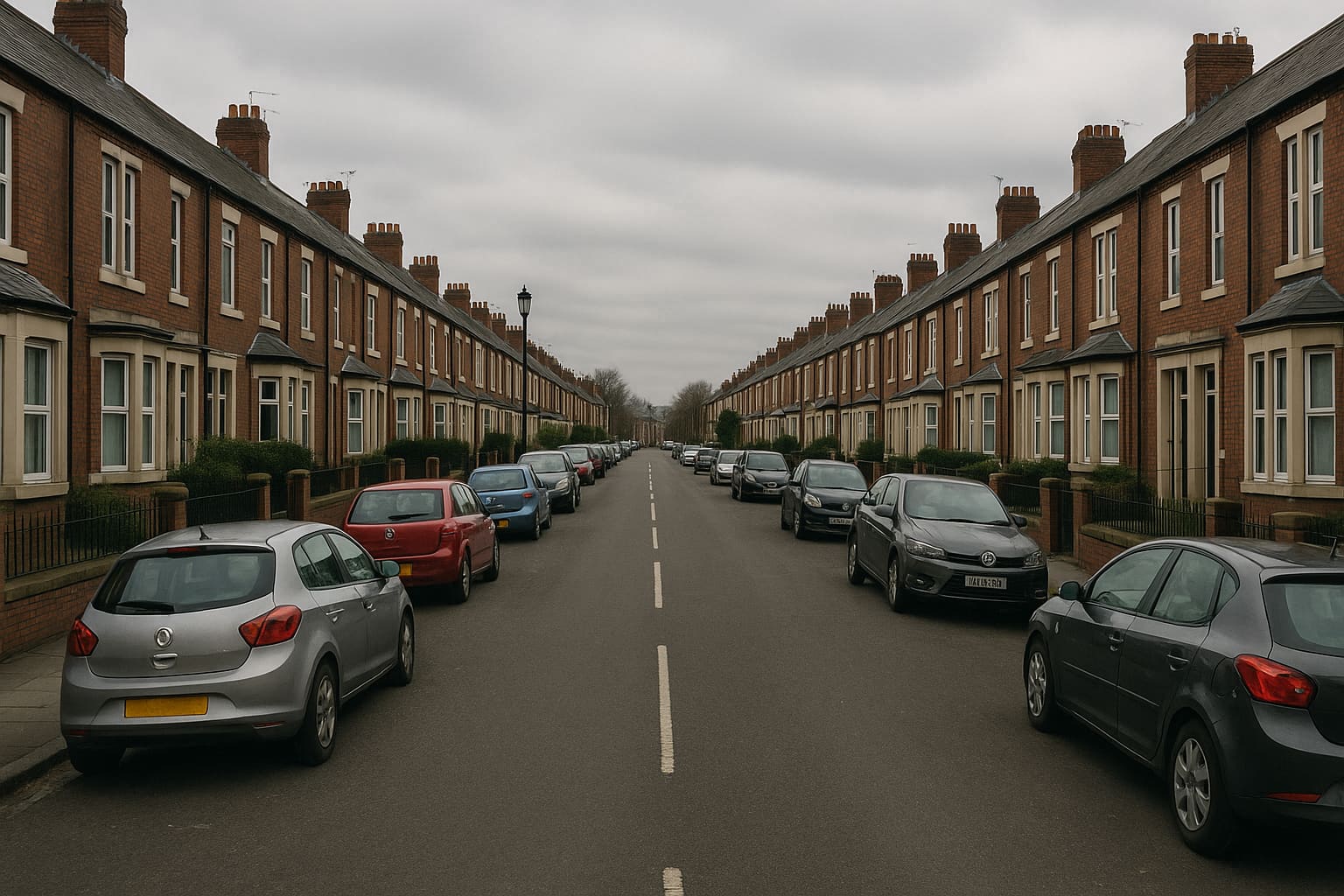
Household removals are primarily driven by the time, people, and vehicles needed to move your items safely. In Newcastle, access shapes these inputs more than anything: parking proximity, stairs or lifts, carry distance from door to vehicle, and any loading restrictions all change how a crew is planned.
Core factors to consider:
- Crew size: More team members keep schedules tight for stairs, long carries, or heavy items, but must be planned around access and loading windows.
- Vehicle size: Vans or trucks are selected for volume, street width, height restrictions, and loading zones. Fewer trips typically mean lower time risk.
- Stairs and carry distance: Upper floors without lifts and long walks from property to vehicle slow the move and may warrant an extra pair of hands.
- Packing and unpacking: Full or partial packing adds labour and materials but can save time on move day by reducing loose items.
- Disassembly and reassembly: Beds, wardrobes, and tables take careful time. Prepping these in advance reduces day-of delays.
- Awkward or fragile items: Pianos, large sofas, mirrors, and artwork need extra protection and handling, which can extend loading time.
- Timing and scheduling: End-of-month Fridays and school holidays are busier. Clear access planning helps keep things on track.
Newcastle does not currently have an active clean-air or charge zone affecting standard removals planning, but loading restrictions, timed access, permits, apartment rules, and city-centre traffic controls can still affect routing and timing.
If you’re planning dates or building a move plan, start with the parent page: Newcastle removals.
Typical move price patterns in Newcastle
Cost examples by move type
Scenario 1
A two-bedroom flat move from a second-floor property without a lift to a house with driveway parking. Expect slower loading due to stairs; add one extra crew member to maintain a sensible finish time and reduce fatigue.
Scenario 2
A three-bedroom house-to-house move with good kerbside access at both ends, plus partial packing of kitchen and fragile items. Efficient vehicle access limits shuttling; packing adds labour but prevents day-of repacking delays.
Scenario 3
A city-centre apartment with concierge-controlled loading bay and timed access. Lift booking, permits, and a pre-staged load plan are crucial. A focused arrival window and a well-briefed crew keep elevator time productive.
Plan your move in Newcastle
Check the price and availability for your addresses, moving date and loading requirements. Book through Find My Man and Van; we allocate a suitable provider after booking.
Compact removals load: £203.00 total — example for Newcastle.
1 × luton van; Two People to Load/Unload; 5 miles, 3 hours, ground-floor access. Modelled for 14 October 2026. Your quote depends on your actual move details and date.