
What affects removals costs in Gateshead (Newcastle area)

How local factors in Gateshead actually change removals costs

Moving within Gateshead (from areas such as Gateshead town centre, Saltwell, Low Fell, Fensham/Felling or Gateshead Quays) is rarely the same as moving in other parts of Newcastle. The physical layout of streets, types of properties and local access rules create real, measurable differences in time-on-site and the equipment and crew needed — and time is the biggest driver of cost.

Property type: terraces, flats, semi‑detached and new builds

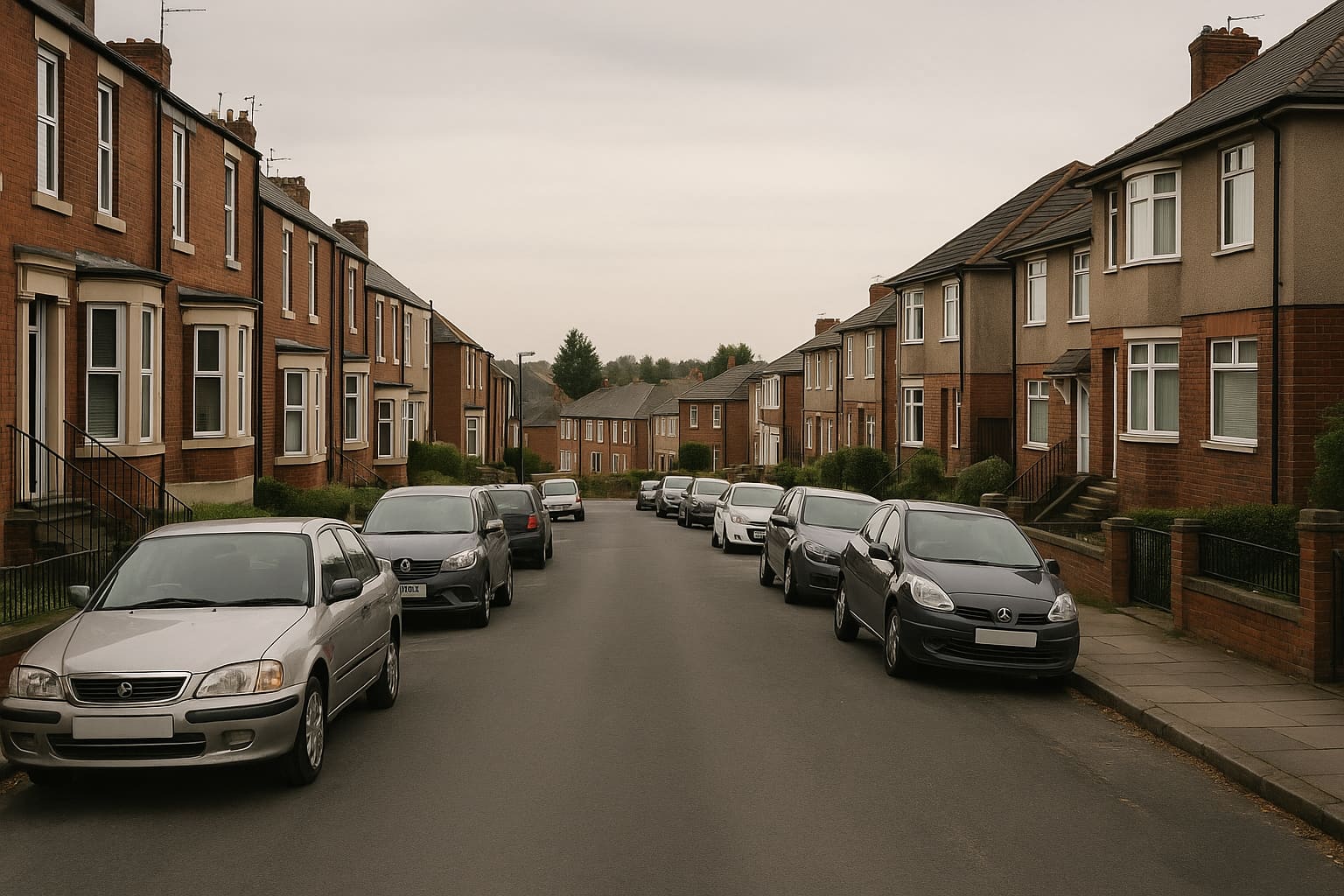
Terraced houses common in Saltwell and Bensham often mean no driveway and narrow frontages. That forces parking a vehicle further from the door and increases carry distance for boxes and furniture. Converted flats in older terraces usually have narrow staircases and tight turns; even a couple of bulky items can double handling time. In contrast, modern riverside flats at Gateshead Quays or purpose-built apartments often have service lifts and loading bays which reduce handling — but if the lift capacity or door width is small, moves still take longer.

When you are ready to move from cost research to the main move page, start with removals in Gateshead.

You will often need to consider For a fuller cost picture, read this alongside hidden moving costs in Gateshead and property access challenges in Gateshead. at the same time.

For a parent-area overview, use moving costs in Newcastle.

Semi‑detached properties and newer estates usually offer driveways or parking courts, cutting loading time. However gated new‑builds can require entry checks or booked vehicle slots which, if not planned, cause waiting and extra labour charges.

Access constraints that drive time and cost

Specific Gateshead access issues to factor into pricing:

  • Parking: many central streets and older residential areas lack kerbside parking; loading often requires parking a vehicle on a nearby side street or temporary double parking fines risk. Extra time for shuttling items from vehicle to property increases costs.
  • Narrow roads and terraces: several neighbourhoods still have sub‑3m streets or terraced layouts that prevent large removal vehicles from getting close to the property, increasing carry distance and labour time.
  • Lifts and stairs: modern blocks at the Quays often have lifts but capacity limits matter; Victorian conversions do not, so manual stair carries add crew hours and potential pause for break/rotation to comply with safe manual handling rules.
  • Permits and restrictions: town centre loading bays and quayside areas may require temporary loading permits. Organising permits in advance adds administrative steps and any delay on the day can extend the job and cost more.

Vehicle limitations and operational friction

Large removal vehicles provide greater carrying capacity but are not always practical in Gateshead’s residential pockets. Where a 7.5‑tonne or 18‑tonne vehicle cannot access the street, a smaller vehicle must be used. That forces multiple shuttle runs between the property and the larger vehicle parked legally, adding time and labour. Narrow alleyways or low bridges near riverfronts may also limit vehicle height and length, affecting packing sequence and loading speed.

Crew size: matching manpower to real site requirements

Crew numbers are set against the site realities, not an abstract property size. Examples:

  • Ground‑floor semi with driveway: two movers plus driver may be sufficient because of short carry distances and direct vehicle access.
  • Three‑storey terraced home with no parking: at least three or four movers are often needed to keep an efficient flow up and down stairs and to reduce the time a vehicle spends idling on the street.
  • Large houses with tight access: extra crew improves safety and reduces total hours, but increases hourly labour cost — the trade‑off is faster completion versus higher headcount.

How timing — time of day and day of week — changes price in Gateshead

Timing affects travel, parking availability and demand for crews:

  • Weekday mornings: can be better for traffic if avoiding school runs, but local parking enforcement is active in town centre streets, so permit or meter fees may apply.
  • Late afternoons and school finish times: increased local traffic around primary schools (e.g. near Saltwell Primary) slows journeys and extends on‑site time.
  • Weekends and end of month: higher local demand for removals across the Newcastle conurbation leads to premium rates and higher minimum crew commitments.
  • Bank holidays: typically attract surcharges and limited availability of loading bays or permit offices, increasing the chance of paid waiting time on the day.

Why Gateshead can cost more or less than other parts of Newcastle

Compared with central Newcastle, some Gateshead moves are cheaper because residential streets often allow easier vehicle turning and have lower congestion than the city centre. But many Gateshead neighbourhoods — older terraces, steep hills in Low Fell and areas near the river — present practical handling obstacles that push costs up. The balance comes down to whether the property offers straightforward curbside access and lift capacity, or whether narrow streets, stairs and permit requirements will add handling time and crew.

Planning implications: what actually needs to be booked in advance

To avoid day‑of surprises in Gateshead you should confirm these physical details before the move:

  • Exact parking and loading location including any controlled parking zones in Gateshead town centre or quayside roads;
  • Presence and clear dimensions of service lifts and stair widths in flats;
  • Any gated access, concierge or estate entry rules on new builds that require time to open or verify vehicles; and
  • Permit needs for temporary loading bays — some councils take time to approve and late applications can force disruptive on‑street loading and extra time.

For a fuller look at cost elements across the wider Newcastle area see moving costs in Newcastle, and for nitty‑gritty fees that sometimes appear on moving day check hidden moving costs in Gateshead. For Gateshead-specific logistics and local guidance visit removals in Gateshead.

Move size Typical range What usually affects it
Studio / small 1-bed £140–£280 steep gradients in deckham, windy nook and parts of low fell affecting carry distance and vehicle positioning and limited on-street stopping.
1–2 bed flat £260–£480 Carry distance, stair cycles, lift access and van positioning.
2–3 bed home £420–£780 Furniture volume, loading distance, disassembly needs and timing pressure.

Frequently asked questions about moving costs in Gateshead

Practical answers about how local factors — terraces, access, parking, lifts and timing — change the final cost for removals in Gateshead.

Many terrace streets around Saltwell and Bensham have no off‑street parking and narrow pavements. That increases carry distance and loading time, often needing an extra crew member and longer hours — both of which raise the job cost compared with a property that allows immediate curbside loading.

Riverside blocks can be quicker if they have service lifts and allocated loading bays, but some quayside roads restrict commercial parking and require permits. If a lift is small or service access is through a pedestrian plaza, moves take longer and may need specialist handling — adding to cost.

New builds often have wider access and designated parking courts, which reduces carry time. However gated entrances, concierge rules or narrow estate roads can require permit booking or smaller vehicles, so cost can still increase if additional handling or time is needed.

Weekend and end‑of‑month demand is higher across the Newcastle area; in Gateshead that pushes up hourly rates and minimum crew commitments. Bank holidays and peak Saturday slots typically attract a premium compared with midweek mornings.

Yes. Steeper, high‑gradient streets (for example around Low Fell slopes) and properties with multiple flights of stairs require extra crew for safe manual handling. That increases labour cost and time on site, particularly where trolleys can’t be used.

Share the access reality early, confirm where the van can stop, and flag anything unusual about the route inside the property. In Gateshead, accurate planning is usually the cleanest way to keep the job close to expectation.