
Property challenges for removals in North Tyneside

How North Tyneside's buildings and streets shape a removal

North Tyneside combines coastal towns, older industrial terraces and modern suburban estates. That mix directly affects how a move is planned and executed: whether a property is a Victorian terraced house in Wallsend, a second-floor flat above a shop in North Shields, a seafront apartment in Whitley Bay or a cul-de-sac new build in Killingworth, each setting creates different logistical friction that changes time, manpower and likely cost.

When you need the main move page rather than property detail alone, start with removals in North Tyneside.

Terraced housing constraints

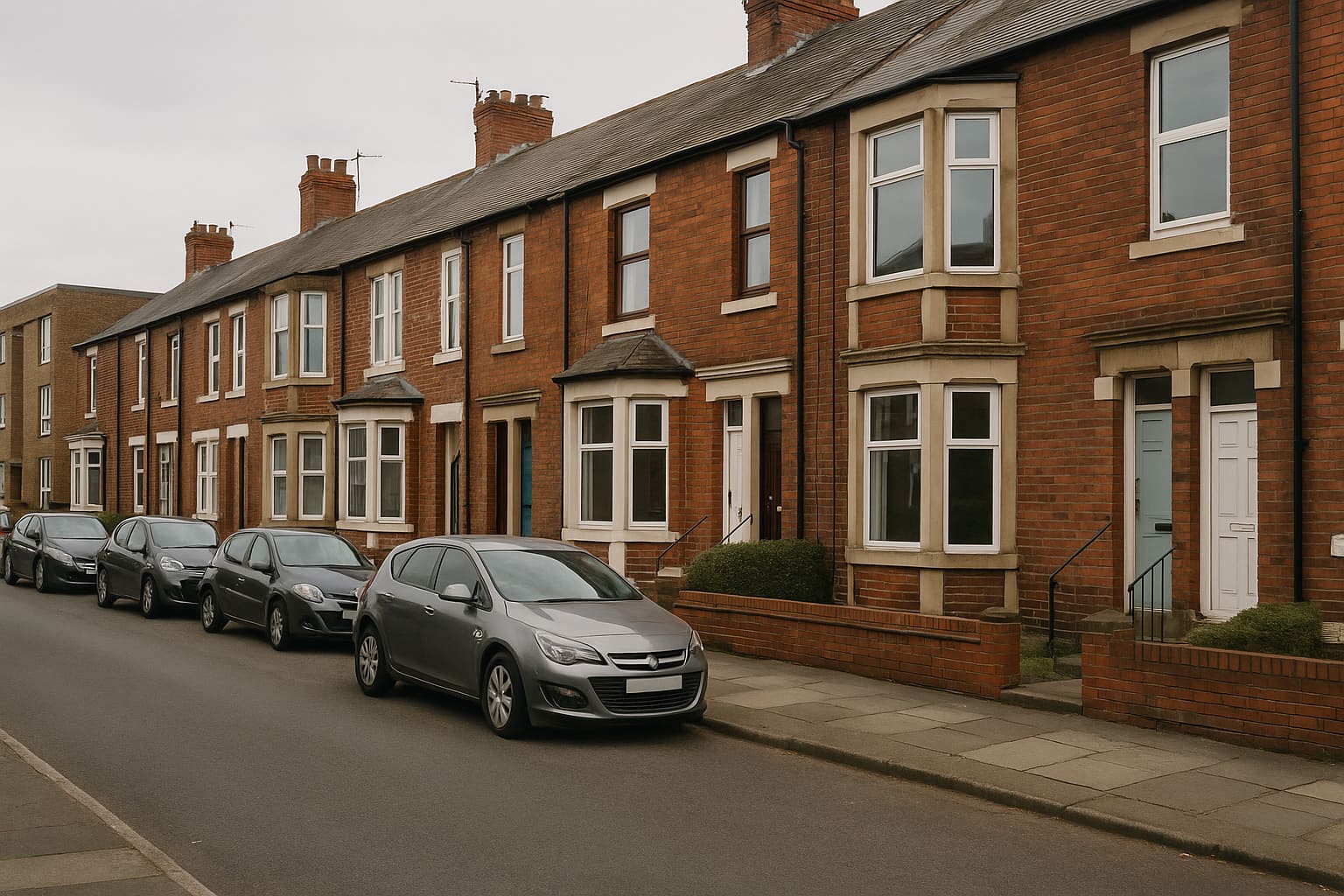
Many terraces in North Tyneside were built before motorised deliveries. Streets around Howdon and parts of North Shields and Wallsend are narrow, with limited forecourts and small bay widths. The consequences for removals are practical: vans often cannot park directly outside front doors, meaning longer carry distances over pavements or across narrow front gardens; narrow internal doorways and hallways require dismantling larger items; and unprotected footpaths increase the need for protective equipment. These factors increase loading time and require extra labour for handling and protective wrapping.

For a parent-area overview, use access and property guide for Newcastle.

You will often need to consider For the problems that tend to appear with awkward access, look at moving guide for North Tyneside and hidden moving costs in North Tyneside too. at the same time.

Flats and apartment access

Flats across North Tyneside fall into three common types, each with different operational impacts. Converted Victorian flats above shops on high streets such as North Shields usually lack lifts and have steep, narrow staircases — expect extended stair carries and potential for multiple trips. Purpose-built seaside apartment blocks around Whitley Bay and Tynemouth may have lifts but limited street loading zones or resident-only parking, requiring controlled parking suspensions. Newer block developments sometimes have communal loading bays but also time-limited access, so scheduled arrival windows cut idle waiting but demand advance coordination with estate management.

Narrow roads, parking limitations and loading restrictions

Coastal promenades, harbour roads and conservation areas present specific parking and manoeuvring restrictions. The Fish Quay in North Shields has tight turning circles and busy pedestrian sections at peak times; Marine Avenue in Whitley Bay features pay-and-display and resident bays that curtail long-term loading. North Tyneside Council operates parking controls and offers temporary suspensions in some locations — applying ahead avoids fines and prevents time-consuming relocation of vehicles mid-job. Where a large lorry cannot safely access, shuttle-loading from a legally parked van to the property becomes necessary, multiplying loading runs and time on site.

Suburban versus dense layouts: different friction points

Suburban areas such as Longbenton and parts of Killingworth typically have semi-detached houses with driveways and wider roads, which can allow direct kerbside loading and shorter carry distances — reducing labour time compared with terraces. However, many suburban estates use cul-de-sacs and estate parking courts unsuited to large vehicles. Dense town-centre pockets (central North Shields, Wallsend high street) trade closer proximity of services for constrained parking and stair-only buildings, increasing operational complexity and loading time despite shorter road distances.

New builds versus older properties

New-build developments around North Tyneside (recent estates near Killingworth or the regenerated areas by the coast) often present problems of their own: narrow estate roads, planned communal parking courts and strict estate management rules that disallow loading on internal roads. Older properties, meanwhile, pose issues with tight staircases, non-standard door sizes and fragile period features that require additional protection and careful handling. Both situations can add to time on site — new builds through access restrictions and older homes through delicate handling and dismantling needs.

Operational friction and the real-world impact on time, cost and planning

Specific North Tyneside realities translate directly into measurable impacts:

  • Carry distance: longer walks from van to door (e.g., terraces or parking-limited seafront) increase labour minutes and may require additional porters and trolley use.
  • Loading time: restricted kerbside access or lack of lift (common in converted flats) multiplies loading/unloading runs and lengthens hours on site.
  • Vehicle restrictions: inability to use a large lorry in older harbourside lanes forces shuttle-working with smaller vans or more trips, raising fuel and time costs.
  • Permissions and scheduling: booking temporary parking suspensions or arranging estate loading slots (typical in Whitley Bay and some new estates) needs advance notice and can affect arrival windows and overall move duration.
  • Protection and dismantling: period properties often require extra protection and dismantling work to get items through narrow doors, adding material and labour expense.

Practical next steps

Anticipating these North Tyneside-specific constraints changes how a move should be organised: identify whether the property is a terrace, a converted flat, a seaside block or a new-build estate; check nearby parking controls and the feasibility of a kerbside loading spot; confirm lift availability and stair sizes; and allow contingency time for shuttle runs in tight lanes such as the Fish Quay or Tynemouth historic streets. For further local guidance on access and property types across Newcastle and its boroughs see access and property guide for Newcastle, and for practical moving steps specific to North Tyneside consult moving guide for North Tyneside or the main area overview at removals in North Tyneside.


Common questions about moving in North Tyneside

Answers focused on the physical realities movers face in North Tyneside — permits, stair carries, parking and time implications.

Many town-centre streets and seafront areas (Whitley Bay, Tynemouth, parts of North Shields) have resident bays, pay-and-display or loading restrictions. A temporary parking suspension with North Tyneside Council is often required for a large removal vehicle to stop outside a property without blocking traffic; applying in advance reduces time spent hunting for legal roadside space and avoids parking fines that add to moving cost.

Flats above ground-floor shops or in older terraces (common around North Shields high street and Cullercoats) often lack lifts. Expect significantly longer carry times for bulky items up narrow staircases—each flight can add 15–40 minutes depending on size of items and condition of stairs. That extra time translates into higher labour hours and potentially shuttle trips between a parked van and the building entrance.

No. The Fish Quay in North Shields and the narrow, sometimes one-way lanes around Tynemouth Priory and historic areas restrict large truck manoeuvre and turning. A smaller vehicle or shuttle approach may be needed, increasing loading time and the number of van runs.

Not always. New estates in Killingworth and newer developments off the A19 can have tight estate roads, restricted kerbside parking and communal parking courts designed for cars rather than large vans. Internal parking courts often prohibit loading on communal drives, requiring longer carries from permitted roadside spaces.

Victorian and Edwardian terraces—prevalent in Wallsend, Howdon and pockets of North Shields—often sit on narrow streets with small forecourts. Limited doorstep space means more carry distance and more careful manoeuvring of furniture through narrow doorways and hallways, increasing loading/unloading time and the likelihood of additional protection materials and labour.

Measure doorway widths, stair turns, lift dimensions where relevant, and the real path from the furthest loaded room to the van position.