What affects cost planning for moves in Belfast
Costs are driven by time and resources. The following factors shape the crew and vehicle plan and the working window needed:
- Crew size: More hands speed up loading/unloading when stairs or long carries are involved.
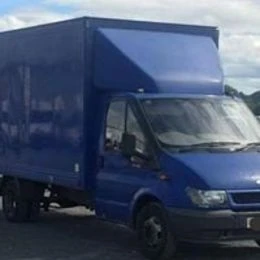
- Vehicle size: Larger trucks reduce trips; smaller vans help where streets are tight or parking is limited.
- Stairs and lift access: Extra floors or limited lift slots extend handling time.
- Carry distance: A longer path from door to vehicle slows every load cycle.
- Packing level: Full packing by the team adds preparation time; well-done self-packing can shorten the day.
- Disassembly/reassembly: Beds, wardrobes, and modular furniture increase task time if dismantling is required.
- Awkward items: Pianos, safes, large sofas, or gym equipment need special handling and sometimes extra staff.
- Timing: End-of-month dates, Fridays, and school-holiday periods create pressure on schedules and loading windows.
Typical move price patterns in Belfast
These patterns show how access and scope influence the resources and working window. They are guides to planning rather than fixed quotations.
Cost examples by move type
Scenario 1
Third-floor 2-bed apartment with no lift. Crew plans include additional handlers to keep stair runs efficient and careful wrapping for tight corners. Parking bay reservation near the entrance reduces carry distance and saves time.
Scenario 2
3-bed semi moving across Belfast with two beds and a wardrobe to dismantle. A larger vehicle and a crew member assigned to furniture tasks help the rest of the team keep loading continuous, containing the total working window.
Scenario 3
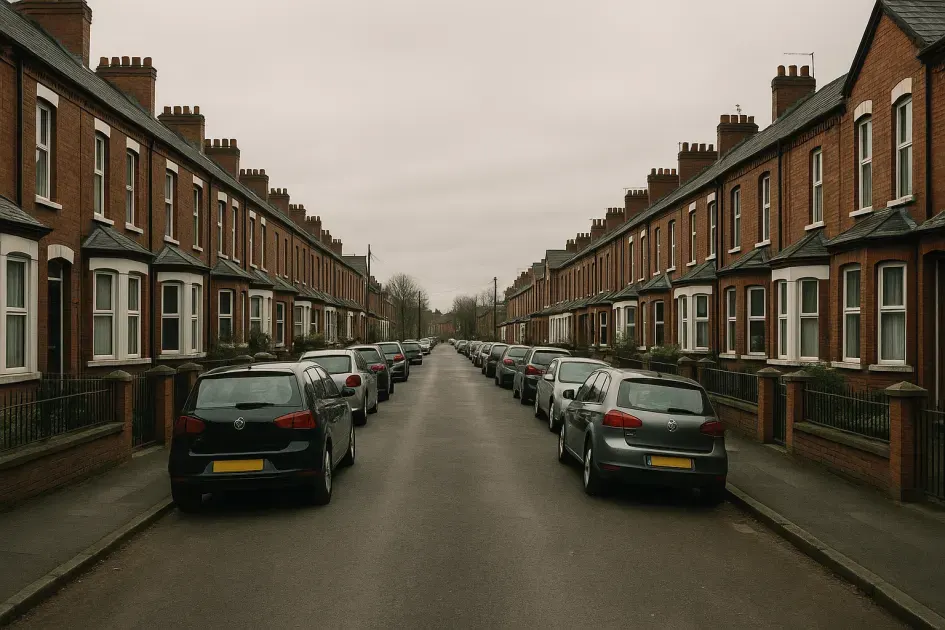
Townhouse to townhouse with a long front path and timed key release. Early start, confirmed parking at both ends, and labeled, sealed boxes allow swift loading before the key handover, limiting idle time and overruns.