
Abingdon Hidden Moving Costs – Delay Risks That Quietly Push Costs Up

Hidden moving costs in Abingdon usually come from time loss, not mystery fees. Small delays stack up when the crew has to wait for access, walk longer routes or reload awkwardly because the van cannot stop where the job really begins.

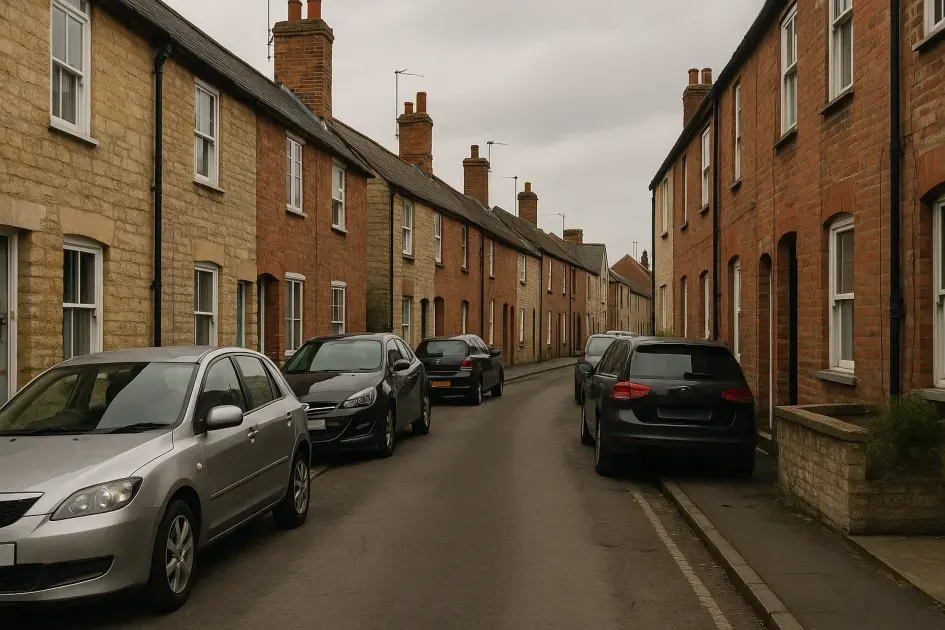
Abingdon tends to be shaped by period town-centre cottages and narrow-fronted terraces around older streets near the centre, 1960s to 1980s estate housing with cul-de-sacs and small front drives in North Abingdon and Caldecott areas and modern riverside and edge-of-town apartment blocks with shared entrances and lift access. For hidden costs, that matters because that local housing mix often brings narrow town-centre streets with short stopping windows, limited turning room for vans, variable lift access and cul-de-sac layouts with parked cars reducing van positioning near front doors, and each extra friction point quietly leaks time through repeated waits, longer carries and awkward handling cycles.

Quick summary

  • Hidden costs usually appear as repeated time leakage, not surprise fees.
  • Watch for narrow town-centre streets with short stopping windows, limited turning room for vans and variable lift access.
  • Timing pressure often increases around weekday commuter pressure.

Why hidden costs behave differently in Abingdon

A move here behaves differently from a generic Oxford job for practical reasons. In Abingdon, practical factors like limited on-street stopping and weekday commuter pressure shape how the day actually unfolds.

That matters whether you are arranging a studio move, a flat relocation or a larger household shift with vetted and approved drivers available through the platform. Clear planning protects time, and time is what usually protects the budget.

Local examples and planning scenarios

A straightforward job in Abingdon can still slow down when building access is sequential rather than parallel. One person may be waiting at an entry point while another handles the van, or the team may need to coordinate around lift use, side-street loading or a longer internal walk from courtyard to entrance. Those are ordinary local realities, not unusual complications.

That is why this page works best as part of a clear planning path. The moving guide is the main hub for this area. For one closely related angle, see Moving Costs. For a second supporting issue, review Property Challenges. For broader regional context, see the Oxford macro guide. When you are ready to connect local planning back to the full service page, return to the Abingdon man and van page. For comparison with other cities, see our national moving guides.

Practical advice before booking

  • Confirm exactly where the van can stop, not just the postcode or map pin.
  • Check whether any part of the route depends on fob entry, reception release or lift access.
  • Measure the longest internal path, especially if the property sits behind a courtyard or set-back entrance.
  • Note the busiest local time windows and avoid stacking the move into them unless there is a good reason.

Use this page as a planning layer, then use the Abingdon man and van page when you want to request the actual service. Support pages should clarify planning factors rather than duplicate the booking page. That way lies cannibalisation and other structural issues.


Abingdon Hidden Moving Costs FAQs

Common questions about the quiet delays that can stretch a move in Abingdon.

Yes. Lift delays can interrupt the work rhythm repeatedly, and that matters more than people expect. In apartment-led parts of Abingdon, they can quietly extend the total job time.

The common hidden costs are usually hidden time multipliers rather than separate charges. In Abingdon, they often come from narrow town-centre streets with short stopping windows, limited turning room for vans and variable lift access, limited on-street stopping, and repeated carry distance.

Absolutely. When the internal path is longer than expected, every trip takes more time, and moving jobs are made of many repeated trips. The arithmetic becomes rude very quickly.

They can be. If factors such as weekday commuter pressure slow arrival, stopping or unloading, the job can drift beyond the comfortable estimate even when the inventory itself is straightforward.

Surface the awkward details early. The more honestly the access route, loading position and timing pressure are described, the fewer surprises show up later as overrun.

Because the crew spends more time walking, repositioning and waiting. In Abingdon, where factors such as limited on-street stopping are common, a weak stopping position becomes a tax paid in minutes.