
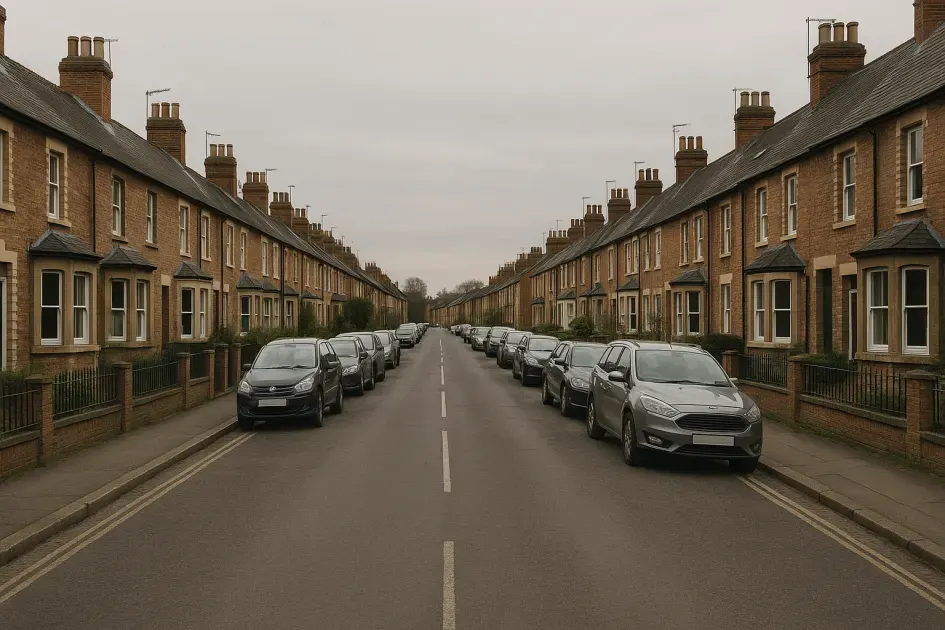
What affects cost planning for moves in Oxford
In Oxford, moving costs are shaped mainly by elapsed loading and unloading time rather than by straightforward mileage. A short drive can still become an expensive job if the van has to stand half a street away, the flat has no lift, or furniture has to be negotiated through tight stair turns.
Oxford moves can look similar on a map but behave very differently once parking access, loading conditions and building layout come into play. That is why man and van services on man and van services in Abingdon and man and van services in Wallingford often differ more than mileage alone suggests.
This page explains how costs are built up and which practical factors change the hours required. Find My Man and Van uses these patterns to show why some Oxford jobs stay efficient while others run longer, even over nearby routes. For broader city-wide coverage context, explore Oxford man and van services.
For a borough-level view, check how access and timing differ on man and van services in Didcot and man and van services in Summertown. Each booking is handled through a centralised platform using verified local operators and one clear move price shaped by the real conditions on the day.
Direct answer: in Oxford, moving costs usually hinge on hours worked more than distance, adjusted by van size, number of movers and access conditions.
Why does a move sometimes cost more than expected? Usually because the time is in the handling rather than the driving. Long kerb-to-door carries, stairs without lifts, lift queues, permit-controlled parking and awkward entrances all add minutes to each item moved. Those minutes repeat across the whole load, so the final labour time climbs quickly. Even a short urban move can overrun if access is poor. That is one reason cost planning works best when the real loading conditions are clear at both ends. Scheduling pressure becomes clearer when viewed alongside Oxford demand patterns at different times. Similar time pressures can also appear in man and van services in Bicester.
What affects cost planning for moves in Oxford
| Cost driver | What changes the time | Why it affects total cost |
|---|---|---|
| Parking access | Permit rules, limited bays, narrow streets force the van further from the door | Longer carry per item and more trips extend loading/unloading time and labour billed |
| Building layout | Stairs, tight turns, split levels, lift capacity and lift booking windows | Slower handling and staging reduce items-per-minute, increasing total crew hours |
| Van size / movers | Smaller vans need more trips; too few movers slow bulky-item handling | Extra trips or manual handling time lengthen the session and raise labour time |
| Route timing | School-run or commuter congestion, roadworks, delivery windows | Delays shrink productive loading windows and push the end time later |
Typical move price patterns in Oxford
Pricing scales with duration because labour time is the main cost driver. Two moves with similar item lists can price differently if one has a driveway and a lift while the other involves resident bays, front steps and a long internal carry. Access almost always explains the difference better than mileage. Loading time usually outweighs driving time, particularly on Oxford moves that stay within the city or nearby towns. That pattern is also reflected in how neighbourhood layout changes moving time.
| Move type | Typical time range | What affects duration |
|---|---|---|
| Room or studio, minimal furniture | Short session | Kerb-to-door distance, stairs vs. lift, ease of disassembly |
| 1-bed flat, moderate items | Short to long half-day | Permit parking, lift booking limits, corridor width, route timing |
| 2-bed flat or small house | Half-day to full day | Multiple flights, narrow halls, packing readiness, van size |
| 3-bed house or larger | Full day to multi-day | Volume of goods, dismantling, driveway access vs. street parking |
Cost examples by move type
Example 1: Studio to nearby flat with driveway parking
Small load, ground-floor to lift-access flat, van can park on a driveway at both ends. Fast carries and simple layouts keep handling efficient, so the session stays short and the total cost remains lower.
Example 2: Studio move with permit parking and a long carry
Similar load, but the destination has permit-only bays and the nearest legal space is along the street. Each item requires a longer walk, adding handling minutes. The schedule extends and total labour time increases.
Example 3: One-bed flat, lift booking window and school-run traffic
Load from a first-floor flat with a lift; the destination requires a lift booking within a set window and the route crosses school-run hotspots. Waiting for the lift and timed access reduce flexibility, while traffic compresses loading windows, extending overall hours and cost. Part of that broader picture comes from how route planning affects Oxford moves.
Example 4: Two-bed terrace with tight hallways and on-street parking
Stairs, narrow doorways and no driveway mean careful manoeuvring and staging at the kerb. Bulky items need more handling steps. The added complexity slows the team, increasing the billed duration.
Example 5: Large house to apartment with loading bay booking
High volume at origin, then a managed building with a booked loading bay and lift slot. Any overrun forces waiting until the next slot. Coordinating bay access, lift timing and higher item count pushes the schedule longer, raising the total labour time.
How to keep the move efficient
- Pavement-to-door distance is long → Reserve a legal bay or arrange a permit so the van parks closer and reduces walking time per item.
- Stairs or narrow halls → Pre-measure bulky items, remove doors where safe and dismantle furniture to speed carries.
- Lift-controlled buildings → Book lifts and loading bays and share the slot details with the crew to avoid waiting.
- Busy routes at peak times → Aim for off-peak start times to improve route predictability and protect loading windows.
- Mixed item types → Group boxed items by room and stage them near exits to increase items moved per trip.
- Access uncertainty → Send photos of entrances, stairwells and parking rules in advance so the right van size and crew are allocated.
Oxford’s neighbourhoods vary widely: historic terraces with permit parking, newer flats with managed bays, and suburban streets with driveways all create different cost patterns. These differences change parking layout, housing density and handling speed, so the final price follows the hours the move genuinely needs. If you are budgeting for a move, the best place to start is with the access notes rather than the postcode alone.