
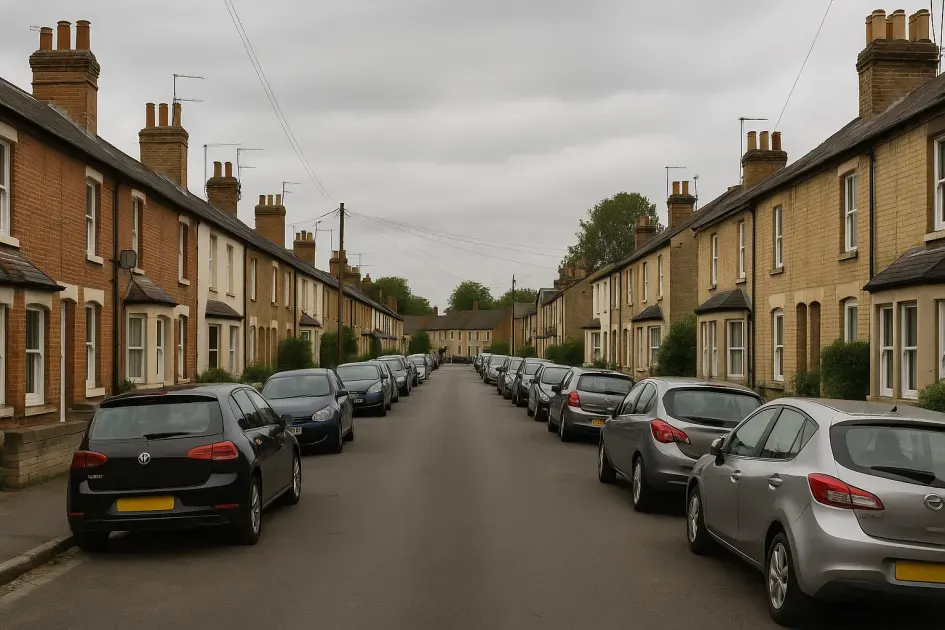
What matters operationally
Route planning in Oxford is really about protecting the loading window. A fast drive is less useful than a legal, workable arrival that puts the van close to the entrance at the right moment. Permit streets, bus gates, timed bays, shared lifts and concierge procedures all have to line up. If one part slips, the whole schedule can stretch. The most reliable moves match a suitable van to the street layout, confirm any timed stopping arrangements and give enough buffer for sign-in, stairs or longer carries. Those access constraints feed directly into how moving costs are shaped by access and time. The timing side of that is explored further in when Oxford moves tend to take longer. That is visible in areas such as man and van services in Abingdon. One practical example appears in man and van services in Bicester.
How to plan around restrictions
Check approach routes properly rather than relying on the shortest path on a map. Signed restrictions, timed access windows and one-way sections can all force a different approach on the day. Confirm whether the building uses a loading bay, whether lift access must be booked, and whether permits or dispensations are needed to stop nearby. Where the kerbside carry is long, plan equipment and staging so the crew can keep moving once the van arrives. This helps you avoid delays on the day. In Oxford, clean-air charging is not the main issue; practical access rules, bay timing and street layout are what usually matter most.
Eight route-planning variables in Oxford
Traffic timing patterns
Commuter peaks and school-run periods create predictable pressure on Oxford’s approach roads and central corridors. A mid-morning or early-afternoon arrival is often easier to manage than a theoretically shorter peak-time trip.
Central access constraints
Bus gates, turn bans and pedestrian-priority streets can prevent the most direct approach. Pre-checking the final turns matters because a last-minute detour can add enough delay to affect a timed bay or building slot.
Kerbside loading conditions
Timed bays, resident-only parking and short loading allowances all shape where the vehicle can stand. The closer the van is to the entrance, the more efficient each carry cycle becomes.
Building access limitations
Shared lifts, loading-bay reservations, key fob entry and reception sign-in all slow the start if they are not coordinated. On some Oxford flats, this matters more than the drive between addresses.
Route predictability and delays
Ring-road approaches are often steadier than cutting through the centre, especially when events, school traffic or one-way systems interfere with shorter routes. A backup path is worth having for any timed arrival.
Vehicle suitability and access
Street width, turning space, overhanging trees and tight residential geometry can all make a large vehicle less practical. A van that fits properly often loads faster than one with more capacity but poorer access.
Parking and permit constraints
Controlled zones limit how long a vehicle can stop and how close it can stand. Arranging visitor permits or dispensations early can remove a major source of wasted time.
How clean-air or charge-zone rules affect moves in Oxford
No active clean-air or charge zone currently applies in Oxford. In practice, central access controls, timed loading windows and permit streets still drive planning: choose compliant approach roads, match arrival to bay timing, and use a vehicle size that suits the street layout.
Practical route-planning examples
Example 1: A terrace house near Cowley Road sits on a narrow, permit-only street. The plan uses a medium van, pre-arranged visitor permit, and a nearby timed bay to shorten the carry and keep loading legal.
Example 2: A central flat has a managed loading bay with a 30-minute slot and lift booking. The route avoids turn-restricted streets, arrives five minutes early for sign-in, and stages items at the lift to prevent queueing.
Example 3: A two-address move crosses the city. The ring road provides steadier timing than the centre. The team sets two approach options and selects the quieter exit based on live delays to preserve the second slot.
Example 4: Student move-out coincides with an event day. Arrival is brought forward to miss early queues; the vehicle uses a short-term loading point, while a second person manages the entrance to keep the lift cycle continuous.
Example 5: A Summertown inbound move involves long kerb-to-door distance. The plan adds dollies, reserves the closest legal stop, and sequences heavy items first, reducing total cycles and protecting the schedule.
Practical route-planning checklist
- Permit-controlled street → Get visitor/dispensation details and display them; choose a bay that keeps the vehicle legal and close to the door.
- Timed loading bay → Match arrival to the window, pre-stage items inside, and assign one person to manage the lift or entry queue.
- Narrow or weight-limited approach → Select a vehicle that fits width/height limits and plan a turn-friendly route to avoid reversing delays.
- Event or peak traffic risk → Shift arrival outside peak periods and set a ring-road alternate to maintain schedule if the centre slows.
- Long kerb-to-door carry → Reserve the nearest legal stop, add trolleys/ramps, and batch loads to reduce trips and dwell time.
Apply neighbourhood context
Street width, bay rules and building procedures differ across Oxford. Using the local conditions around the exact address will usually give you a better route than relying on distance alone.