Quick summary
In Exeter, moving time is shaped less by distance and more by parking access, building layout and street geometry around each address. Tight terrace streets, controlled parking rules and managed entrances can either protect the schedule or slow every loading cycle. Loading time usually outweighs driving time.
Key facts
- Neighbourhood layout changes access and loading practicality.
- Parking availability varies across Exeter districts.
- Property type affects handling time and crew effort.
- Street geometry can change route efficiency on moving day.
On this page
How moving conditions vary across Exeter
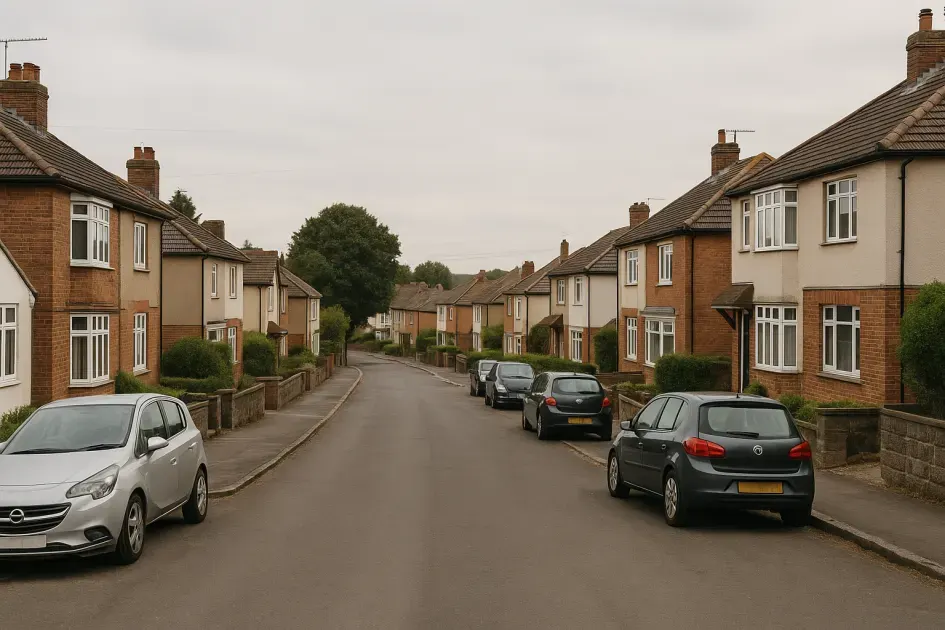
Different parts of Exeter create distinct loading conditions. Around St Leonards and Heavitree, Victorian terraces sit on narrower streets with controlled parking, so kerb access is often contested and carry distances grow quickly. Near the Quay and the city centre, apartment blocks and conversions introduce lift bookings and loading-bay rules that can either streamline unloading or create bottlenecks if the slot is missed. Suburban areas such as Countess Wear, Pinhoe and Exwick more often offer driveways or wider kerbs, improving van positioning and reducing handling time. These contrasts matter more than distance because the geometry between van and door determines how quickly items pass through each loading cycle. All of these neighbourhood differences sit within the wider pattern on Exeter man and van services.
Neighbourhood access patterns
Central controlled-parking streets can leave very few unrestricted spaces, so crews may need visitor permits or tightly timed arrivals to secure a workable stop near the entrance. Terrace grids in Heavitree and Mount Pleasant are often too narrow for easy turning, which can make a smaller van or a careful reverse with a spotter the faster option. Quayside and city-centre developments may require fobs for service corridors or short loading bays with strict limits. Out toward suburban estates, cul-de-sacs and wider roads allow closer parking, but turning heads and school-run traffic can still affect access for larger vans at busier times. Most delays come from access constraints rather than distance.
Property and loading differences
Older terraces frequently involve stairs without lifts and tighter hallways, slowing the movement of wardrobes, white goods and awkward furniture. Conversions and newer apartments add managed elements such as lift reservations, key-controlled service doors and designated bays, compressing loading into fixed windows. Suburban semis and modern houses often have direct front access and driveways, cutting carry distances. Garden gates, side paths and rear access can help stage items closer to the van, while flats with long internal corridors lengthen the route each item must travel. Each change in door width, stair pitch or lift availability affects handling speed and crew sequencing. The pricing effect is clearer in how these conditions affect moving costs. The route-planning side is covered in Exeter route and loading access planning. A more suburban pattern appears in Exeter man and van.
How to choose the right planning approach
Match your plan to the tightest access point at either end. For controlled parking or terrace streets, secure permits or suspensions and consider a smaller van if it improves positioning. For managed blocks, confirm lift and loading-bay slots, and align crew arrival with those windows. Where long carries are unavoidable, stage items at the closest exit and use trolleys. If routes cross Alphington Road, Topsham Road or Exe Bridges at peak times, shift to off-peak periods to regain schedule certainty. The right plan is the one that protects loading time, not simply the shortest drive. This helps you avoid delays on the day.
City-wide baseline: time drives outcomes
Exeter mixes Victorian terraces in Heavitree and St Leonards, apartment blocks near the Quay and Princesshay, and suburban estates in Countess Wear, Exwick and Pinhoe. Time efficiency comes from close parking, manageable density, straightforward building access and predictable routes. Controlled zones near the centre can increase walking distance, apartment lifts add booking constraints, and suburban driveways often allow ideal van placement. When crews spend more time carrying than driving, the schedule stretches, so planning around where the van can stop and how items move through the building matters most.
Eight variables that change moving time locally
1) How permit parking delays loading
Permit-only streets near the centre restrict available bays. Without a visitor permit or suspension, the van may park further away, increasing the carry distance and splitting the crew between guarding, shuttling and loading, which slows cycles and reduces throughput.
2) Why terrace streets limit van positioning
Narrow terrace roads can block turning or overtaking. Larger vans may struggle to align with the entrance, forcing longer carries or slower reversing with a spotter. Poor kerb angles also make loading bulky items less efficient.
3) How building layout alters carrying distance
Tight staircases, long internal corridors and split-level entrances add steps per item. Every extra doorway, landing or turn reduces flow rate, especially for wardrobes and white goods, making each shuttle longer and increasing total hours.
4) Why managed buildings introduce lift booking delays
Apartment blocks often require lift reservations and access fobs. If the slot is missed or shared, crews must wait, pause mid-load or switch to stairs for smaller items, creating additional handling delay and compressing the usable working window.
5) How street width affects van access
Where width is tight, bins, parked cars and delivery vehicles reduce manoeuvring room. The crew may need to stop short of the entrance, stage items at a pinch point and load in batches, which increases handling steps and slows progress.
6) Why route predictability changes travel time
Arterials like Alphington Road, Exe Bridges and Topsham Road fluctuate with commuter and school-run peaks. Unpredictable flow shrinks arrival windows, pushes back lift bookings or bay slots and reduces the time available beside the entrance for efficient loading.
7) How loading bay rules affect unloading speed
City-centre and Quayside developments may offer short-stay loading bays with time limits. Crews must break loads into timed bursts, move the van between stages and coordinate keys, which fragments the workflow and adds setup time between cycles.
8) Why neighbourhood traffic patterns delay moves
School zones and busy retail corridors create brief but intense surges. Vans can be delayed entering or exiting estates, and crews may miss planned windows at the destination, forcing slower handling or a re-sequenced load that extends the schedule.
Practical planning checklist
- If permit parking restricts kerb access, arrange a visitor permit or bay suspension in advance and align arrival with the permitted window.
- If the building requires lift or loading-bay booking, secure the slot and confirm key or fob handover at least a day before.
- If terrace width prevents a large van from positioning, opt for a smaller van or plan a controlled reverse with a spotter.
- If school-run or commuter traffic affects your route, avoid peak windows or choose an alternative approach that bypasses bottlenecks.
- If a long carry is unavoidable, pre-stage items at the nearest exit and use trolleys and straps to maintain flow.
Scenario examples
Example 1: Studio flat to a suburban semi with driveway access, small van, one mover. Direct parking shortens the carry and keeps loading continuous, so handling stays efficient with minimal delays.
Example 2: One-bedroom terrace to terrace on a controlled parking street, medium van, two movers. Permit parking is limited, so the van stops further away; the longer carry adds handling steps and slows each loading cycle.
Example 3: Two-bedroom terrace to city-centre apartment, medium van, two movers. Managed access with a booked lift and key-controlled corridor compresses unloading into fixed windows, extending the schedule when any wait occurs.
Example 4: Three-bedroom semi across town via Alphington Road, long wheelbase van, three movers. School-run congestion reduces route predictability; arrival shifts later, tightening the time beside the entrance and creating additional loading delay.
Example 5: Three-bedroom apartment near the Quay, Luton van, four movers. Loading-bay time limits, a service-lift booking and central parking controls create multiple constraints; fragmented unloading and queueing extend handling and reduce flexibility.
Apply neighbourhood context
Permit parking near the centre, terrace street width in Heavitree and Mount Pleasant, apartment access by the Quay, and suburban driveways in Pinhoe or Countess Wear each create different planning needs. Parking layouts, housing density and building access rules vary across different parts of Exeter. The guides below explain the practical moving considerations for each neighbourhood. A denser neighbourhood example is Exeter man and van.
What to do next
Use this guide to check how different Exeter areas affect loading time, access and parking.
- Check whether your street has permit parking or narrow frontage access.
- Check your property layout with the linked area pages below.
- Flag stairs, tight corridors or long carries before booking.
- Use the main city page to get a quote based on the real move conditions.
Exeter neighbourhood moving FAQs
Short, mechanism-first answers to help you plan timings across different parts of Exeter.
How does neighbourhood layout affect moving time in Exeter?
It changes loading speed and scheduling. Street geometry, parking access and building layout determine van positioning and carry distance, which directly controls how quickly items can be moved.
How does parking access influence loading outcomes?
Closer parking shortens loading cycles. Where bays need permits or are full, the van stops further away, increasing the kerb-to-door carry and slowing every shuttle from property to vehicle.
Why can a short-distance move still take longer?
Access friction overrides distance. Narrow streets, managed entrances or poor parking force slower handling, so loading and unloading take longer than the driving portion.
How does housing density change planning?
Denser streets tighten space. Terrace rows and multi-occupancy blocks restrict kerb space and lift access, creating tighter loading windows and reducing flexibility in van positioning.
How do building rules and lifts alter timing?
Rules create fixed windows. Lift bookings, service corridors and loading bays require timed slots, so delays ripple through the schedule and extend the overall handling time.
How do local traffic patterns affect the schedule?
Peak flows compress arrival and travel windows. School-run and commuter queues reduce route predictability, so crews may reach sites later and have less time beside the entrance.
Plan your move in Exeter
Check the price and availability for your addresses, moving date and loading requirements. Book through Find My Man and Van; we allocate a suitable provider after booking.
Small local collection: £53.00 total — example for Exeter.
1 × small van; Customer Loading/Unloading; 5 miles, 1.5 hours, ground-floor access. Modelled for 26 November 2026. Your quote depends on your actual move details and date.
Providers covering the Exeter area
Local coverage is a guide, not a reservation of these providers. Explore local providers.