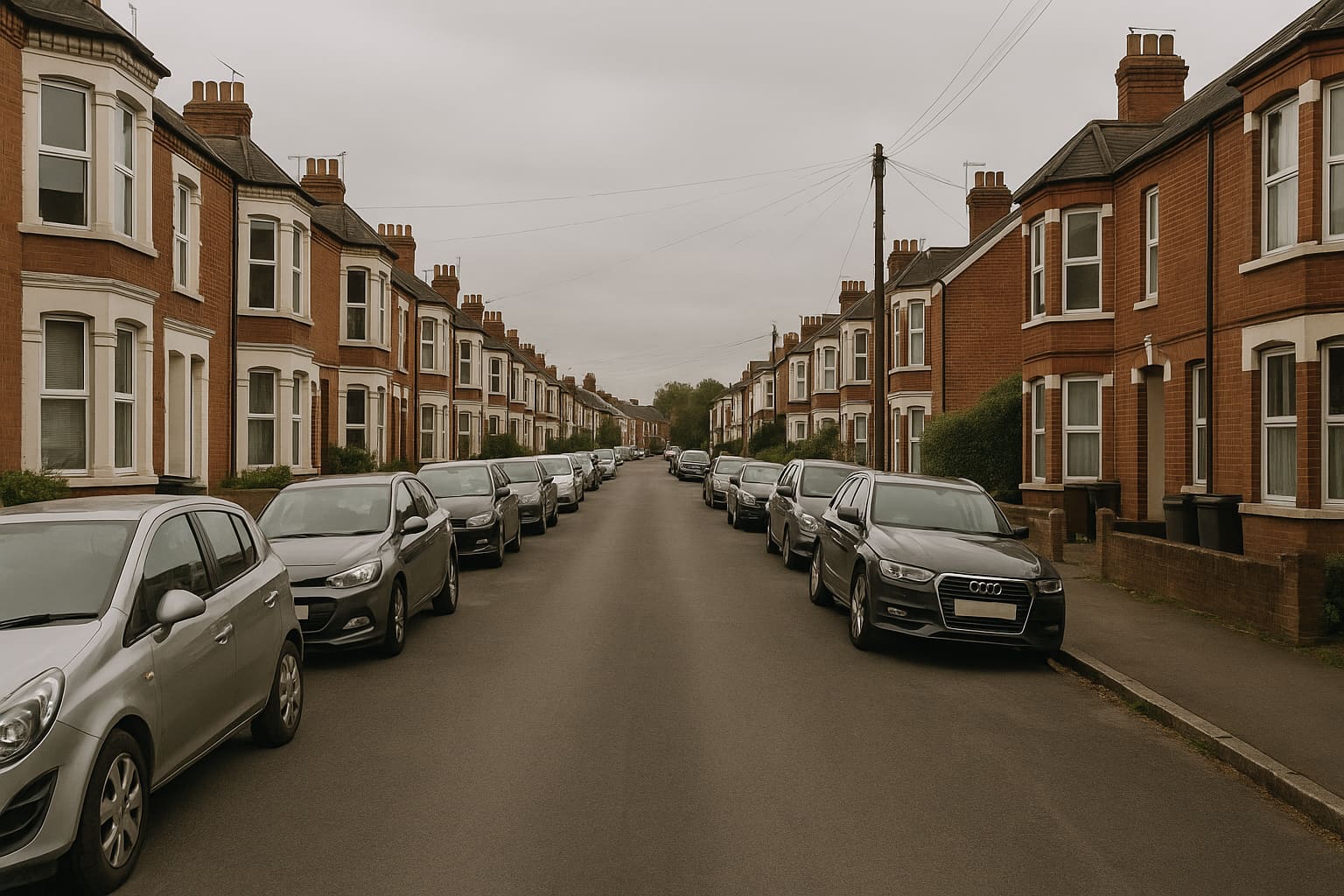
What matters operationally
Route predictability hinges on timing and access. Commuter peaks, school-run surges and event traffic reduce throughput on corridors like Exe Bridges, Alphington Road and Honiton Road, extending approach time and shrinking loading windows. Central streets can have bus gates, pedestrian-priority hours and strict loading windows; if a bay is unavailable the kerb-to-door carry increases and adds manual-handling time. Short, legal and predictable loading access usually saves more time than the fastest driving route on a map. The timing side of that is clearer in when Exeter moves tend to take longer.
How to plan around restrictions
Check live traffic and planned works the evening before and the morning of the move, then lock in an approach street plus a fallback route. Confirm any building loading bay, lift window and entrance constraints, and align arrival to those times. Verify timed bays and single-yellow hours at both ends, and stage trolleys near the door to shrink carry distance. No active clean-air or charge zone currently applies in Exeter, but city-centre loading windows and bus-gate rules still need checking. Add buffer between addresses so minor overruns do not cascade into peak periods. Those access constraints feed directly into how moving costs are shaped by access and time. That is especially visible in Exeter man and van. Comparable route constraints also appear in Exeter man and van.
Eight route-planning variables in Exeter
Traffic timing patterns
Morning and late-afternoon peaks, school-run periods and match or event days near St James Park or Sandy Park create queuing that extends approach time. Target early or mid-morning arrivals to avoid compressing loading windows.
Central access constraints
Pedestrian-priority streets and bus gates around the city centre limit access and can impose loading windows. One-way systems near High Street, Queen Street and Sidwell Street mean missed turns can force long loops, so pre-plan entry and exit.
Kerbside loading conditions
Timed bays, single-yellow restrictions and active enforcement make curb access the critical path. If the closest bay is taken, the longer kerb-to-door carry increases handling time and may require extra crew or shuttle tactics.
Building access limitations
Service lifts with booking windows, loading-bay height limits, narrow staircases and security sign-in rules tighten arrival timing. Align the van’s ETA to the access slot to avoid idle crew time and re-parking.
Route predictability and delays
Pinch points such as Exe Bridges, Alphington Road, Topsham Road and M5 junction approaches frequently build queues. A pre-chosen alternative river crossing or back-street approach preserves the schedule if the primary route slows.
Vehicle suitability and access
Narrow terraces in areas like Heavitree or St Thomas can restrict large-van manoeuvres. Choose a vehicle that can turn and stop safely near the door, or plan a short shuttle from a wider corner with dollies.
Parking and permit constraints
Resident-only zones require visitor permits or dispensations; without these, circling increases delay and risks distant parking. Secure permission in advance and coordinate with neighbours to hold the space.
How clean-air or charge-zone rules affect moves in Exeter
No active clean-air or charge zone currently applies in Exeter. Operationally, central access controls, timed loading bays and bus gates still shape route choice and arrival windows, so confirm city-centre loading times and keep a fallback approach. Vehicle suitability remains important: if a taller van cannot use a managed bay, plan for a shorter vehicle or a short shuttle to keep timing predictable.
Practical route-planning examples
Example 1: Flat off High Street: use an early loading window before retail activity, pre-stage trolleys, and pick a fallback bay on a parallel street to avoid a long carry if the primary bay is busy.
Example 2: Terrace in Heavitree: narrow street and resident permits mean arranging visitor permission, choosing a mid-size van for turning, and shuttling large items from the nearest corner if cars constrain access.
Example 3: Office to Southernhay: managed building requires a reserved loading bay and lift slot. Time arrival to the lift window and keep a secondary approach in case the primary route stalls near Exe Bridges.
Example 4: Student move near St James Park on match day: avoid stadium traffic by arriving well before gates open, route via less affected corridors, and target a side-street bay to maintain a short carry.
Example 5: Cross-city move from Topsham Road to Exwick: plan around morning peaks at key crossings, route via the quieter crossing if Exe Bridges slows, and stage the first load for immediate carry on arrival.
Practical route-planning checklist
- Pedestrian-priority or timed central streets → Arrive within the loading window and pre-stage dollies to shorten the kerb-to-door carry.
- Permit-only zones near the address → Arrange visitor permits in advance and mark the space with cones or neighbour coordination.
- Narrow terrace geometry → Select a shorter van or plan a corner shuttle, and brief the driver on turning and reversing limits.
- Event days or planned works on key corridors → Check city alerts, choose an alternate crossing and add a schedule buffer to protect later slots.
- Managed building access such as lift or bay bookings → Reserve the bay and lift, confirm height or weight limits, and align the ETA to the booked window.
Apply neighbourhood context
Street width, parking rules and timing pressures vary by neighbourhood, so align vehicle size, arrival window and loading strategy to local conditions.

