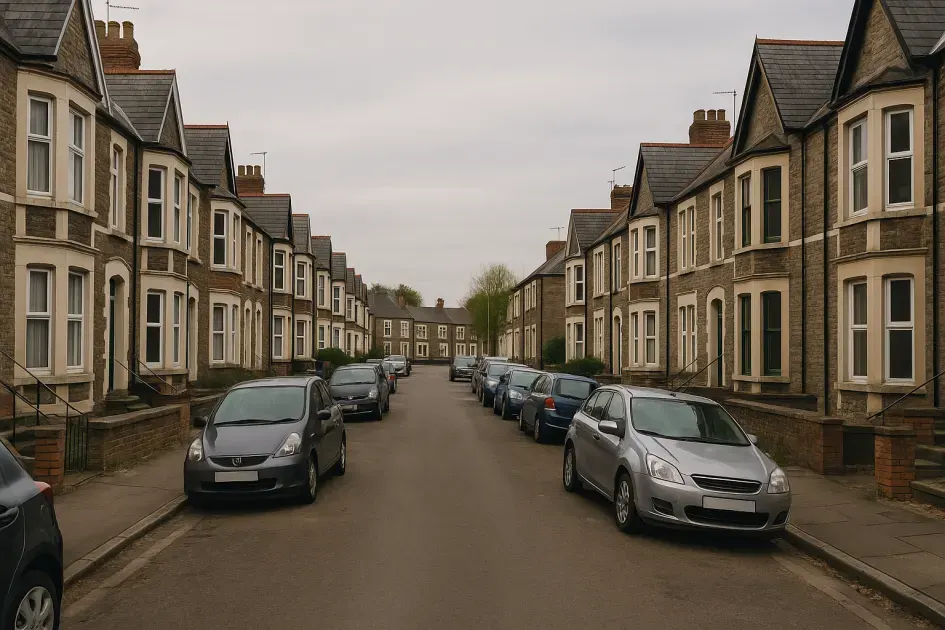
What tends to slow the handling route
The biggest friction in Roath usually sits between the room and the van. Victorian terraces, flat conversions and shared entrances Narrow halls, split flats, rear lanes and repeated stair carries are common friction points.
Key facts
- Most common issue: repeated stair or carry cycles.
- Typical property mix: Victorian terraces, flat conversions and shared entrances.
- External friction: Kerbside access can change quickly once resident parking, school traffic and through-movement build up.
- Best prep: flag any awkward turn, split level or shared entrance early.
On this page
How the property layout changes the job in Roath
On smaller moves, the layout matters because the same awkward route has to be worked over and over again. In Roath, Narrow halls, split flats, rear lanes and repeated stair carries are common friction points. When that is combined with a less practical stopping point, even a light load can take longer than expected.
That makes property detail one of the most useful things to share before booking.
What to mention before move day
Say whether there are steps, shared halls, narrow turns, longer paths, rear access or furniture that will be awkward to pivot. Those details help the job be planned at the right pace from the start.
For local man and van work, a clear picture of the handling route is often more valuable than an over-precise item count on its own.
Plan your move in Roath
Check the price and availability for your addresses, moving date and loading requirements. Book through Find My Man and Van; we allocate a suitable provider after booking.
Small local collection: £53.00 total — example for Cardiff.
1 × small van; Customer Loading/Unloading; 5 miles, 1.5 hours, ground-floor access. Modelled for 24 November 2026. Your quote depends on your actual move details and date.
Providers covering the Cardiff area
Local coverage is a guide, not a reservation of these providers. Explore local providers.