
What affects cost planning for moves in Cardiff
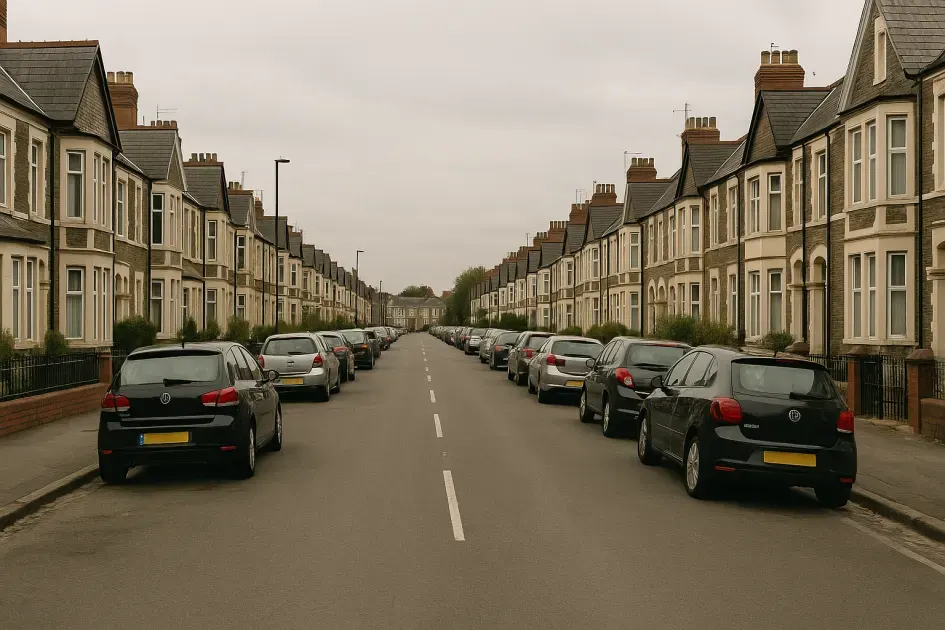
Moves cost more when handling takes longer than expected. In Cardiff’s terraces and mixed-density blocks, time increases when the van cannot park near the entrance, when items must travel up or down stairs, or when lifts and loading bays are limited or require bookings. Short journeys can still be time-heavy if the carry is long or the internal route is awkward. Scheduling pressure becomes clearer when viewed alongside Cardiff demand patterns at different times. Similar time pressures can also appear in man and van services in Cathays.
Distance within the city has less impact than handling time. Stairs, tight corridors, doorway width and the need to remove doors or protect common areas all add steps to each load cycle. Permit streets and timed bays can force the van to park farther away or move during the job, extending the schedule. Loading time usually outweighs driving time, which is why accurate access notes matter so much when pricing a move.
Traffic patterns matter for arrival reliability and for any multi-stop routing, but the biggest time gains usually come from good parking access and clear internal routes. Choosing the right van size and number of movers helps match capacity to constraints so fewer trips are needed within each property. Part of that broader picture comes from how route planning affects Cardiff moves.
What affects cost planning for moves in Cardiff
| Cost driver | What changes the time | Why it affects total cost |
|---|---|---|
| Parking access | Permit streets, distant bays, double-parking risk | Longer kerb-to-door carries and repositioning reduce loads per hour, increasing paid labour time. |
| Building layout | Stairs, narrow halls, lift availability and bookings | More handling steps and queues slow each item, extending loading and unloading cycles. |
| Van size / movers | Capacity and crew matched to load and access | Too small a van or too few movers means more trips and slower progress; well-matched teams save time. |
| Route timing | School-run or commuter congestion, roadworks | Delays compress loading windows or create waits, stretching the overall schedule and labour total. |
Typical move price patterns in Cardiff
Pricing scales with duration because labour time is the main component. A compact, ground-floor move with close parking can finish in a short session, while similar volume from a top-floor flat with a long carry may need a much longer window. Two moves covering the same distance can diverge widely in cost due to access and layout. That pattern is also reflected in how neighbourhood layout changes moving time.
| Move type | Typical time range | What affects duration |
|---|---|---|
| Single bulky item | Very short to short session | Lift access, door width, and distance from van to entrance determine handling speed. |
| Room or studio move | Short session to half-day | Stairs, parking proximity, and number of boxed items versus loose items shape throughput. |
| 1-bed flat | Half-day to extended half-day | Lift bookings, corridor width, and carry distance add or save minutes on each cycle. |
| 2–3 bed home | Extended half-day to full day | Narrow streets, long drives or gardens, and dismantling or reassembly influence total handling time. |
Cost examples by move type
Example 1: Small ground-floor move with close parking
A few furniture pieces and boxes from a ground-floor flat with the van parked outside. Short carry and clear doorway keep load cycles quick, limiting paid hours.
Example 2: Small move with permit parking
Similar volume, but the street requires a visitor permit and the nearest legal bay is down the road. Each trip takes longer, adding handling time and increasing the labour total.
Example 3: 1-bed flat between apartments with lift booking
Both buildings have lifts but require scheduled slots. Waiting for the lift or sharing with other residents slows cycles. Time extends if the slot is missed, raising costs.
Example 4: 2-bed terrace with narrow street and long carry
A van can enter the street but must park away from the door because parking is tight. The crew walks farther and navigates stairs, reducing loads per hour and extending the schedule.
Example 5: Large flat with loading bay and school-run congestion
A managed block needs a loading bay booking and protective materials for communal areas. Arrival must avoid school-run traffic. Any wait at the bay or lift queue adds idle time, increasing hours.
How to keep the move efficient
- Permit or controlled parking → Arrange permits or a visitor pass in advance and reserve the closest legal bay to cut carry distance.
- Long kerb-to-door carry → Stage items near the entrance and keep a clear path to reduce walking time per load cycle.
- Stairs or shared lifts → Book lift slots where required and stagger box weights so the team can maintain a steadier throughput.
- Tight corridors and doors → Measure large items, remove legs or doors beforehand, and protect corners to avoid slow manoeuvres.
- Bulky furniture assembly → Dismantle beds and tables in advance, bag fixings, and label parts to speed reassembly.
- Traffic timing → Avoid school-run and peak commuting windows to reduce arrival variability and protect loading slots.
- Item grouping and labelling → Group boxes by room and mark fragility so the crew can load efficiently and stack safely in the van.
Local conditions vary across Cardiff. High-density blocks, terraces with permit schemes, and mixed-use areas with loading bays create different parking layouts and access times. Check local rules and plan for the specific street and building setup at each end.
We provide man and van services across the wider area, including man and van services in Birchgrove, man and van services in Bridgend, man and van services in Caerphilly, and man and van services in Dinas Powis, with bookings managed through one system coordinating bookings with pre-checked drivers.