
What matters operationally
Route predictability comes from choosing approaches that avoid bus gates, timed streets and tighter cut-throughs that trap larger vans. Traffic timing in Cardiff is shaped by commuter peaks, school runs and stadium or arena events that compress arrival windows and slow approaches. Loading access depends on whether you can use a signed loading bay, secure a short kerb-to-door carry and coordinate with building controls like docks and goods lifts. These factors combine to increase or reduce total moving duration, so sequencing the loading order and aligning arrival with permitted kerbside use are critical. The timing side of that is explored further in when Cardiff moves tend to take longer. That is visible in areas such as man and van services in Cardiff Bay.
How to plan around restrictions
Check route timing against known pinch points, confirm any loading-bay times at origin and destination, and coordinate building access so the lift or dock is ready when the van arrives. Include a buffer for city-centre delays and choose an approach that avoids restricted turns or pedestrianised hours. Use local signage and council pages to confirm access rules, verify service windows on central streets, and identify a fallback loading point in case a bay is occupied.
Eight route-planning variables in Cardiff
Traffic timing patterns
Peak-hour flows on the A48, A4232 and routes into the centre slow approaches and reduce loading flexibility. On event days, rolling closures and diversions create longer approach legs, so quieter windows protect your unloading slot.
Central access constraints
Pedestrian-priority streets and bus-only corridors limit where a van can stop and when. If the frontage is restricted, plan a legal loading bay nearby and accept a slightly longer carry rather than losing time to last-minute circling.
Kerbside loading conditions
Signed loading bays typically allow short stops during set hours, while outside those times waiting may be restricted. Align arrival to the permitted window, pre-stage items indoors and use dollies to compress the kerb-to-door time.
Building access limitations
Concierge sign-in, goods-lift bookings, height-limited car parks and managed docks all create fixed slots. If the lift is shared, move larger items first during the booking and keep boxed items ready to follow without delay.
Route predictability and delays
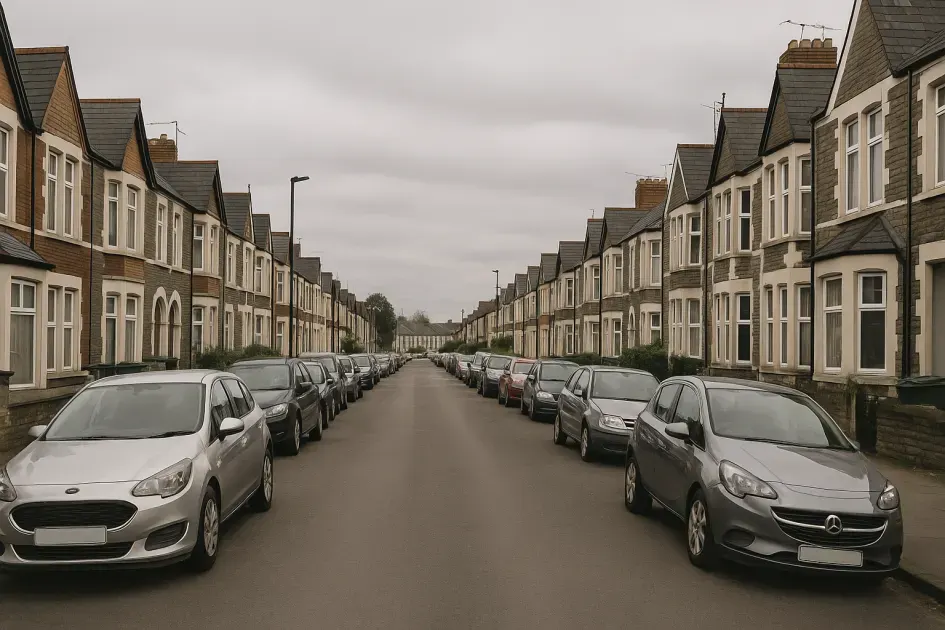
Rat-runs through narrower terraces may look shorter but often create reversals and blockages for longer vans. Favour predictable trunk roads and known turning space over the shortest map time.
Vehicle suitability and access
Height and length determine which streets, bays and car parks you can use. Select a vehicle that fits the approach and the building limits, or plan a street-level bay with a manageable shuttle if needed.
Parking and permit constraints
Residential zones near the centre often require permits or suspensions. Arrange visitor permits where allowed, or request a bay suspension in advance so the van can work directly outside and reduce carry distance.
How clean-air or charge-zone rules affect moves in Cardiff
No active clean-air or charge zone currently applies in Cardiff. Central moves are still shaped by timed loading bays, pedestrian-priority areas and bus gates, so choose approaches that respect these controls, keep a fallback loading point ready, and allow buffer time to prevent schedule overrun.
Practical route-planning examples
Example 1: Terrace house in Canton to an apartment near the centre. Confirm a morning loading bay at the destination, route via the A4232 to avoid inner loops, and stage heavier items first to use the bay window efficiently.
Example 2: Student flat in Cathays to Roath on a weekday. Narrow streets and permit parking limit kerbside time, so secure a visitor permit or identify a legal loading-only bay and use dollies for the longer kerb-to-door carry. One practical example appears in man and van services in Cathays.
Example 3: Office move near St David’s. Managed building access requires a dock slot and goods-lift booking; align arrival to the lift window and hold a secondary route if a city-centre lane closure is posted that morning.
Example 4: City-centre apartment to Grangetown on a rugby match day. Check event closures, approach from the side away from the stadium, add a buffer to the schedule and pre-agree a side-street loading point if the primary bay is occupied.
Example 5: Cardiff Bay high-rise with height-bar dock. Swap to a lower-height van, pre-measure furniture against lift capacity, and split loads so the van cycles within the booked dock window without overruns.
Practical route-planning checklist
- Timed loading bays → Match arrival to bay hours and prioritise bulky items during the permitted window.
- Residential permit streets → Arrange visitor permits or bay suspensions so the van can stop at the door.
- Narrow streets and tight turns → Choose a shorter wheelbase van or a different approach road to avoid lengthy reversals.
- Managed docks and goods lifts → Pre-book slots and assign a runner to keep the lift continuously loaded.
- Event-day road changes → Check council and venue notices and set a signed fallback loading point plus buffer time.
Apply neighbourhood context
Street layouts and loading rules vary across Cardiff, so confirm bay times, carry distances and turning space for your specific neighbourhood before finalising routes.
We provide man and van services across the wider area, including man and van services in Caerphilly, man and van services in Dinas Powis, man and van services in Ely, and man and van services in Llandaff, with bookings managed through one system coordinating bookings with pre-checked drivers.