South Liverpool is a patchwork of Victorian terraces, converted flats, leafy semi‑detached streets and pockets of post‑war and new build development. That variety is why seemingly small access details that are unique to this area turn into real operational costs for removals — not vague warnings, but concrete impacts on time, labour and fees.
Use South Liverpool removals service first for the core service page when you want the clearest route from cost checks to booking.
For a broader regional view, see moving costs in Liverpool.
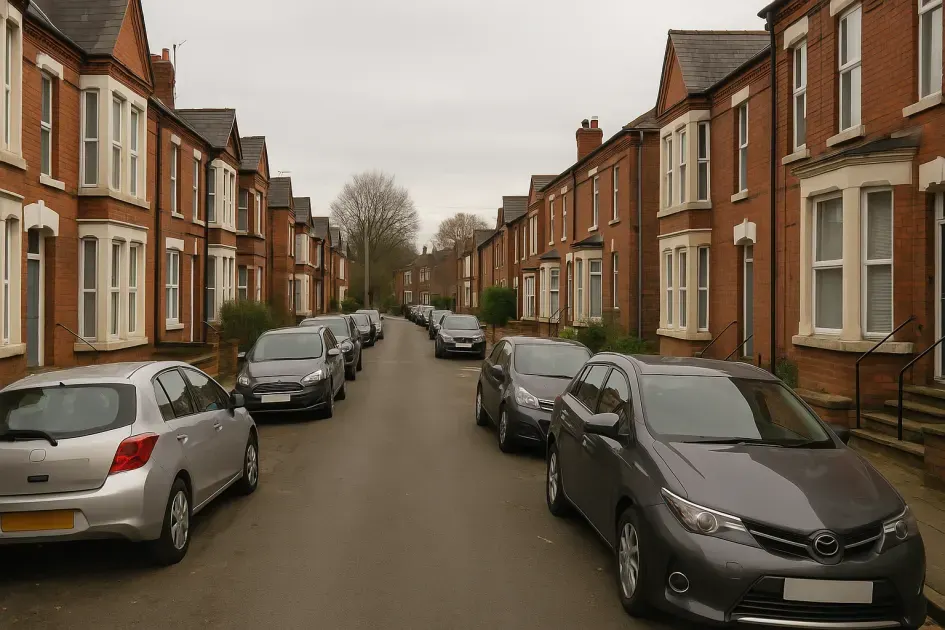
Terraced rows in Toxteth and Dingle: narrow doorways and tight stairwells slow every item, increasing handling time and the need for extra crew. Converted flats above Lark Lane shops or apartment blocks near the docks often lack lifts or have small service lifts unsuitable for large furniture, creating long carries. Semi‑detached houses in Allerton and Woolton usually have gardens or driveways that help, but may still sit on streets with parking restrictions. New builds on the fringes of Speke and Garston can be deceptively time‑sensitive — gated estates or narrow access roads require pre‑booked entry times, and failure to book can mean waiting or rebooking charges.
Removal teams operate to a schedule. In South Liverpool, a single blocked loading bay on Aigburth Road or a narrow terraced street in Toxteth can add 30–90 minutes for each large item moved. Firms recover that time through waiting or extra‑hour charges. Practically, this means a three‑hour delay caused by access problems can convert to an extra labour‑hour charge per operative on site, and the cost stacks quickly.
In practice, this usually connects with To spot where extra costs usually appear before booking, look at moving costs in South Liverpool and property access challenges in South Liverpool as well..
Many streets in South Liverpool have resident permit zones, restricted parking times or council managed loading bays. Parking a removal vehicle without checking restrictions can lead to fines or even clamping — both immediate costs and delays while the crew deals with enforcement. For moves on narrow streets, the alternative of parking legally further away increases carry distance and labour time; both options have cost consequences. See the local removals overview at South Liverpool removals service for typical street types and common parking constraints.
Many South Liverpool conversions place front doors well back from legal kerbside space, or require equipment to be wheeled across busy pavements. Long carries — for example from a van parked on Queens Drive to an upper‑floor flat off a narrow alley — require more time, more staff rotations, and extra protective materials to avoid damage to communal areas. Operationally this increases the number of van hours on the job and the billed labour, not just the physical effort.
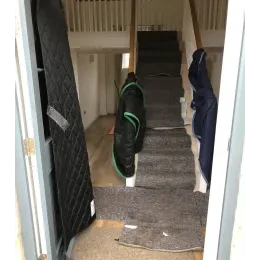
Steep, tight staircases in older terraces and narrow corridor layouts inside converted flats frequently necessitate an additional operative for safe handling. Large wardrobes, pianos or heavy appliances that cannot be awkwardly angled through landings add to that need. On a practical level in South Liverpool, moving out of a Toxteth terrace with multiple flights can double the time per bulky item compared with a ground‑floor semi, and that increased time is charged as additional labour or extended booking time.
South Liverpool’s road patterns funnel traffic onto a handful of routes; morning congestion and peak outbound flows can turn a short drive into a long one. Football fixtures, markets and local events (for example on Lark Lane) reduce available parking and loading windows. If a crew is delayed en route, the immediate cost is time; the downstream cost is potential rebooking of the remainder of the move, overtime charges, or cancellation penalties if the crew cannot complete the job that day.
When access issues cause an overrun, removals teams may need to finish the job the next available day. Rebooking carries both direct fees and indirect costs: additional labour, van return trips, and the logistical complexity of synchronising elevator booking windows or estate entry permits. In South Liverpool, where some estates require set delivery times or security checks, a missed slot can force a full rebook rather than a short extension — substantially raising the final bill.
Factor in the local realities of South Liverpool — terraced staircases in Toxteth, long carries from Lark Lane flats, parking controls around Allerton and gated new builds in Speke — when you estimate time and budget. For details about typical cost drivers and how they affect price calculations, see the broader guidance on moving costs at moving costs in Liverpool and the area page at moving costs in South Liverpool. These links help translate the specific, street‑level factors described above into likely impacts on time and cost.
Practical answers focused on how South Liverpool’s streets, property mix and parking rules create specific extra costs during removals.
Crews book a timed slot. In South Liverpool areas such as Toxteth and Dingle, narrow loading points and stair‑heavy Victorian terraces can double loading time. When a team is delayed by access or traffic, firms typically charge hourly or half‑hourly waiting rates to cover crew wages and the lost slot — this can add several labour hours to your invoice if the job overruns.
Many streets in Allerton, Lark Lane and around Aigburth Road have resident parking zones, single yellow lines with time limits, or loading bay restrictions. If you park without permission you risk council enforcement and a penalty, and in some cases the crew may need to circle looking for legal parking — increasing time and cost. Securing a short‑term loading permit from Liverpool City Council or arranging private off‑street parking reduces those risks.
Flats above shops on Lark Lane or converted warehouses in the Baltic Triangle often have limited kerbside space. A long carry (50m+ across narrow pavements or through alleyways) slows the team and requires protective kit, more crew or additional breaks for manual handling. Suppliers typically charge for extra labour time and equipment — expect higher costs than a ground‑floor or drive‑fronted move.
Yes. Many terraced homes in Toxteth and Dingle have steep, narrow staircases; older semi‑detached properties in Woolton and Allerton may have multiple flights. Removals for homes without a lift mean slower, more labour‑intensive carries and sometimes an extra team member for safety. That extra manpower is billed as additional labour or by the hour.
South Liverpool sees morning commuter flows on Queens Drive and congestion leaving the city at peak times. Restricted access roads near industrial estates in Garston and scheduled events (markets, football fixtures) can also block planned routes. Delays push vehicles over booked hours and may cause the crew to reassign jobs, triggering rebooking fees or premium charges to finish the move later in the day.
Absolutely. When the internal path is longer than expected, every trip takes more time, and moving jobs are made of many repeated trips. The arithmetic becomes rude very quickly.